 1 / 5
1 / 5 4 daysprivate
4-Day Bwindi Impenetrable NP, L Bunyonyi & Volcanoes NP
Highlights
- Golden monkeys
Loading SafariFind...
1 / 5Kigali - Transfer to Bwindi Impenetrable NP
Bwindi Impenetrable Forest
Meals: Dinner
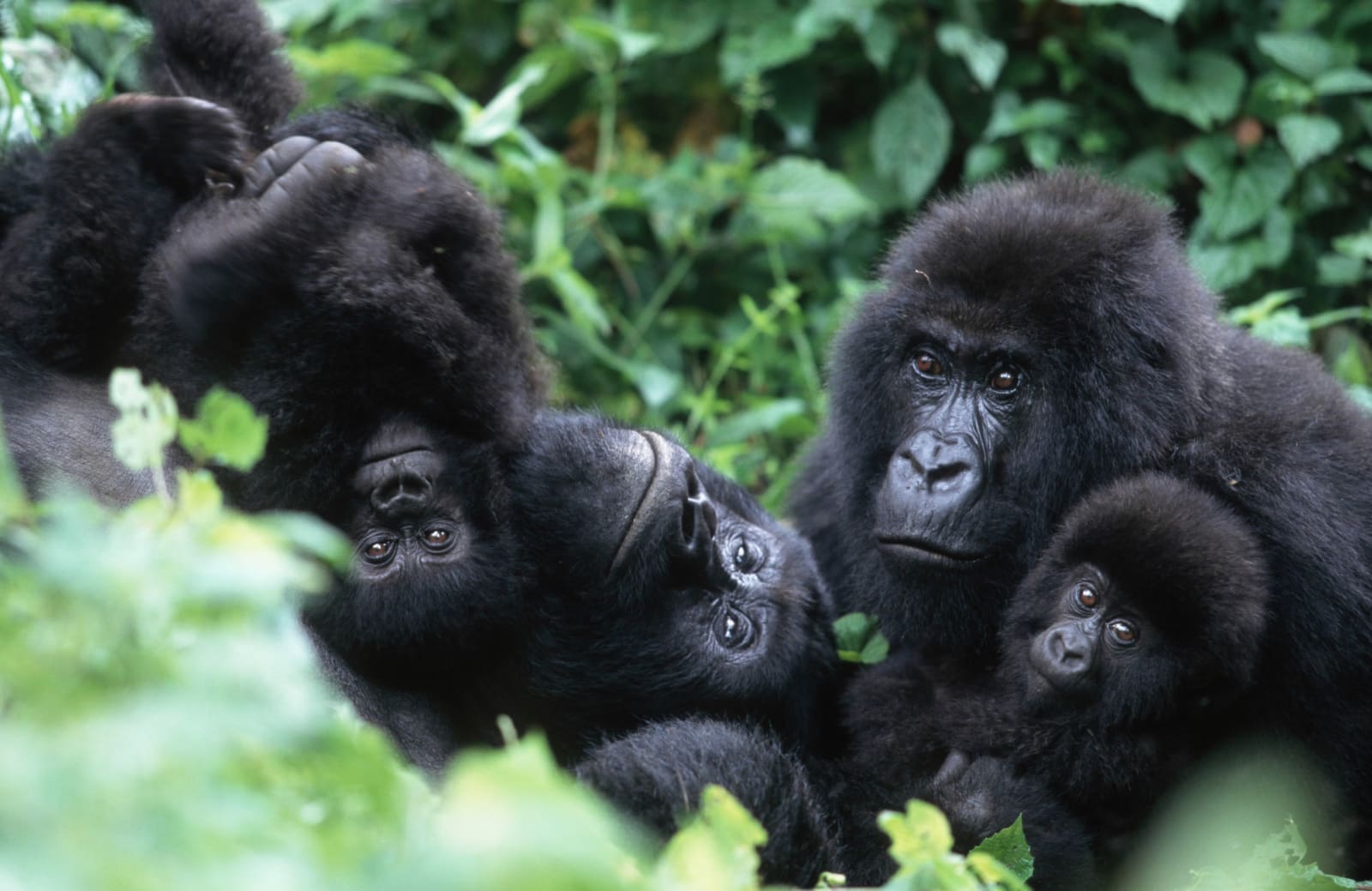
Gorilla Trekking in Bwindi – Transfer to Lake Bunyonyi
Lake Bunyonyi
Meals: Breakfast, Lunch, Dinner
Lake Bunyonyi – Transfer to Volcanoes NP (Rwanda)
Meals: Breakfast, Lunch, Dinner
Golden Monkey Tracking – Kigali International Airport
Volcanoes National Park
Meals: Breakfast
Year Round
Year-round
| Season | Solo traveler | 2 people | 3 – 4 people | 5 – 6 people | 7+ people | Child rate | Single suppl. |
|---|---|---|---|---|---|---|---|
Year Round Year-round | $3,810 | $2,540 | $2,290 | $2,160 | $2,030 | $2,540 | $760 |
Child rate applies to travelers under 12 years. Single supplement applies to solo travelers taking their own room.
Mountain gorilla trekking in Bwindi Impenetrable Forest is one of Africa's most extraordinary wildlife experiences. Visitors hike through dense, misty forests with a professional guide to locate and observe these magnificent primates in their natural habitat. The trek typically lasts 2-7 hours depending on gorilla location, and you'll spend approximately one hour observing a family group from a safe distance. The experience is physically demanding but profoundly rewarding, offering intimate encounters with these endangered creatures. Bwindi is home to nearly half of the world's remaining mountain gorillas, making it one of the most reliable places to see them. The forest's biodiversity means you may also encounter other wildlife and bird species during your trek.
Yes, Volcanoes National Park in Rwanda is one of the few places in the world where you can trek golden monkeys in their natural habitat. These rare, endemic primates are found only in the Virunga Mountains, which span Rwanda, Uganda, and the Democratic Republic of Congo. Golden monkey trekking offers a unique alternative to gorilla trekking, with treks typically lasting 2-4 hours through montane forests. The monkeys are more active and playful than their larger cousins, providing excellent photography opportunities. The experience is less strenuous than gorilla trekking and offers a different perspective on primate conservation in the region.
Lake Bunyonyi is one of Uganda's most picturesque destinations, known for its stunning scenery, calm waters, and peaceful atmosphere. The lake is dotted with 29 islands and surrounded by rolling hills, making it ideal for relaxation after more active safari experiences. Activities at Lake Bunyonyi include boat cruises, swimming, bird watching, and visiting local communities on the islands. The lake is also historically significant as a refuge during Rwanda's genocide. The tranquil shores provide perfect opportunities for rest, reflection, and cultural immersion with local Batwa communities. The cool climate and serene environment make it an excellent counterbalance to the more intense trekking experiences.
While Volcanoes National Park is famous for mountain gorillas, the park hosts diverse wildlife and over 178 bird species. Besides gorillas, you can encounter golden monkeys, buffalo, forest elephants, duikers, and various bird species including the Rwandan turaco and Malachite kingfisher. The park's five volcanic peaks create distinct ecosystems, each supporting different flora and fauna. Birdwatchers particularly enjoy the rich avian diversity. The montane forest environment is also home to numerous endemic species found nowhere else on Earth. The combination of wildlife trekking and scenic volcanic landscapes makes the park a comprehensive nature experience.
Gorilla trekking in Bwindi is moderately to highly physically demanding, depending on where the gorilla families are located on any given day. Treks involve hiking through dense, misty forest terrain at high altitude (ranging from 1,160 to 2,607 meters), which can be challenging for those unaccustomed to elevation. The hike typically lasts 2-7 hours with steep, muddy, and slippery paths. However, guides adjust the pace to individual fitness levels, and porters are available to assist. Good physical fitness, proper hiking boots, and acclimatization help significantly. The experience is rewarding for most people willing to put in the effort, though those with serious mobility issues should consult with their doctor beforehand. The payoff—spending time with these magnificent creatures—is considered worth the physical challenge by most visitors.
For a combined Rwanda and Uganda safari, pack layered clothing since you'll experience varying altitudes and climates. Essential items include: waterproof jacket and rain gear (both countries have year-round rainfall), sturdy waterproof hiking boots, warm layers for early mornings and high-altitude areas, neutral-colored clothing for wildlife viewing, sun protection (hat, sunscreen, sunglasses), binoculars for bird watching, and a good camera. Bring insect repellent, basic medications, and toiletries. For gorilla and golden monkey trekking, wear long sleeves and pants to protect from vegetation. Pack a small daypack for treks. Comfortable casual clothes are suitable for relaxation at Lake Bunyonyi. Consider bringing a lightweight sweater for evenings, as temperatures can drop, especially at higher elevations. Don't forget any prescription medications and a basic first-aid kit.
The best times for gorilla trekking in both Rwanda and Uganda are during the dry seasons: June to August and December to February. These periods offer the most stable weather, making hiking conditions easier and visibility better for wildlife viewing. The long dry season (June-August) is particularly popular but also busier and more expensive. The short dry season (December-February) offers equally good conditions with fewer tourists. The rainy seasons (March-May and September-November) are less ideal for trekking due to muddy trails and reduced visibility, though gorilla permits are cheaper and fewer visitors are present. Year-round trekking is possible, but the dry seasons provide the most comfortable experience. It's worth noting that both countries have relatively consistent temperatures throughout the year, with elevation being the primary factor affecting weather conditions.
Visa requirements for Rwanda and Uganda depend on your nationality. Most visitors require visas for both countries, though some nationalities enjoy visa-free or visa-on-arrival privileges. Rwanda offers e-visas and visas on arrival for many nationalities, making entry straightforward. Uganda also provides visas on arrival and e-visa services. It's essential to check the official immigration websites for both countries well before your trip to determine your specific requirements. Processing times vary, so apply early if you need visas in advance. Ensure your passport has at least six months of validity remaining. Some travelers prefer obtaining visas before departure for peace of mind, while others arrange them upon arrival. Consult your country's embassy or official government immigration portals for the most current visa information.
Before traveling to Rwanda and Uganda, consult with a travel health clinic or your doctor at least 4-6 weeks before departure. Commonly recommended vaccinations include yellow fever (required for entry to Uganda and recommended for Rwanda), typhoid, hepatitis A and B, and tetanus. Malaria prophylaxis is typically recommended, particularly for lower-altitude areas like Lake Bunyonyi, though Bwindi and Volcanoes National Park at higher elevations have lower malaria risk. Some travelers also consider vaccinations for Japanese encephalitis depending on their itinerary. Health requirements and recommendations can change, so check current CDC or WHO guidelines and your country's travel health advisories. Travel insurance that covers medical evacuation is highly recommended. Discuss your specific itinerary with a healthcare provider to determine which vaccinations and prophylaxis are most appropriate for you.
Gorilla trekking permits are the primary cost driver for Rwanda and Uganda safaris. A permit for mountain gorilla trekking in Bwindi, Uganda costs $600 USD per person, while golden monkey or mountain gorilla permits in Volcanoes National Park, Rwanda cost $250 USD per person. Beyond permits, a comprehensive safari package typically includes accommodation, meals, professional guides, transportation, and park entrance fees. When booking through tour operators, prices vary based on lodge quality, group size, and season, generally ranging from $2,500 to $5,000+ for a 4-day trip. Budget accommodations offer basic comfort, while luxury lodges provide high-end amenities. Additional costs to budget separately include international flights, travel insurance, visa fees, tips for guides and staff, alcoholic beverages, and optional activities. The investment is substantial but widely considered worthwhile for this once-in-a-lifetime experience. Comparing package inclusions carefully helps ensure you understand what's covered and what additional costs to expect.
© 2026 SafariFind. All rights reserved.
