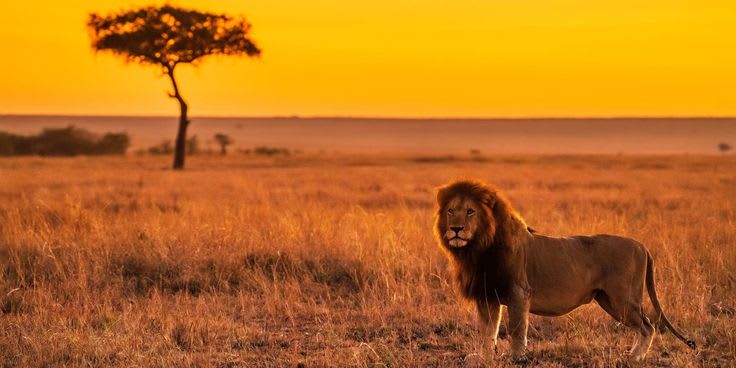
 1 / 3
1 / 3 4 daysprivate
4-Day Highlights of Kenya
Highlights
- Spot the Big Five and a variety of wildlife in their natural habitat.
- Enjoy exciting game drives across the vast African savannah.
Loading SafariFind...
1 / 3Arrival Nairobi
Nairobi
Nairobi - Masai Mara
Masai Mara National Reserve
Meals: Breakfast, Lunch, Dinner
Masai Mara
Masai Mara National Reserve
Meals: Breakfast, Lunch, Dinner
Masai Mara - Nairobi Departure
Jomo Kenyatta International Airport
Meals: Breakfast
Year Round
Year-round
| Season | Solo traveler | 2 people | 3 – 4 people | 5 – 6 people | 7+ people | Child rate | Single suppl. |
|---|---|---|---|---|---|---|---|
Year Round Year-round | $1,880 | $1,250 | $1,130 | $1,070 | $1,000 | $880 | $380 |
Child rate applies to travelers under 12 years. Single supplement applies to solo travelers taking their own room.
The Masai Mara is home to an incredible diversity of African wildlife, including the Big Five—lions, elephants, buffalo, leopards, and rhinoceros. You'll also encounter zebras, giraffes, wildebeest, hyenas, cheetahs, and numerous bird species across the vast savannahs. The reserve's ecosystem supports over 450 species of birds and 95 species of mammals, making it one of the world's premier wildlife viewing destinations. Game drives are conducted by professional guides who know the best locations and behaviors of these animals, increasing your chances of memorable sightings.
A 4-day safari is an ideal length for experiencing Kenya's highlights without requiring an extended time commitment. This duration allows you to spend a night in Nairobi to acclimatize and explore the capital, followed by two full days of game drives in the Masai Mara—enough time to witness diverse wildlife and experience authentic safari moments. While longer safaris offer more extensive exploration, a 4-day itinerary provides an excellent balance between wildlife viewing opportunities and practical travel logistics, making it perfect for travelers with limited vacation time.
The Masai Mara can be visited year-round, but the best times for wildlife viewing depend on what you want to experience. The dry seasons—June to October and January to February—offer the best game viewing because animals congregate around water sources, making them easier to spot. July to October is particularly spectacular as it coincides with the Great Migration, when massive herds of wildebeest and zebras move through the reserve. The rainy seasons (March to May and November to December) see fewer tourists and lush landscapes, though some roads may be challenging. Consider your preferences for wildlife density versus solitude when planning your visit.
Pack neutral-colored, lightweight clothing in earth tones (khaki, tan, olive, brown) that blend into the landscape and don't disturb wildlife. Bring layers for early morning and evening game drives when temperatures drop, along with a warm fleece or jacket. Essential items include a wide-brimmed hat, high-SPF sunscreen, sunglasses, and comfortable walking shoes or boots. Don't forget binoculars for wildlife spotting, a camera with extra batteries and memory cards, and any personal medications. A small daypack is useful for carrying water and snacks during drives. While Nairobi is more urban, comfortable casual clothing works fine for exploring the city. Check with your operator for any specific recommendations based on the season of your visit.
Yes, a 4-day Kenya safari is excellent for first-time safari visitors. The itinerary is thoughtfully designed to ease you into the experience—you'll have a night in Nairobi to recover from travel and adjust to the environment, then transition to the Masai Mara where two full days of professional-guided game drives provide ample opportunity to see the Big Five and other iconic African wildlife. Professional driver-guides handle all navigation and wildlife spotting, allowing you to relax and absorb the experience. The duration is long enough to feel immersive without being overwhelming, and you'll return home with authentic safari memories and a solid understanding of African ecosystems. This length also minimizes jet lag impact while maximizing wildlife viewing opportunities.
Visa requirements for Kenya depend on your nationality. Many countries' citizens can obtain a visa on arrival or apply for an e-visa online through the Kenyan immigration portal before travel, which is convenient and typically costs around $50 USD. Some nationalities enjoy visa-free entry for short stays. It's essential to check the current requirements with the Kenyan embassy or consulate in your country or visit the official Kenya immigration website well before your travel dates, as regulations can change. Ensure your passport is valid for at least six months beyond your travel dates. Additionally, you may need proof of yellow fever vaccination depending on where you're traveling from, so consult your healthcare provider about recommended vaccinations for Kenya.
Most Kenya safari packages include meals as specified in the day-by-day itinerary, typically covering breakfast, lunch, and dinner during your time at safari lodges and camps. Meals are usually prepared on-site and feature a mix of international and local Kenyan cuisine. In Nairobi, meals may be included at your accommodation or you may have the flexibility to explore the city's diverse dining scene. It's important to note that beverages—including water, soft drinks, alcohol, and hot beverages—are typically not included and should be budgeted separately. Check your specific package details for which meals are covered each day. If you have dietary restrictions or preferences, inform your operator in advance so they can make appropriate arrangements.
Tipping is an important part of the safari experience in Kenya and is greatly appreciated by your professional guide and support staff. A standard guideline is approximately $10 USD per person per day, though you can adjust based on the quality of service and your satisfaction. This typically covers your driver-guide and lodge staff. Tips are usually given in cash (USD or Kenyan Shillings) at the end of your safari. While not mandatory, tipping is customary in the tourism industry and directly impacts the livelihoods of those providing your service. If you're traveling as a group, you might pool resources for guides and drivers. Always carry small bills for convenient tipping throughout your journey.
A comprehensive Kenya safari package typically includes park entrance fees for non-residents, all game drives and activities with a professional driver-guide, accommodation at selected lodges, all ground transportation between locations, roundtrip airport transfers, meals as specified in your itinerary, and all applicable taxes and VAT. Your professional guide handles wildlife spotting and provides expert commentary on the ecosystem, wildlife behavior, and local culture. However, certain items are usually excluded: international flights, additional accommodation before or after the tour, beverages and drinks, personal items like souvenirs and travel insurance, visa fees, and gratuities. Some meals may also be excluded depending on your itinerary. Always review your specific package details to understand exactly what's covered and what requires separate payment.
Game drives in the Masai Mara are conducted in open-sided safari vehicles with experienced professional guides who possess extensive knowledge of wildlife behavior, ecology, and the best viewing locations. Drives typically occur during early morning and late afternoon when wildlife is most active and temperatures are cooler. Your guide will navigate the reserve's network of tracks, using radio communication with other guides to locate recent animal sightings. The vehicles are designed for optimal wildlife viewing with elevated seating and 360-degree visibility. Drives usually last 3-4 hours and can be customized based on your interests—whether you prefer big predator sightings, bird watching, or landscape photography. Your guide will explain animal behavior, ecological relationships, and conservation efforts, transforming the experience into an educational adventure while maintaining respectful distances from wildlife.
© 2026 SafariFind. All rights reserved.
