 1 / 5
1 / 5 4 daysshared
4-Day Join Group Tarangire Serengeti & Ngorongoro
Highlights
- Big five game drive
Loading SafariFind...
1 / 5Kilimanjaro Airport to Arusha
Arusha
Meals: Dinner
Arusha Town to Serengeti National Park
Serengeti National Park
Meals: Breakfast, Lunch, Dinner
Serengeti National Park to Ngorongoro Crater
Ngorongoro
Meals: Breakfast, Lunch, Dinner
Ngorongoro Crater game drive Then Back to Arusha
Arusha
Meals: Breakfast, Lunch
Year Round
Year-round
| Season | Solo traveler | 2 people | 3 – 4 people | 5 – 6 people | 7+ people | Child rate | Single suppl. |
|---|---|---|---|---|---|---|---|
Year Round Year-round | $1,070 | $720 | $640 | $610 | $570 | $500 | $210 |
Child rate applies to travelers under 12 years. Single supplement applies to solo travelers taking their own room.
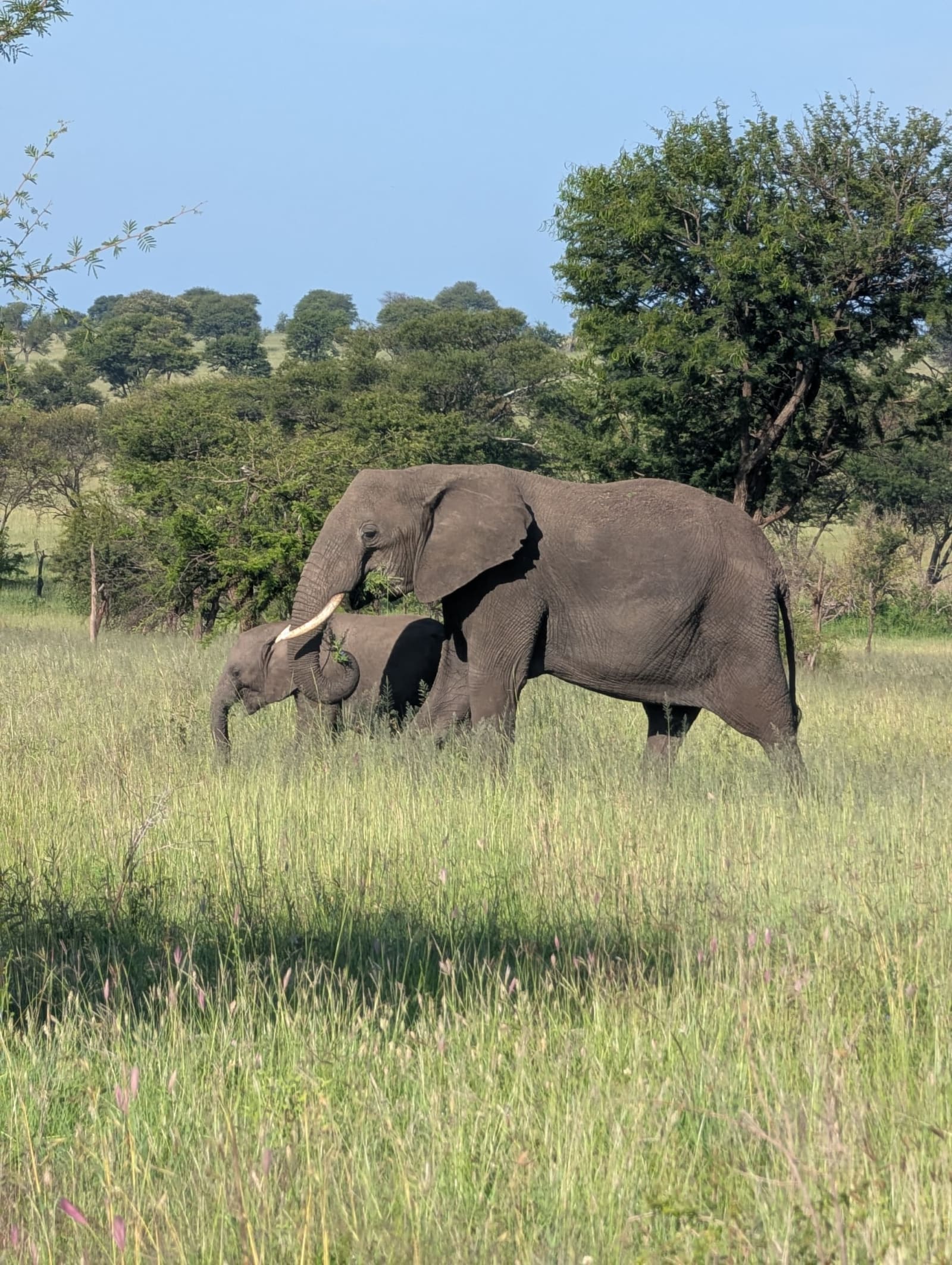
The Serengeti is home to an incredible diversity of wildlife, including the famous Big Five (lions, elephants, buffalo, leopards, and rhinoceros), as well as zebras, wildebeest, giraffes, cheetahs, hyenas, and numerous bird species. The park is particularly renowned for the annual wildebeest migration, where millions of animals move across the plains in search of fresh grazing. The specific animals you'll encounter depend on the season and which areas of the park you visit, but the Serengeti consistently offers some of Africa's best wildlife viewing opportunities.
Absolutely. The Ngorongoro Crater, often called Africa's Eden and recognized as the 8th Natural Wonder of the World, is one of Tanzania's most spectacular destinations. This massive volcanic caldera is a self-contained ecosystem that supports an impressive concentration of wildlife, including lions, elephants, zebras, and flamingos. The crater's unique geography creates ideal viewing conditions, and the stunning scenery combined with abundant wildlife makes it an essential stop on any Tanzania safari itinerary.
For a Tanzania safari, pack lightweight, neutral-colored clothing in layers since temperatures vary between day and night. Essentials include a wide-brimmed hat, sunscreen, sunglasses, and comfortable walking shoes. Bring binoculars for wildlife viewing and a camera with extra batteries and memory cards. Other important items include insect repellent, a light jacket for early morning game drives, toiletries, and any personal medications. While bottled water is provided during game drives, consider bringing a refillable water bottle. Avoid bright colors and patterns that might disturb wildlife. Check weather forecasts for your specific travel dates, as Tanzania's climate varies by season.
A 4-day safari is an ideal duration for experiencing Tanzania's major highlights, including the Serengeti and Ngorongoro Crater. This timeframe allows you to spend meaningful time in each destination with multiple game drives to maximize wildlife viewing opportunities. However, Tanzania safaris can range from 3 to 7+ days depending on your interests and budget. A 4-day itinerary provides a good balance between experiencing the best attractions and managing travel fatigue, though longer safaris allow for deeper exploration and increased chances of encountering specific wildlife.
The best time to visit Tanzania's Serengeti and Ngorongoro depends on what you want to experience. The dry season (June to October) offers excellent wildlife viewing as animals congregate around water sources, and the Great Migration typically moves through the Serengeti during July and August. The wet season (November to May) features lush landscapes, fewer tourists, and excellent bird watching, though some roads may be challenging. December to February brings calving season in the southern Serengeti. Year-round visiting is possible, but plan according to your wildlife priorities and weather preferences. Safari itineraries can be adapted to seasonal changes and animal movements.
A comprehensive Tanzania safari package typically includes all national park entrance fees, comfortable accommodation throughout your journey, three meals daily (breakfast, lunch, and dinner), transportation in a private 4x4 safari vehicle, services of a professional English-speaking guide, and bottled water during game drives. Airport transfers are also provided to get you from Kilimanjaro Airport to your starting point. However, items not usually included are international airfare, travel insurance, visa fees, alcoholic beverages, tips and gratuities, personal expenses, and optional activities. Always confirm the exact inclusions with your tour operator before booking.
Visa requirements for Tanzania depend on your nationality and are subject to change. Many nationalities can obtain a visa on arrival at Kilimanjaro Airport, while others may need to apply in advance at a Tanzanian embassy or consulate. Some countries qualify for e-visa options. It's essential to check the current visa requirements well before your trip through the official Tanzanian government website or your nearest Tanzanian embassy. Plan to handle visa arrangements early, as processing times vary. Additionally, ensure your passport is valid for at least six months beyond your travel dates.
Tanzania safari costs vary significantly based on season, accommodation quality, group size, and specific itinerary. A 4-day safari typically ranges from budget-friendly to premium options. Factors affecting price include whether you're joining a group tour or booking a private safari, the level of lodge or camp accommodations, and the time of year you travel (peak season is generally more expensive). The package price usually covers park fees, accommodation, meals, transportation, and guiding, but international flights and travel insurance are additional expenses. For the most accurate pricing, request quotes from tour operators and compare what's included in different packages.
Before traveling to Tanzania, consult with a travel health clinic or your doctor at least 4-6 weeks before departure. Malaria prophylaxis is typically recommended for most safari regions, so discuss appropriate medications with your healthcare provider. Vaccinations commonly recommended include yellow fever, typhoid, and hepatitis A and B, though requirements vary based on your itinerary and medical history. Travel insurance that covers medical evacuation is highly advisable. Practice mosquito prevention by using insect repellent, wearing long sleeves during dawn and dusk, and sleeping under mosquito nets. Drink only bottled or purified water and follow food safety practices. Check current health advisories from your government before traveling.
Yes, Tanzania safari itineraries are highly flexible and can be adapted to suit your personal preferences, interests, and schedule. Whether you want to adjust the duration, focus on specific wildlife, include additional destinations, or modify activities, most safari operators offer customization options. Itineraries can also be adjusted based on seasonal changes and animal migration patterns to optimize your wildlife viewing experience. If you have specific interests—such as bird watching, photography, cultural visits, or particular animals you want to see—discuss these with your tour operator when planning. This flexibility ensures your safari experience aligns perfectly with your expectations and travel goals.
© 2026 SafariFind. All rights reserved.