4 daysshared
4-Day Maasai Mara & Lake Nakuru
Highlights
- Big Five game drives in Maasai Mara
- Big Five game drives in Maasai Mara
Loading SafariFind...
Nairobi to Maasai Mara
Meals: Lunch, Dinner
Full Day Maasai Mara
Meals: Breakfast, Lunch, Dinner
Maasai Mara to Lake Nakuru
Meals: Breakfast, Lunch, Dinner
Lake Nakuru to Nairobi
Meals: Breakfast
Year Round
Year-round
| Season | Solo traveler | 2 people | 3 – 4 people | 5 – 6 people | 7+ people | Child rate | Single suppl. |
|---|---|---|---|---|---|---|---|
Year Round Year-round | $2,170 | $1,450 | $1,300 | $1,230 | $1,160 | $1,300 | $430 |
Child rate applies to travelers under 12 years. Single supplement applies to solo travelers taking their own room.
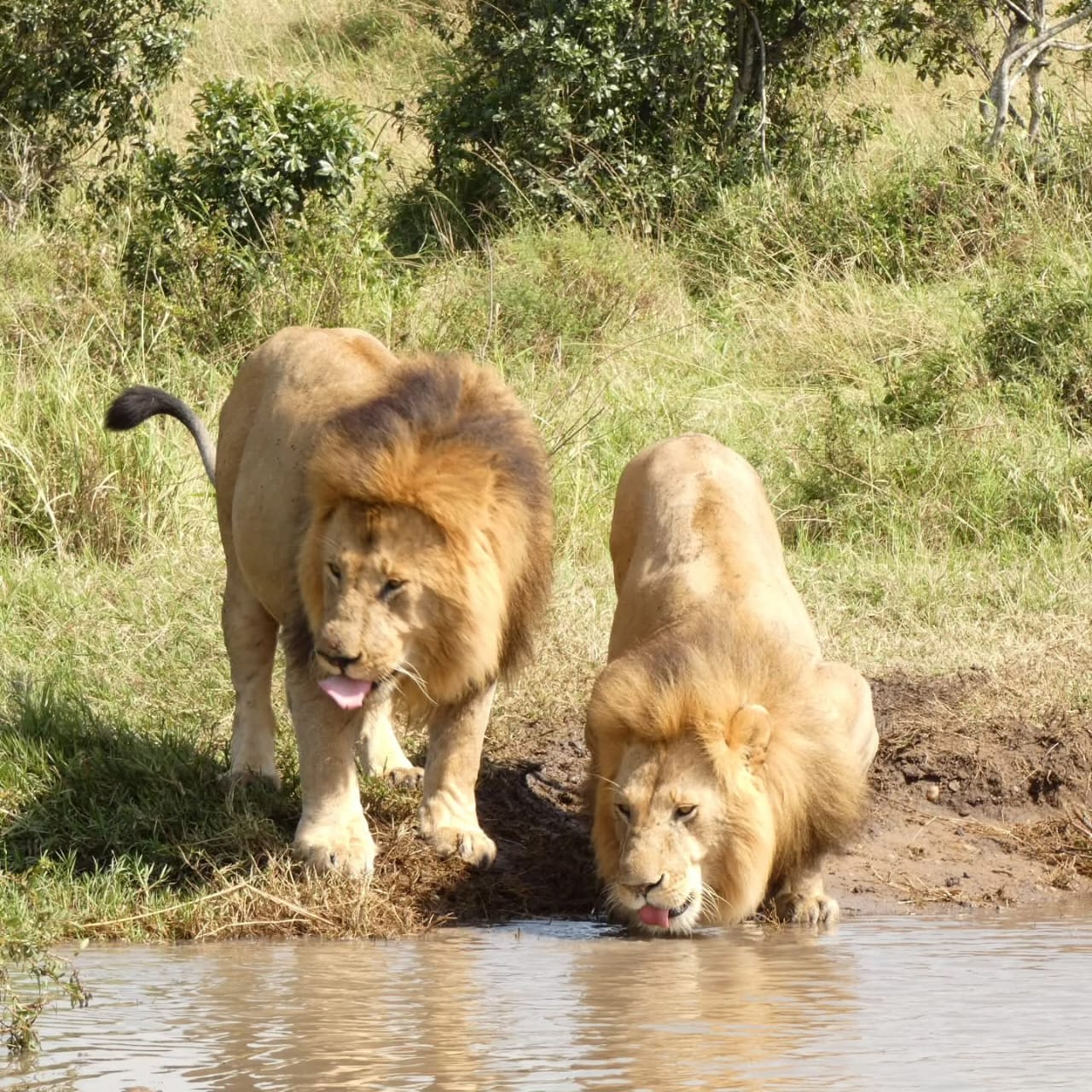
The Masai Mara is home to an exceptional concentration of wildlife, including the Big Five—lions, elephants, buffalo, leopards, and rhinoceros. You'll also encounter numerous other species such as giraffes, zebras, wildebeest, hyenas, cheetahs, and countless bird species. The reserve is particularly renowned for its predator populations and large herbivore herds. During the Great Migration (July to October), you can witness one of nature's most dramatic events as millions of wildebeest and zebras traverse the plains. Game drives with experienced guides significantly increase your chances of spotting these animals in their natural habitat.
The Masai Mara can be visited year-round, but the optimal times depend on what you want to experience. The dry seasons—July to October and January to February—offer the best game viewing because wildlife congregates around water sources, making animals easier to spot. July to October is particularly spectacular for witnessing the Great Migration. The wet season (November to June) brings lush green landscapes, fewer tourists, and excellent bird watching, though some roads may be challenging. December to February offers pleasant weather and good wildlife viewing with smaller crowds. Consider your priorities when planning your visit.
A 4-day safari provides a solid introduction to Kenya's major attractions and allows you to experience both the Masai Mara and Lake Nakuru. This duration gives you a full day of game drives in the Masai Mara, which is sufficient to see diverse wildlife and landscape features. Four days also minimizes travel fatigue while maximizing wildlife viewing opportunities. Longer safaris (7-10 days) allow for deeper exploration and increased chances of rare animal sightings, but a 4-day itinerary efficiently covers two of Kenya's most iconic destinations and provides excellent value for time-conscious travelers.
Essential safari packing includes neutral-colored clothing (khaki, tan, green, and brown) to blend into the landscape and avoid disturbing wildlife. Bring lightweight, breathable fabrics for hot days and a warm layer for cool mornings and evenings. Pack a wide-brimmed hat, high-SPF sunscreen, sunglasses, and insect repellent. Comfortable walking shoes and closed-toe boots are important for game drives and lodge activities. Don't forget binoculars for wildlife spotting, a camera with extra batteries, and a small daypack. Toiletries, medications, and any personal items should be included. While most lodges provide bottled water during game drives, bringing a refillable water bottle is practical. Check weather forecasts closer to your travel date for additional packing adjustments.
Visa requirements for Kenya depend on your nationality. Many countries' citizens can obtain a visa on arrival or through an e-visa system, though regulations frequently change. It's essential to check with the Kenyan immigration authority or your nearest Kenyan embassy well in advance of your travel date to confirm current requirements for your passport. Most visitors need a valid passport with at least six months of validity remaining. Additionally, some countries may require proof of yellow fever vaccination for entry into Kenya. Travel insurance that covers medical emergencies is highly recommended, though not always mandatory. Begin visa arrangements at least 4-6 weeks before your departure date.
Lake Nakuru is famous for its alkaline waters and stunning natural scenery within the Great Rift Valley. Historically, the lake was renowned for hosting millions of flamingos, creating a spectacular pink-colored shoreline—though flamingo populations fluctuate based on water chemistry and food availability. Today, Lake Nakuru National Park remains an important sanctuary for diverse bird species, making it a paradise for birdwatchers. The park is also home to leopards, lions, buffalo, and various antelope species. The dramatic escarpment views and acacia woodlands create breathtaking landscapes. The combination of unique wildlife, geological features, and scenic beauty makes Lake Nakuru an essential complement to a Masai Mara safari and a UNESCO World Heritage Site.
Safari costs vary significantly based on accommodation level, season, and operator. A 4-day safari typically ranges from budget-friendly options to luxury experiences. Most packages include accommodation, meals, park fees, game drives, and professional guides, which represents substantial value. Peak season prices (July-October) are generally higher than shoulder or low seasons. The package typically covers all park entrance fees, three daily meals, private vehicle transportation, and English-speaking guides, which are major cost components. International flights, travel insurance, visa fees, tips, and alcoholic beverages are usually separate expenses. For accurate pricing, request quotes from reputable operators and compare inclusions carefully. Booking during shoulder seasons can offer better rates while still providing excellent wildlife viewing opportunities.
A 4-day safari, particularly one focused on the Masai Mara, offers a strong possibility of seeing the Big Five—lions, elephants, buffalo, leopards, and rhinoceros. The Masai Mara has one of the highest concentrations of these animals in Africa. However, wildlife sightings are never guaranteed, as animals move freely across vast landscapes. Your chances improve with a full day of game drives in the Mara (typically Day 2 of a 4-day itinerary) combined with an experienced guide who knows animal behavior and movement patterns. Early morning and late afternoon drives offer the best viewing opportunities. While four days provides reasonable odds, some travelers extend their safaris to increase sighting probabilities. Even if you don't see all five species, you'll likely encounter most of them and experience exceptional wildlife viewing.
A comprehensive all-inclusive safari package typically covers accommodation at selected lodges, all meals (breakfast, lunch, and dinner), park entrance fees, game drives in a private 4x4 vehicle with a professional guide, bottled water during drives, and airport transfers. These inclusions represent the core safari experience and eliminate most logistical concerns during your trip. However, all-inclusive packages generally exclude international airfare, travel insurance, visa fees, alcoholic beverages beyond water, tips and gratuities for guides and staff, personal expenses, and specialized activities like hot air balloon rides. It's crucial to review the specific inclusions and exclusions for your package before booking. Ask questions about what's covered for meals, whether premium beverages are included, and any optional activities available at additional cost. Understanding these details helps you budget accurately for your safari.
The most common route from Nairobi to the Masai Mara involves traveling west through the Great Rift Valley, which offers spectacular scenery and wildlife viewing opportunities en route. Most safari packages include airport transfers and transportation via private 4x4 vehicles, which are ideal for the journey and allow for wildlife spotting along the way. The drive typically takes 5-6 hours depending on road conditions and stops. Alternative options include domestic flights from Nairobi's Wilson Airport to airstrips near the Mara, which take approximately one hour but are more expensive. Road travel is more immersive and allows you to experience the Rift Valley's dramatic escarpments and landscapes. Professional drivers familiar with the route ensure safe, comfortable travel. The journey itself is part of the safari experience, offering opportunities to see wildlife and learn about Kenya's geography from your guide.
 Mara Whisper SafarisNairobi, Kenya5.0(4 reviews)
© 2026 SafariFind. All rights reserved.