4 daysshared
4-Day Maasai Mara $Lake Nakuru Safari
Highlights
- Big Five game drives in Maasai Mara
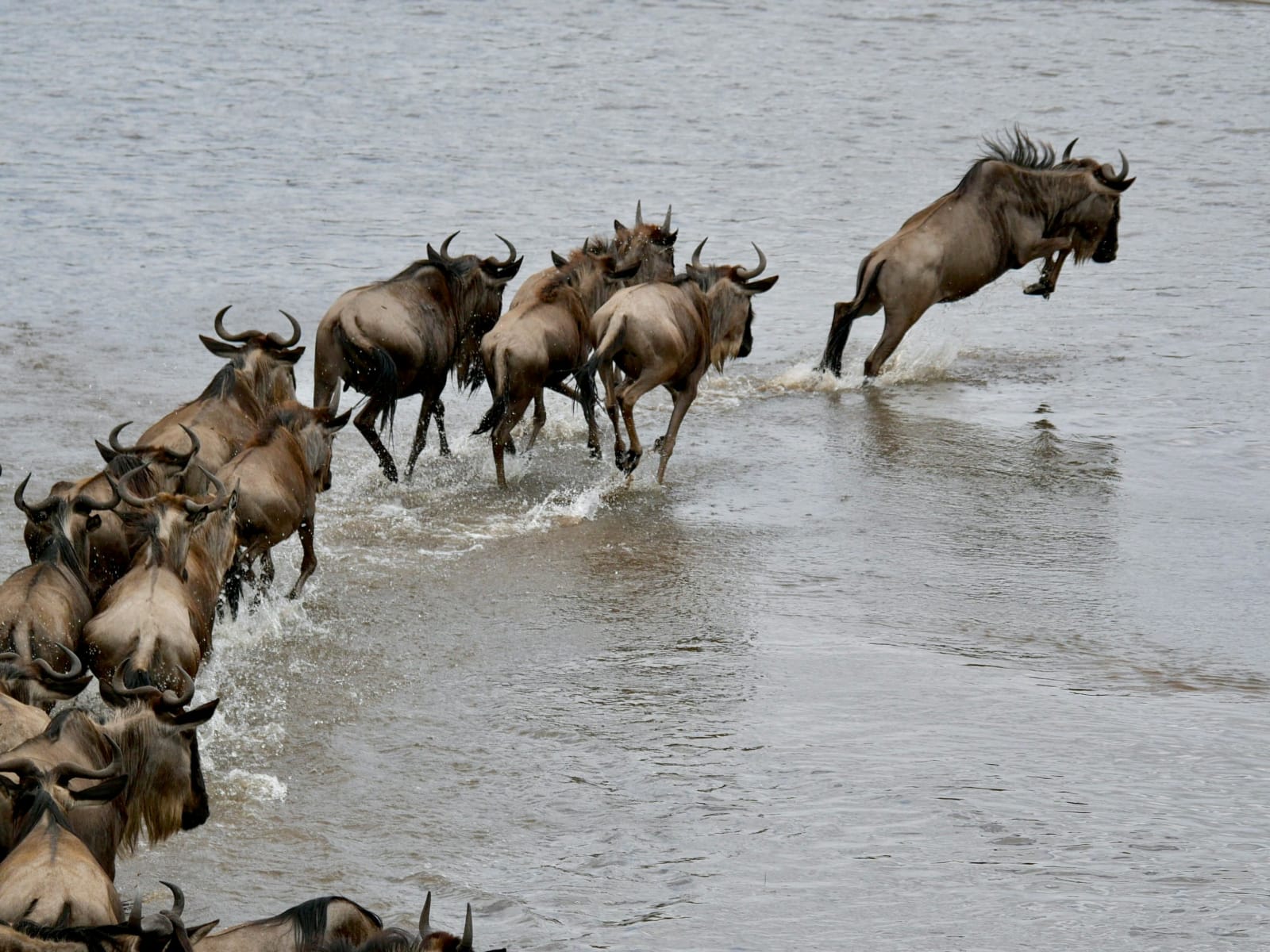
- Witness the Great Wildebeest Migration
Loading SafariFind...
Nairobi to Maasai Mara
Maasai Mara National Reserve
Meals: Dinner
Full Day Exploration of Maasai Mara
Maasai Mara National Reserve
Meals: Breakfast, Lunch, Dinner
Maasai Mara to Lake Nakuru
Nakuru
Meals: Breakfast, Lunch, Dinner
Lake Nakuru to Nairobi
Nairobi
Meals: Breakfast
Year Round
Year-round
| Season | Solo traveler | 2 people | 3 – 4 people | 5 – 6 people | 7+ people | Child rate | Single suppl. |
|---|---|---|---|---|---|---|---|
Year Round Year-round | $1,740 | $1,160 | $1,040 | $990 | $930 | $810 | $350 |
Child rate applies to travelers under 12 years. Single supplement applies to solo travelers taking their own room.
The Masai Mara is home to an incredible diversity of wildlife, including the iconic Big Five: lions, elephants, buffalo, leopards, and rhinoceros. You'll also encounter zebras, giraffes, wildebeest, hyenas, cheetahs, and numerous antelope species. The reserve is particularly famous for the Great Migration, where massive herds of wildebeest and zebras move through the ecosystem in search of fresh grazing lands. Birdwatchers will appreciate over 450 bird species recorded in the area. The concentration and variety of wildlife make the Mara one of Africa's premier safari destinations, with excellent chances of sightings during game drives.
The Great Migration typically reaches the Masai Mara between July and October, making this the peak season for witnessing this spectacular natural event. During these months, massive herds of wildebeest and zebras cross the reserve in search of fresh pasture, offering dramatic and unforgettable wildlife encounters. However, the Mara is an excellent destination year-round. The dry seasons (July-October and January-February) provide the best general game viewing as animals congregate around water sources. The green season (November-June) offers lush landscapes, fewer crowds, and excellent birdwatching. Your choice depends on whether you prioritize the Migration spectacle or prefer a quieter experience with diverse wildlife sightings.
A 4-day safari provides an excellent timeframe for experiencing Kenya's most iconic wildlife destinations while maintaining a comfortable pace. This duration allows you to spend meaningful time in multiple reserves—such as the Masai Mara and Lake Nakuru—rather than rushing through a single location. Four days gives you multiple game drives across different times of day, significantly increasing your chances of encountering diverse wildlife and experiencing different animal behaviors. While longer safaris (7-10 days) allow for deeper exploration, a 4-day itinerary balances comprehensive wildlife viewing with practical travel considerations. Most visitors find this duration sufficient to see the Big Five and numerous other species while avoiding safari fatigue.
Pack neutral-colored, lightweight clothing in earth tones (khaki, tan, olive, brown) as bright colors can startle wildlife. Bring long-sleeved shirts and long pants for sun protection and insect avoidance, plus a warm layer for early morning and evening game drives when temperatures drop. Essential items include a wide-brimmed hat, high-SPF sunscreen, sunglasses, and a good camera with extra batteries and memory cards. Comfortable, sturdy closed-toe hiking boots are crucial for uneven terrain. Don't forget binoculars for better wildlife viewing, a reusable water bottle, insect repellent, and basic medications. Bring minimal luggage as most safari vehicles have limited space, and pack items in soft bags rather than hard suitcases for easier transport. A light rain jacket is useful during the wet seasons, and consider a small daypack for carrying essentials during game drives.
A private safari vehicle offers significant advantages for your experience. With your own 4x4 Land Cruiser, you gain flexibility to stop longer at wildlife sightings, adjust your route based on animal activity, and enjoy a more personalized pace without compromising for other tourists. This setup allows for better photography opportunities, more intimate wildlife encounters, and the ability to ask your guide questions without distracting other passengers. Private vehicles also provide greater comfort and can accommodate specific interests—whether you're a serious photographer, bird enthusiast, or prefer a more leisurely exploration. The dedicated professional guide can focus entirely on your group, offering deeper insights and customized commentary. While shared vehicles are more budget-friendly, private safaris deliver a higher-quality, more flexible experience that maximizes your wildlife encounters and overall satisfaction.
Lake Nakuru is a shallow soda lake famous for its stunning natural beauty and unique wildlife. Historically, the lake was renowned for hosting millions of flamingos that created a breathtaking pink-hued landscape—though flamingo populations fluctuate based on water levels and algae conditions. Today, Lake Nakuru National Park is celebrated as a rhino sanctuary, playing a crucial role in protecting both black and white rhinoceros populations. The reserve is home to diverse wildlife including lions, leopards, buffalo, zebras, giraffes, and numerous bird species. The lake itself is surrounded by acacia woodland and rocky cliffs, creating scenic vistas. The park is smaller and more intimate than the Mara, making it ideal for a focused wildlife experience. It serves as an excellent complement to a Masai Mara safari, offering different ecosystems and wildlife viewing opportunities within a compact area.
Visa requirements for Kenya depend on your nationality. Many countries' citizens can obtain a visa on arrival or apply for an e-visa online before travel, which is convenient and typically processed within days. Some nationalities qualify for visa-free entry for short stays. It's essential to check the current requirements with the Kenyan immigration authority or your nearest Kenyan embassy well before your trip, as regulations can change. Ensure your passport is valid for at least six months beyond your travel dates. Additionally, while not a visa requirement, Kenya recommends or requires certain vaccinations (such as yellow fever) depending on where you're traveling from. Consult your healthcare provider or a travel clinic at least 4-6 weeks before departure to understand health requirements and recommendations for your specific situation.
Safari costs in Kenya vary significantly based on duration, accommodation level, season, and whether you choose a private or shared experience. A 4-day safari can range from budget-friendly options to luxury experiences. Costs typically include accommodation, meals, park fees, vehicle rental, and a professional guide. Budget safaris may cost less, while mid-range and luxury options command higher prices due to premium lodges, exclusive camps, and enhanced services. Peak season (July-October) generally costs more than shoulder seasons. Your total investment depends on your comfort preferences—from basic but comfortable accommodations to high-end lodges with exceptional amenities. It's worth noting that many safari packages offer excellent value when you consider that meals, transportation, and expert guiding are included. To get an accurate quote, specify your preferred travel dates, accommodation standards, and any special interests to receive a customized pricing breakdown.
A comprehensive safari package typically includes all park entrance fees, eliminating surprise costs at reserve gates. Accommodation is provided as per your itinerary, ranging from comfortable lodges to luxury camps. All meals—breakfast, lunch, and dinner—are included, allowing you to enjoy local and international cuisine without additional dining expenses. Transportation is covered via a private or shared 4x4 safari vehicle suitable for off-road exploration. A professional, English-speaking guide accompanies you throughout, providing wildlife expertise, cultural insights, and ensuring your safety. Bottled water during game drives keeps you hydrated during long drives. Airport transfers handle your transportation between the airport and your accommodation, eliminating the hassle of arranging local transport. Importantly, most packages exclude international airfare, travel insurance, visa fees, alcoholic beverages, tips and gratuities, personal expenses, and optional activities like hot air balloon rides. Review your specific package details to understand exactly what's covered and plan accordingly for excluded items.
Yes, a 4-day safari provides excellent opportunities to encounter the Big Five—lions, elephants, buffalo, leopards, and rhinoceros—though sightings are never guaranteed in wildlife viewing. The Masai Mara is particularly renowned for Big Five sightings, with healthy populations of lions and elephants, and good chances of spotting buffalo and leopards. Lake Nakuru, as a rhino sanctuary, offers strong possibilities for rhino viewing. The combination of visiting both reserves within four days maximizes your chances of seeing all five species. Your success depends on several factors: timing (certain seasons offer better sightings), luck, your guide's expertise and experience, and the number of game drives you undertake. Professional guides with extensive knowledge of animal behavior and movement patterns significantly improve your odds. While some visitors see all five species in four days, others may see four or encounter some species multiple times. The experience itself—observing wildlife in their natural habitat—is rewarding regardless of whether you check off the entire Big Five list.
 Mara Whisper SafarisNairobi, Kenya5.0(4 reviews)
© 2026 SafariFind. All rights reserved.