4 daysprivate
4-Day Masai Mara National Reserve Budget Tour
Highlights
- Masai Mara National Reserve
- Guided game drive
Loading SafariFind...
Nairobi to Masai Mara National Reserve
Masai Mara National Reserve
Meals: Lunch, Dinner
Masai Mara National Reserve
Masai Mara National Reserve
Meals: Breakfast, Lunch, Dinner
Masai Mara National Reserve
Masai Mara National Reserve
Meals: Breakfast, Lunch, Dinner
Masai Mara National Reserve to Nairobi
Nairobi
Meals: Breakfast
Season 1
Jul 1 – Sep 30
Season 2
Oct 1 – Oct 31
Season 3
Nov 1 – Dec 23
| Season | 2 people |
|---|---|
Season 1 Jul 1 – Sep 30 | $1,680 |
Season 2 Oct 1 – Oct 31 | $1,680 |
Season 3 Nov 1 – Dec 23 | $1,680 |
The Masai Mara is renowned for hosting the Big Five — lions, elephants, buffalo, leopards, and rhinoceros — along with numerous other species. During game drives through the reserve's vast savannahs, you'll encounter zebras, giraffes, wildebeest, antelopes, hyenas, cheetahs, and a rich variety of bird species. The specific animals you see depend on the season and time of day, as wildlife distribution changes throughout the year. A 4-day safari provides excellent opportunities to spot multiple species across different habitats within the reserve.
The Masai Mara can be visited year-round, but the best times depend on what you want to experience. The dry seasons (June to October and January to February) offer the clearest skies and best game viewing, as wildlife congregates around water sources. July to October is particularly spectacular for witnessing the Great Migration, when massive herds of wildebeest and zebras cross from the Serengeti. The wet seasons (November to December and March to May) bring lush landscapes, fewer tourists, and excellent birdwatching. Consider your priorities — migration spectacle, general wildlife viewing, or budget-friendly travel — when choosing your travel dates.
A 4-day safari in the Masai Mara is an ideal duration for first-time visitors, providing sufficient time to explore the reserve's diverse ecosystems and maximize wildlife encounters. This timeframe allows for multiple game drives at different times of day — morning and afternoon drives are most productive — and includes travel time from Nairobi. While some travelers prefer longer safaris (5-7 days) for deeper immersion, a 4-day itinerary balances comprehensive wildlife viewing with practical scheduling and cost considerations.
Essential packing items for a Masai Mara safari include lightweight, neutral-colored clothing (khaki, tan, green) that blends with the landscape, a wide-brimmed hat, sunglasses, and high-SPF sunscreen. Bring layers, as mornings and evenings can be cool despite daytime heat. Closed-toe hiking boots or sturdy walking shoes are important for game walks and uneven terrain. Pack binoculars for wildlife viewing, a camera with extra batteries and memory cards, and any personal medications. Insect repellent is recommended, particularly during rainy seasons. A light rain jacket is useful year-round. Check your lodge's amenities in advance, as many provide toiletries, though bringing your preferred items ensures comfort.
Safaris in Kenya's national reserves, including the Masai Mara, are generally safe when conducted through reputable operators with professional guides and established safety protocols. Your safari vehicle provides security during game drives, and guides are trained in wildlife behavior and emergency procedures. The main precautions involve following your guide's instructions, remaining in vehicles during game drives, and avoiding solo exploration outside designated areas. Political stability in Kenya's tourist regions is strong, with robust tourism infrastructure. However, it's always wise to check current travel advisories from your government before departure, ensure you have comprehensive travel insurance, and book through established operators with positive safety records.
Visa requirements for Kenya depend on your nationality. Most international visitors require a visa, which can be obtained on arrival at Jomo Kenyatta International Airport in Nairobi, via the e-visa system online before travel, or through your country's Kenyan embassy. The process is straightforward for most nationalities. You'll need a valid passport with at least six months' validity beyond your intended stay. Citizens of some East African Community countries may have visa exemptions. It's essential to check the official Kenyan immigration website or contact your nearest Kenyan embassy for current requirements specific to your nationality, as regulations can change.
Beyond its exceptional wildlife, the Masai Mara is celebrated for its vibrant Maasai culture and heritage. The reserve borders Maasai communities who have traditionally coexisted with the wildlife for centuries. Many safari experiences include cultural interactions, visits to Maasai villages, and opportunities to learn about their pastoralist traditions, beadwork, and way of life. The landscape itself is iconic — vast golden savannahs, acacia woodlands, and the Mara River create stunning scenery. The reserve is also famous as the destination of the Great Migration, one of nature's most dramatic annual events. These cultural and natural elements combine to make the Masai Mara a uniquely enriching travel experience.
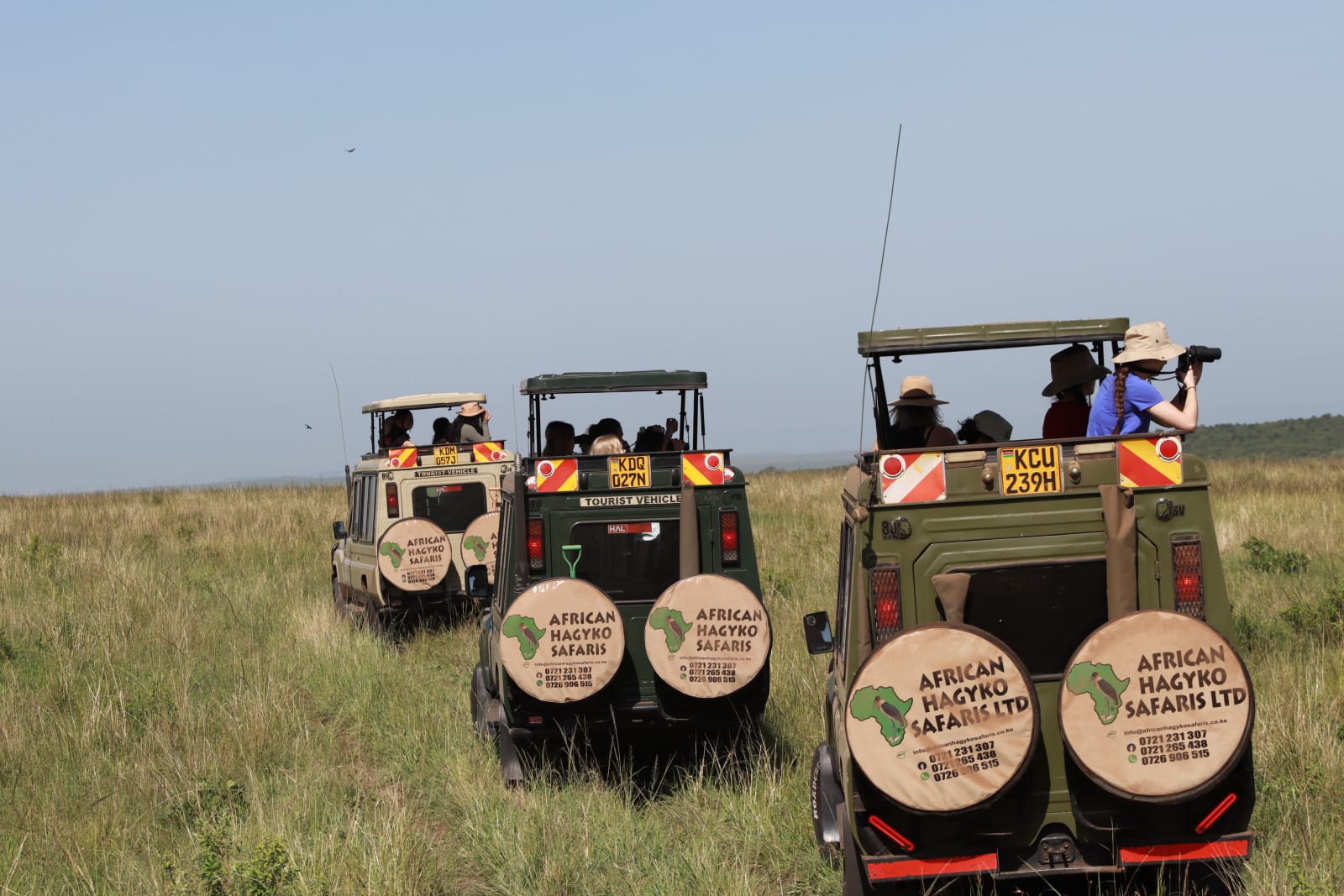
Game drives in the Masai Mara are typically conducted in open or pop-up roof safari vehicles, allowing unobstructed wildlife viewing and photography. Drives are led by professional, English-speaking guides who navigate the reserve's roads and tracks, tracking wildlife based on animal behavior patterns and radio communication with other guides. Most safaris include early morning drives (starting before dawn) and afternoon drives (typically 3-4 hours), as these are peak wildlife activity periods. Drives are flexible — guides adjust routes based on animal sightings and guest interests. You'll have drinking water provided in the vehicle for comfort. The combination of morning and afternoon drives over 4 days provides multiple opportunities to encounter diverse species and habitats.
A typical safari day begins before sunrise with an early breakfast, followed by a morning game drive (usually 5-6 hours) through the reserve when wildlife is most active. You'll return to your lodge for lunch, rest, and refreshments during the hottest part of the day. Late afternoon brings a second game drive (3-4 hours) as animals become active again toward evening. Dinner is served at your lodge, often featuring gourmet meals showcasing local and international cuisine. Your professional guide will navigate the reserve, spotting wildlife and sharing insights about animal behavior, ecology, and the Maasai culture. Some lodges offer evening activities like nature walks or cultural presentations. This rhythm balances wildlife viewing intensity with rest and comfort, maximizing your safari experience.
The Masai Mara is approximately 280 kilometers (175 miles) from Nairobi. Most travelers reach the reserve via a domestic flight (about 1 hour) from Nairobi's Wilson Airport to airstrips within or near the Mara, followed by a road transfer to their lodge. Alternatively, you can drive from Nairobi (5-6 hours) through scenic Kenyan countryside, though this is more time-consuming. Many safari packages include road transfers from Nairobi as part of their itinerary, with convenient pickup from your hotel or the airport. Note that domestic flights are typically not included in budget tour packages, so you'll need to arrange these separately or upgrade your package. Starting and ending in Nairobi provides flexibility for combining your safari with city time or other Kenyan destinations.
 African Hagyko SafarisNairobi, Kenya5.0(75 reviews)
© 2026 SafariFind. All rights reserved.