 1 / 3
1 / 3 4 daysprivate
4-Day MOUNT KENYA HIKING: SIRIMONI-CHOGORIA
Highlights
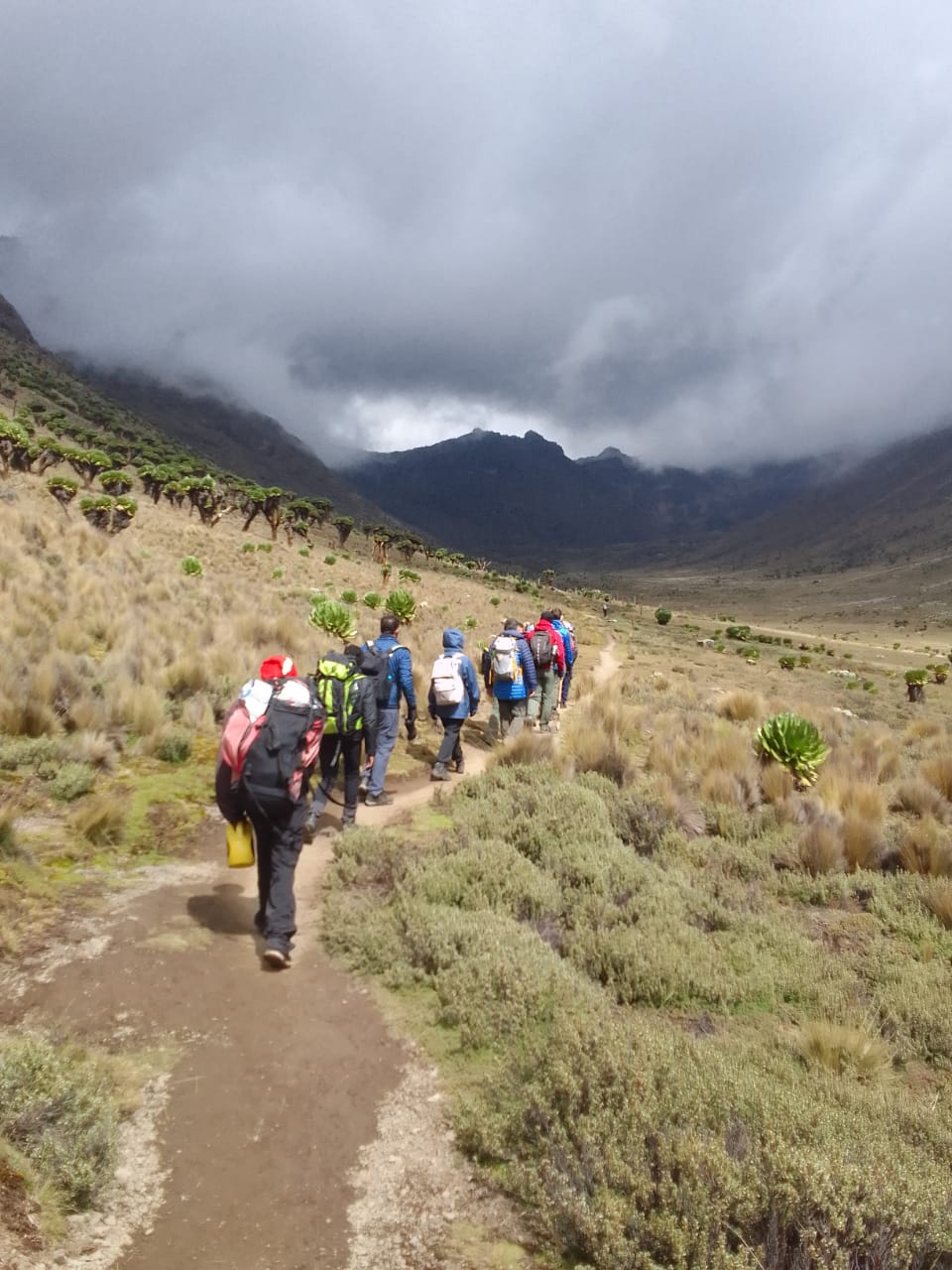
- Mountain kenya view
Loading SafariFind...
1 / 3Nairobi- Old Moses Nanyuki
Meals: Lunch, Dinner
Old Moses Nanyuki- Shipton
Meals: Breakfast, Lunch, Dinner
Shipton - Lenana - Anabas
Meals: Breakfast, Lunch, Dinner
Anabas- Nairobi
Meals: Breakfast
Year Round
Year-round
| Season | Solo traveler | 2 people | 3 – 4 people | 5 – 6 people | 7+ people | Child rate | Single suppl. |
|---|---|---|---|---|---|---|---|
Year Round Year-round | $1,170 | $780 | $700 | $660 | $620 | $550 | $230 |
Child rate applies to travelers under 18 years. Single supplement applies to solo travelers taking their own room.
The best times to climb Mount Kenya are during the dry seasons: January to February and August to September. During these months, you'll experience more stable weather conditions, clearer skies for sunrise views, and better trail conditions. The rainy seasons (March to May and October to December) can make the trek more challenging due to muddy trails and reduced visibility. However, Mount Kenya can be climbed year-round, and the shoulder seasons offer fewer crowds and lush green landscapes.
The Sirimon-Chogoria route is considered moderately challenging, making it suitable for trekkers with basic fitness levels rather than experienced mountaineers. The Sirimon ascent is gradual and well-suited for acclimatization, starting through dense forests before transitioning to alpine moorlands. The main challenge is the high altitude rather than technical climbing skills. Most hikers can complete this route with proper preparation, adequate acclimatization, and a steady pace. The descent via Chogoria is generally easier on the legs, though it involves significant elevation loss.
Mount Kenya offers diverse ecosystems and wildlife throughout the trek. In the lower forest zones (Sirimon Gate area), you may encounter elephants, buffaloes, and various bird species among cedar and podocarpus forests. As you ascend through Liki and Mackinder's valleys, the landscape transitions to alpine moorlands with unique high-altitude vegetation. Near Point Lenana and Shipton's Camp, you'll experience dramatic mountain scenery with panoramic views. The descent via Chogoria reveals stunning natural features including Lake Michaelson, the Gorges Valley, and cascading waterfalls. The sunrise from Point Lenana is a highlight, offering breathtaking views across Kenya's landscape.
No, mountaineering experience is not required for the Sirimon-Chogoria route. This route is designed for trekkers rather than technical climbers, as it reaches Point Lenana (4,985m) rather than the technical peaks that require climbing skills. What you need is a reasonable level of fitness, mental determination, and the ability to handle altitude. Proper acclimatization, which this 4-day itinerary provides through gradual ascent, is more important than climbing experience. A professional English-speaking guide will support you throughout the trek.
The 4-day Sirimon-Chogoria route is specifically designed with acclimatization in mind. Day 1 involves travel to Old Moses Nanyuki (around 2,000m), allowing your body to begin adjusting. Day 2 takes you to Shipton's Camp through a gradual ascent via Liki and Mackinder's valleys, with overnight stays at intermediate altitudes that help your body adapt. This slow, steady climb is more effective for acclimatization than rapid ascents. On Day 3, the pre-dawn push to Point Lenana (4,985m) is manageable because your body has had time to adjust. Staying hydrated, eating well, and moving at a measured pace are essential acclimatization strategies throughout the trek.
For a Mount Kenya trek, pack layers since temperatures vary dramatically with altitude. Bring moisture-wicking base layers, a warm fleece or down jacket, and a waterproof outer shell. Include a warm hat, gloves, and a balaclava for the high-altitude sections and pre-dawn summit push. Wear sturdy, well-broken-in hiking boots with good ankle support and grip. Pack thick hiking socks, gaiters to keep debris out, and a daypack for carrying water and snacks. Bring a headlamp or torch for the early morning ascent, sunscreen, sunglasses, and a reusable water bottle. Include personal medications, blister treatment, and any altitude sickness remedies you prefer. A camera is essential for capturing the stunning scenery and sunrise. Avoid overpacking—a 10-15kg backpack is ideal for a multi-day trek.
Altitude sickness is a potential concern on Mount Kenya, particularly as you ascend above 3,500m. However, the gradual ascent of the Sirimon-Chogoria route significantly reduces the risk compared to faster routes. Common symptoms include headaches, nausea, and fatigue, which typically resolve with proper acclimatization and hydration. Most trekkers experience mild symptoms that don't prevent summit success. To minimize altitude sickness risk, ascend slowly (which this itinerary does), drink plenty of water, eat regular meals, and avoid alcohol. Consult your doctor before the trek, especially if you have pre-existing conditions. Your professional guide is trained to recognize symptoms and can adjust the pace if needed. Descending to lower altitudes is the most effective treatment if severe symptoms occur.
Meals are included throughout the 4-day Mount Kenya trek as part of the package. Your guide and support team will prepare nutritious meals at each camp, typically featuring a mix of local and international cuisine designed to sustain you during the physical demands of trekking. Breakfast is usually hearty and served before or during the day's hike, lunch may be packed or served at camp, and dinner is a warm, satisfying meal prepared in camp. Meals are planned to provide adequate calories and nutrition for high-altitude trekking. The diet typically includes carbohydrates for energy, proteins for muscle recovery, and fresh fruits and vegetables when available. If you have dietary restrictions or preferences, inform your operator in advance so appropriate meals can be arranged.
Mount Kenya trek costs vary depending on the operator and season, but a 4-day Sirimon-Chogoria trek typically ranges from $800 to $1,500 per person. The package includes all park entrance fees, professional English-speaking guide services, accommodation at mountain camps, all meals throughout the trek, and airport transfers. These inclusions make the trek accessible for most budget-conscious travelers. However, costs exclude international airfare, travel insurance, alcoholic beverages, tips and gratuities for guides and porters, vaccinations, and personal expenses. Many operators offer group discounts, and booking during shoulder seasons may provide better rates. Ensure you budget for tips (typically 10-15% of the trek cost) and travel insurance, which is highly recommended.
The Sirimon and Chogoria routes are two distinct paths on Mount Kenya, often combined for a complete trekking experience. The Sirimon route (used for ascent in this itinerary) is the more gradual and forested approach, starting at Sirimon Gate and ascending through dense cedar and podocarpus forests before opening into alpine moorlands. It's considered the easier ascent route with better acclimatization. The Chogoria route (used for descent in this itinerary) is more scenic and dramatic, featuring stunning views of Lake Michaelson, the Gorges Valley, and cascading waterfalls. The Chogoria descent is visually spectacular but involves significant elevation loss, which can be tough on the knees. Combining both routes in a single trek, as this 4-day itinerary does, offers the best of both experiences: a manageable ascent and a spectacular, varied descent.
 Tukutane Kenya SafarisNairobi, Kenya4.8(13 reviews)
© 2026 SafariFind. All rights reserved.