Loading SafariFind...
Flight to the Northern Serengeti (Kogatende)
Meals: Lunch, Dinner
The Mara River Experience
Meals: Breakfast, Lunch, Dinner
Journey to the Central Serengeti (Seronera)
Meals: Breakfast, Lunch, Dinner
Dawn Patrol & Flight to Arusha
Meals: Breakfast, Lunch
Year Round
Year-round
| Season | Solo traveler | 2 people | 3 – 4 people | 5 – 6 people | 7+ people | Child rate | Single suppl. |
|---|---|---|---|---|---|---|---|
Year Round Year-round | $3,280 | $2,190 | $1,970 | $1,860 | $1,750 | $1,530 | $660 |
Child rate applies to travelers under 12 years. Single supplement applies to solo travelers taking their own room.
The Great Migration in the Serengeti follows a predictable annual cycle. The northern sector, including the Grumeti River, experiences the most dramatic crossing activity between May and July, when massive herds of wildebeest and zebras move through in search of fresh grazing. However, the Serengeti offers exceptional wildlife viewing year-round. The central plains are home to resident populations of lions, leopards, cheetahs, and elephants that can be seen throughout the year. If witnessing the river crossings is your priority, plan your visit for the May-July window. If you prefer flexibility and want to avoid peak season crowds, the shoulder months (April, August, September) and dry season (January-February) also offer outstanding game-viewing opportunities.
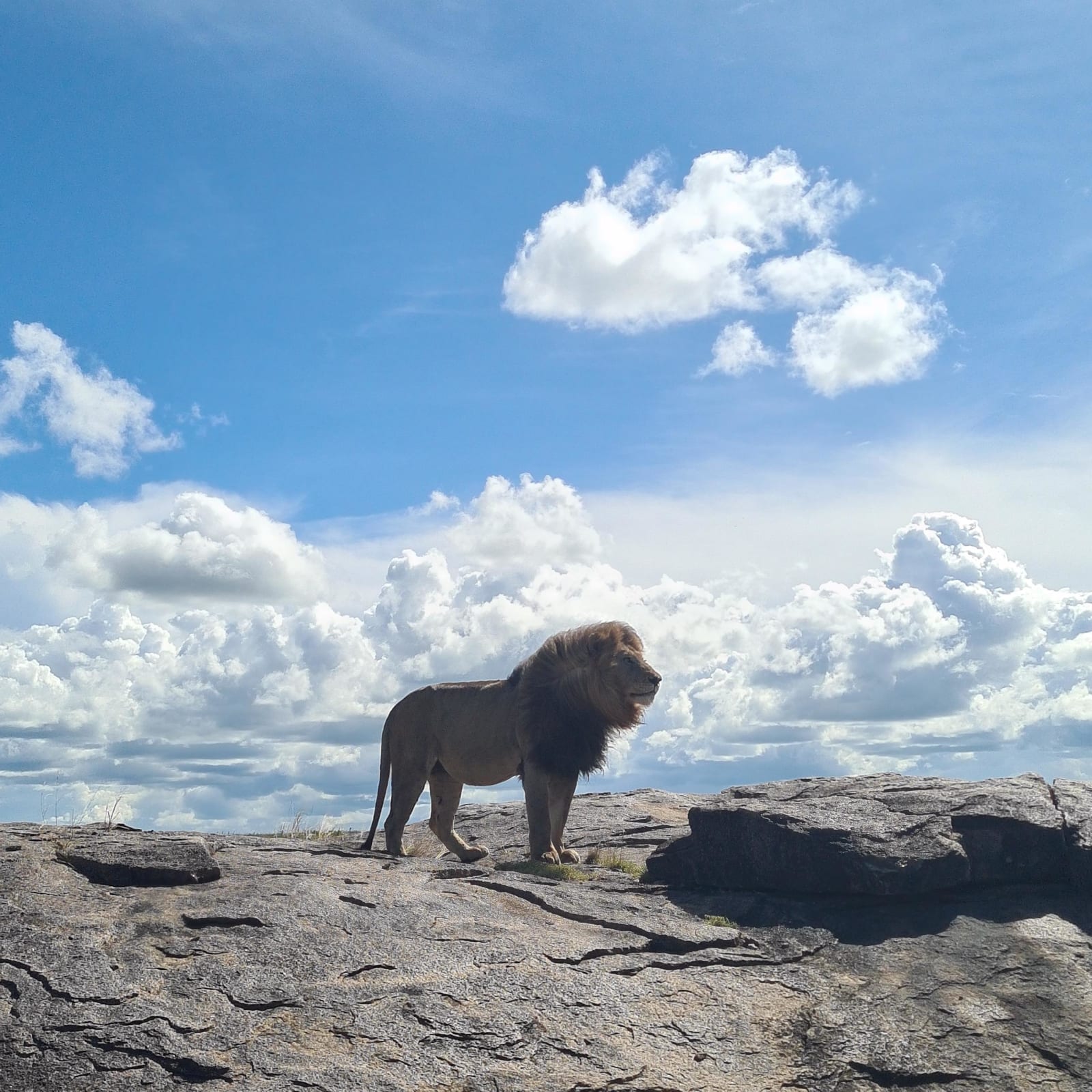
The Serengeti is home to an extraordinary diversity of wildlife. You can expect to encounter the Big Five: lions, leopards, elephants, buffalo, and rhinos. Beyond these iconic species, you'll regularly see cheetahs, hyenas, wild dogs, giraffes, zebras, wildebeest, warthogs, and numerous antelope species including impala, topi, and hartebeest. The park is also a birdwatcher's paradise, with over 500 bird species recorded, from ostriches to martial eagles. During the Migration season, you may witness the dramatic river crossings where massive crocodiles lie in wait. Sightings are frequent and often dramatic, especially during early morning and late afternoon game drives when predators are most active.
A Serengeti safari can range from 2 to 7+ days depending on your goals and available time. A 4-day safari is considered an ideal balance—long enough to experience two distinct ecosystems (the northern wildlife corridors and central plains) and witness varied wildlife behavior, yet short enough for travelers with limited vacation time. Four days typically includes 3 full days of game drives, which allows for multiple sighting opportunities and the chance to follow predators or observe animal behavior over time. Longer safaris (5-7 days) provide even more flexibility and deeper immersion, while shorter trips (2-3 days) are possible but offer less time to explore different regions and encounter the full range of wildlife.
A fly-in safari offers exceptional value despite the higher upfront cost. The primary advantage is time efficiency—rather than spending 2-3 days on dusty overland travel, you fly directly into the heart of the Serengeti, maximizing your time in the field actually viewing wildlife. This means more game drives, more sighting opportunities, and a more intensive safari experience. You'll stay in premium lodges positioned in prime wildlife-viewing areas, and you'll be guided by expert naturalists who know exactly where to find animals based on seasonal patterns. For a 4-day safari, a fly-in approach often yields more wildlife encounters than a longer overland journey. If your vacation time is limited, a fly-in safari delivers maximum impact and unforgettable experiences in a condensed timeframe.
Packing for a Serengeti safari requires consideration of climate, wildlife viewing, and comfort. Bring neutral-colored, lightweight clothing in earth tones (khaki, tan, green, brown) to blend into the landscape—avoid bright colors that startle wildlife. Pack layers, as mornings and evenings can be cool even in warm seasons. Essential items include a wide-brimmed hat, sunglasses, high-SPF sunscreen, and insect repellent. Bring sturdy, closed-toe hiking boots for walking safaris and comfortable shoes for lodge wear. A lightweight rain jacket is important year-round, as afternoon showers can occur in any season. Include a good camera with a telephoto lens, binoculars, and a notebook for recording sightings. Toiletries, medications, and any personal items should be brought from home, as supplies are limited in remote areas. Consider a small daypack for carrying water, snacks, and gear during game drives. Check your specific package details regarding what's provided (water, meals, transfers) to avoid overpacking.
The most efficient way to reach the Serengeti from Arusha is by domestic flight, which takes approximately 1-1.5 hours and lands you directly in the northern sector (Kogatende) or central plains (Seronera), depending on your itinerary. This fly-in approach is standard for 4-day safaris and eliminates 8-10 hours of overland driving. Alternatively, overland travel from Arusha takes 8-10 hours by 4x4 vehicle, passing through Ngorongoro Conservation Area. Most safari packages include flights within Tanzania and airport transfers in Arusha, so you'll be picked up from Kilimanjaro International Airport or your Arusha hotel and transported to the airstrip. The fly-in option is faster, less tiring, and allows you to start game drives sooner. If you're combining the Serengeti with other destinations like Ngorongoro Crater or Tarangire, your guide can help arrange the most logical routing.
Visa requirements for Tanzania depend on your nationality. Citizens of many countries can obtain a visa on arrival at Kilimanjaro International Airport or apply for an e-visa online before traveling. Some nationalities qualify for visa-free entry for short stays. It's essential to check the current requirements with the Tanzanian embassy or consulate in your country well before your trip, as regulations can change. Your safari operator can provide guidance, but you're responsible for securing your visa. In addition to a visa, ensure your passport is valid for at least six months beyond your travel dates. Some travelers also require vaccinations (Yellow Fever, Malaria prophylaxis) depending on their health history and origin country—consult your doctor or travel clinic 4-6 weeks before departure for personalized recommendations.
A comprehensive Serengeti safari package typically includes accommodation at a lodge or camp, all meals (breakfast, lunch, and dinner), private 4x4 safari vehicle transportation, professional English-speaking guides, all national park entrance fees, bottled water during game drives, and airport transfers. Some packages may include domestic flights within Tanzania. However, what's included varies by operator and package tier. Items usually excluded are international airfare, travel insurance, visa fees, alcoholic beverages, tips and gratuities for guides and staff, personal expenses, and optional activities like hot air balloon rides or walking safaris. Before booking, carefully review the package details with your operator to understand exactly what's covered, what costs extra, and whether items like beverages, tips, or special activities are included. This clarity helps you budget accurately and avoid surprises.
The Grumeti River crossing is one of the most dramatic natural spectacles on Earth and a highlight of northern Serengeti safaris. During the Great Migration (typically May-July), hundreds of thousands of wildebeest and zebras must cross the Grumeti River to reach fresh grazing lands. The river is home to massive Nile crocodiles that can exceed 5 meters in length and have waited months for this feast. Witnessing the crossing is a test of survival—some animals make it safely across, while others become prey to the waiting predators below. The crossing is unpredictable; it depends on rainfall, grass conditions, and animal behavior, so sightings are never guaranteed. However, being in the northern Serengeti during migration season positions you to potentially witness this extraordinary event. Even if you don't see a crossing, the northern sector offers exceptional wildlife viewing and the chance to observe predator-prey interactions in their rawest form.
The cost of a 4-day Serengeti fly-in safari varies widely based on lodge quality, season, and what's included. Budget safaris range from $2,000-$4,000 per person (shared vehicle), mid-range packages cost $4,000-$7,000, and luxury safaris can exceed $10,000 per person. Prices are typically lower during shoulder seasons (April, September-October) and higher during peak migration season (June-July). Most packages include accommodation, meals, game drives, guides, and park fees, but exclude international airfare, travel insurance, visas, tips, and alcoholic beverages. Private vehicle safaris cost more than shared vehicles but offer greater flexibility and personalized experiences. When comparing prices, ensure you're comparing similar inclusions—a cheaper package may exclude flights within Tanzania or premium lodge amenities. Contact multiple operators for quotes and ask detailed questions about what's included to make an informed decision based on your budget and preferences.
 ALOITO SAFARISArusha, Tanzania
© 2026 SafariFind. All rights reserved.