 1 / 6
1 / 6 4 daysprivate
Loading SafariFind...
1 / 6Arrival at Tarangire National Park – Elephant Country Awaits
Tarangire National Park
Meals: Dinner
Full Day Tarangire Exploration – Big Five Quest Begins
Serengeti National Park
Meals: Breakfast, Lunch, Dinner
Journey to Serengeti National Park – Into the Endless Plains
Ngorongoro
Meals: Breakfast, Lunch, Dinner
Serengeti to Ngorongoro – Crater Wonder and Departure
Arusha
Meals: Breakfast, Lunch
Year Round
Year-round
| Season | 2 people | 3 – 4 people | 5 – 6 people | 7+ people | Child rate | Single suppl. |
|---|---|---|---|---|---|---|
Year Round Year-round | $2,970 | $2,420 | $1,980 | $1,960 | $1,650 | $2,200 |
Child rate applies to travelers under 12 years. Single supplement applies to solo travelers taking their own room.
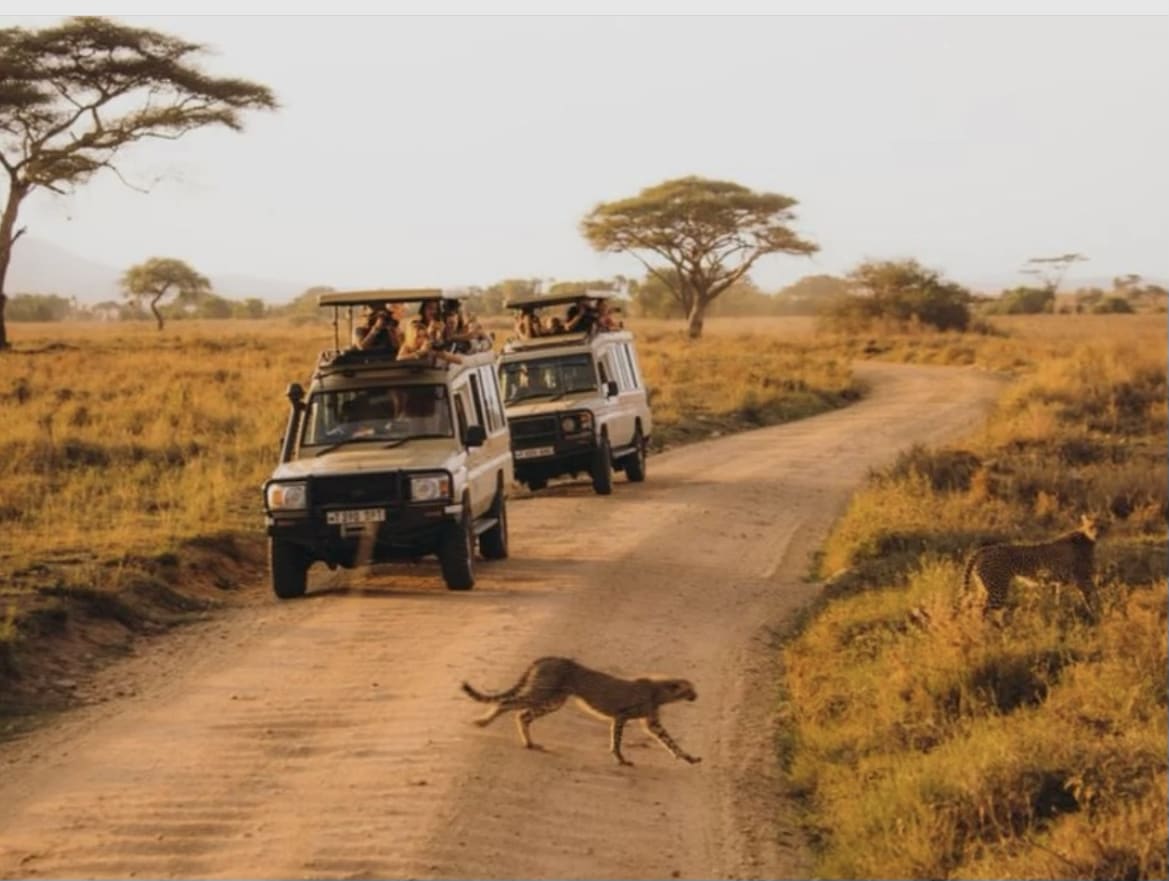
Tanzania's safari parks are home to Africa's iconic Big Five—lions, leopards, elephants, buffalo, and rhinos—along with countless other species. Tarangire National Park is particularly renowned for its large elephant populations and diverse birdlife. The Serengeti hosts predators like lions, cheetahs, and wild dogs, plus the spectacular Great Migration (seasonal). Ngorongoro Crater, being a closed ecosystem, concentrates wildlife viewing opportunities, making sightings of zebras, wildebeest, gazelles, and predators remarkably frequent. You'll also encounter giraffes, warthogs, hyenas, and numerous antelope species throughout the parks.
Yes, four days is sufficient for a concentrated and meaningful safari experience when strategically planned. A four-day itinerary allows you to visit multiple distinct ecosystems—each with different wildlife viewing opportunities and landscapes—rather than spending extended time in a single location. Multiple game drives across consecutive days provide genuine immersion and numerous wildlife encounters. The key is that the itinerary is designed to maximize diversity and wildlife density, so you experience the essence of Tanzania's safari heritage without unnecessary time commitment. Many travelers find four days offers the perfect balance between meaningful exploration and practical travel constraints.
Tanzania offers year-round wildlife viewing, but the dry seasons provide the most optimal conditions. The primary dry season runs from June to October, when animals concentrate around remaining water sources, making game viewing more productive and vegetation is sparse for better visibility. The secondary dry season spans January to February, offering similar advantages with fewer tourists. During the wet season (November-December and March-May), the landscape is lush and green, bird watching is excellent, and wildlife is more dispersed. The Great Migration in the Serengeti peaks from July to October as herds move through the ecosystem. Your choice depends on whether you prioritize dense wildlife viewing (dry season) or prefer fewer crowds and lush scenery (wet season).
Mid-range luxury safaris offer a sweet spot between comfort and value. These lodges provide well-appointed rooms with reliable amenities, clean facilities, and good quality bedding—ensuring comfortable rest after game drives. They feature experienced, professional guides and well-maintained vehicles. The service is attentive and knowledgeable without the ultra-premium pricing of exclusive luxury camps. Mid-range properties often have character and authenticity, sometimes set within or near park boundaries, providing genuine safari atmosphere. Ultra-luxury safaris offer more exclusive settings, personalized service, gourmet dining, and premium amenities, but at significantly higher cost. Budget safaris may compromise on comfort and guide quality. Mid-range luxury strikes the ideal balance for travelers seeking authentic safari experiences with quality comfort at accessible price points.
A typical safari day includes two game drives: an early morning drive (starting before sunrise) and an afternoon drive (starting in late afternoon). Early morning drives are often most productive, as wildlife is active during cooler temperatures and visibility is excellent. Afternoon drives allow animals to move again as temperatures cool. Some itineraries may include a midday break for rest and meals at your lodge. Night drives are sometimes available as optional activities, offering opportunities to spot nocturnal species. The specific number and timing of game drives depends on your itinerary and lodge location. Professional guides time drives strategically to maximize wildlife viewing opportunities based on animal behavior patterns and seasonal conditions.
Most international visitors require a visa to enter Tanzania, though requirements vary by nationality. Many countries can obtain a visa on arrival or through advance online applications. We recommend checking the Tanzanian government's official immigration website or your country's embassy for current requirements well before travel. Regarding vaccinations, yellow fever vaccination is recommended (and required if arriving from certain countries), and malaria prophylaxis is strongly advised for all regions, particularly during wet seasons. Typhoid, hepatitis A and B, and routine vaccinations are also commonly recommended. Consult with a travel medicine clinic 4-6 weeks before your trip for personalized health recommendations based on your medical history and the specific regions you'll visit. Travel insurance that covers medical evacuation is highly advisable.
Pack neutral, earth-toned clothing (khaki, tan, green, brown) that blends with the landscape and doesn't disturb wildlife. Bring lightweight, breathable fabrics for hot days and a warm layer for cool early mornings and evenings. Essential items include a wide-brimmed hat, high-SPF sunscreen, sunglasses, and a good quality camera with extra batteries and memory cards. Binoculars significantly enhance wildlife viewing. Comfortable walking shoes and sandals are practical. Insect repellent (DEET-based) is important for malaria prevention. Pack medications for common travel issues (anti-diarrheal, pain relief, antihistamines). A lightweight rain jacket is useful during shoulder seasons. Toiletries should include moisturizer, as the dry climate can be harsh on skin. Avoid bright colors, white, or black clothing. Bring a small daypack for game drives. Most lodges provide basic amenities, but confirm what's available. Leave room in your luggage for souvenirs, or pack light from the start.
Mid-range Tanzania safaris vary in price depending on season, lodge quality, and group size, but typically range from moderate to mid-premium pricing. Most inclusive packages cover park entrance fees, accommodation, all meals (breakfast, lunch, and dinner), professional English-speaking guides, private 4x4 safari vehicles, bottled water during game drives, and airport transfers. This comprehensive inclusion means you have predictable costs and fewer hidden expenses. Typically not included are international airfare, travel insurance, visa fees, alcoholic beverages, tips and gratuities for guides and staff, travel vaccinations, and optional activities beyond the core itinerary. Budget extra for personal expenses and tips (guides and staff typically appreciate 10-15% of the tour cost, split among the team). Booking during shoulder seasons (April-May or November) often offers better rates than peak season (June-October). Request detailed breakdowns from operators to understand exactly what's covered.
Each park offers distinct characteristics. Tarangire National Park is known for its massive elephant concentrations, particularly during dry seasons, and exceptional birding opportunities with over 500 bird species. The landscape features acacia woodlands and the scenic Tarangire River. The Serengeti is Tanzania's largest park, famous for endless golden plains, the Great Migration (seasonal), and excellent predator viewing including lions, cheetahs, and wild dogs. It offers the archetypal African wilderness experience with vast horizons. Ngorongoro Crater is geologically unique—Africa's largest intact caldera—creating a closed ecosystem where wildlife is densely concentrated in a relatively compact area. This concentration often delivers remarkable sightings in shorter timeframes. Ngorongoro is smaller and more intimate than the Serengeti but offers dramatic volcanic landscapes. Together, these three parks provide diverse ecosystems, landscapes, and wildlife viewing experiences within a single itinerary.
Potentially, yes—but it depends on timing and specific itinerary routing. The Great Migration is a seasonal phenomenon occurring primarily from June to October in the Serengeti, when massive herds of wildebeest and zebras move across the ecosystem in search of fresh grazing. A four-day itinerary that includes multiple days in the Serengeti during these months has good chances of witnessing migration activity. However, the migration is a natural event with unpredictable exact timing and location, so sightings aren't guaranteed even during peak season. The best approach is to book your safari during the dry season (June-October) when migration activity peaks, and work with experienced guides who understand migration patterns and current herd locations. Even if you don't witness the massive river crossings, you'll see enormous herds and dramatic predator-prey interactions. Outside of June-October, the migration is dispersed or in different regions, making sightings less likely.
© 2026 SafariFind. All rights reserved.
