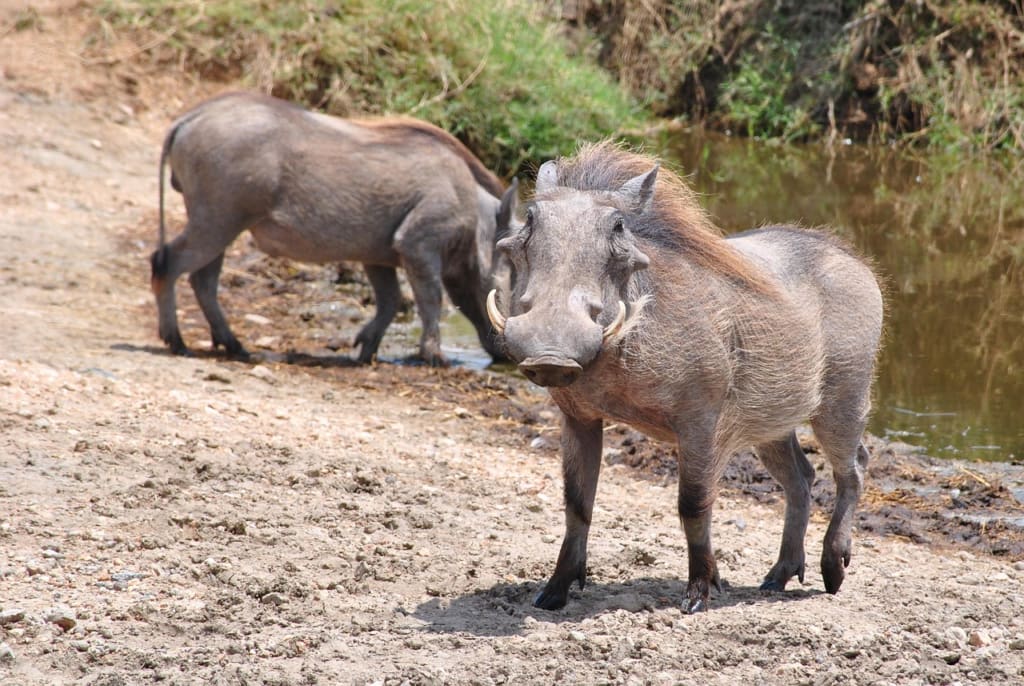
 1 / 4
1 / 4 4 daysshared
Loading SafariFind...
1 / 4Arusha → Tarangire National Park
Tarangire National Park
Meals: Dinner
Karatu → Serengeti National Park (Central Serengeti)
Serengeti National Park
Meals: Breakfast, Lunch, Dinner
Full Day Serengeti → Ngorongoro Area
Ngorongoro Crater
Meals: Breakfast, Lunch, Dinner
Ngorongoro Crater → Arusha
Arusha
Meals: Breakfast, Lunch, Dinner
Year Round
Year-round
| Season | 2 people |
|---|---|
Year Round Year-round | $2,170 |
Tarangire National Park is renowned for its exceptional wildlife viewing opportunities. The park is famous for its massive elephant herds—among the largest concentrations in Tanzania—which you'll often encounter around the Tarangire River, especially during the dry season. Beyond elephants, you can expect to see lions, giraffes, zebras, buffalo, wildebeest, and numerous antelope species. The park is also a birdwatcher's paradise, with over 500 bird species recorded there. The ancient baobab trees scattered throughout the landscape create a stunning backdrop for wildlife photography and create natural gathering points where animals congregate.
Yes, the Ngorongoro Crater offers an excellent chance to see the Big Five within a relatively compact area, which is quite rare in Africa. The crater is particularly known for its population of black rhinos, one of the most endangered species, making it one of the few places in Tanzania where you have a strong likelihood of spotting them. You'll also commonly encounter lions, leopards, elephants, and buffalo within the crater. The unique geography of the crater—a self-contained ecosystem—concentrates wildlife in a smaller space than typical national parks, improving your odds of multiple Big Five sightings during your visit.
The Great Migration in the Serengeti follows a predictable annual cycle driven by rainfall and grass availability. The best time to witness this spectacular event is typically between July and October, when massive herds of wildebeest and zebras migrate northward from the southern plains toward Kenya's Masai Mara in search of fresh grazing. During these months, you'll see dramatic river crossings and predator-prey interactions. However, the Serengeti offers excellent wildlife viewing year-round. The dry season (June to October) generally provides the best overall game viewing conditions, while the wet season (November to May) offers lush landscapes and excellent bird watching.
A 4-day safari is an ideal duration for experiencing the main highlights of northern Tanzania's most iconic parks—Tarangire, Serengeti, and Ngorongoro Crater. This timeframe allows you to spend meaningful time in each destination while keeping costs reasonable and fitting within typical vacation schedules. A 4-day itinerary gives you sufficient game drive time to encounter diverse wildlife and experience the landscape changes from one park to another. If you have more time, extending to 5-7 days would allow for additional game drives and a more relaxed pace, but 4 days provides an excellent introduction to Tanzania's northern safari circuit.
Packing appropriately ensures comfort and safety during your safari. Essential items include neutral-colored, lightweight clothing (khaki, olive, and earth tones help with wildlife viewing and sun protection), a wide-brimmed hat, sunglasses, and high-SPF sunscreen. Bring layers for early morning and evening game drives, as temperatures can drop significantly. Comfortable, closed-toe hiking boots are essential for walking on uneven terrain. Include binoculars for better wildlife viewing, a camera with extra batteries and memory cards, and any personal medications. Don't forget insect repellent for mosquitoes. Since accommodations are basic but comfortable, you won't need formal clothing. A lightweight rain jacket is useful during the rainy season. Check with your tour operator about specific recommendations based on the time of year you're traveling.
Yes, a 4x4 safari vehicle is essential for exploring Tanzania's national parks and conservation areas safely and effectively. These vehicles are specifically designed for off-road travel on unpaved terrain and provide elevated seating that offers superior wildlife viewing angles. A 4x4 allows your guide to navigate varied landscapes—from dense vegetation to open plains—and position you optimally for observing animals. The vehicles are also equipped to handle rough conditions and provide protection from the elements. Professional safari operators use well-maintained 4x4 vehicles with experienced drivers who know the parks intimately and understand how to approach wildlife responsibly without disturbing them.
Visa requirements for Tanzania depend on your nationality. Most visitors require a visa, which can be obtained on arrival at Kilimanjaro International Airport or applied for in advance at a Tanzanian embassy or online through the e-visa system. The tourist visa is typically valid for 90 days. However, visa requirements vary significantly by country, so it's essential to check the current requirements with the Tanzanian immigration authority or your nearest Tanzanian embassy before traveling. Additionally, your passport should be valid for at least 6 months beyond your travel dates. Some nationalities may be exempt from visa requirements, so verify your specific situation well in advance of your trip.
While specific vaccination requirements depend on your medical history and home country, several vaccinations are commonly recommended for Tanzania travel. Yellow fever vaccination is frequently advised, and proof of vaccination may be required depending on where you're traveling from. Malaria prophylaxis (preventative medication) is highly recommended, particularly for the northern safari circuit, as malaria is present in these regions. Consult with a travel health clinic or your doctor at least 4-6 weeks before your trip to receive personalized recommendations based on your health status and travel itinerary. They can advise on vaccinations for diseases such as typhoid, hepatitis A and B, and tetanus. Additionally, travel insurance that covers medical emergencies is strongly recommended for all safari travelers.
A typical budget safari package includes most essential components for a complete experience. Standard inclusions cover all national park entrance fees, accommodation in basic but comfortable tented camps or campsites, three meals daily (breakfast, lunch, and dinner), transportation in a shared 4x4 safari vehicle, and the services of a professional English-speaking guide. Bottled water during game drives is provided to keep you hydrated during long hours of wildlife viewing. Airport transfers to and from your starting point are typically included, as are government taxes and VAT. However, budget packages usually exclude international airfare, travel insurance, visa fees, alcoholic beverages, tips for guides and staff, personal expenses, and optional activities. Clarify the exact inclusions with your tour operator before booking.
The cost of a 4-day northern Tanzania safari varies depending on accommodation quality, group size, and season, but budget options are designed to be affordable while maintaining good quality. Budget safari packages typically range significantly lower than luxury options because they use shared vehicles, basic but clean accommodations, and group itineraries. Costs are generally lower during the low season (April-May and November) compared to peak season (July-October). Group bookings are usually more economical per person than private safaris. The quoted price typically includes most in-country expenses like park fees, meals, accommodation, and transportation, so your main additional costs are international flights, travel insurance, visa fees, tips, and personal items. Request detailed quotes from multiple operators to compare what's included in their pricing.
 Pumba ReisenArusha, Tanzania
© 2026 SafariFind. All rights reserved.