 1 / 41 / 4
Loading SafariFind...
1 / 4Arrival and Crater Introduction
Meals: Dinner
Deep Crater Exploration and Wildlife Immersion
Meals: Breakfast, Lunch, Dinner
Cultural Connection and Crater Perspectives
Meals: Breakfast, Lunch, Dinner
Final Perspectives and Departure
Meals: Breakfast, Lunch
High Season
Jun 2026 – Oct 2026
Low Season
Nov 2026 – May 2027
| Season | Solo traveler | 2 people | 3 – 4 people | 5 – 6 people | 7+ people | Child rate | Single suppl. |
|---|---|---|---|---|---|---|---|
High Season Jun 2026 – Oct 2026 | $6,930 | $4,620 | $4,160 | $3,930 | $3,700 | $3,230 | $1,390 |
Low Season Nov 2026 – May 2027 | $5,890 |
Child rate applies to travelers under 12 years. Single supplement applies to solo travelers taking their own room.
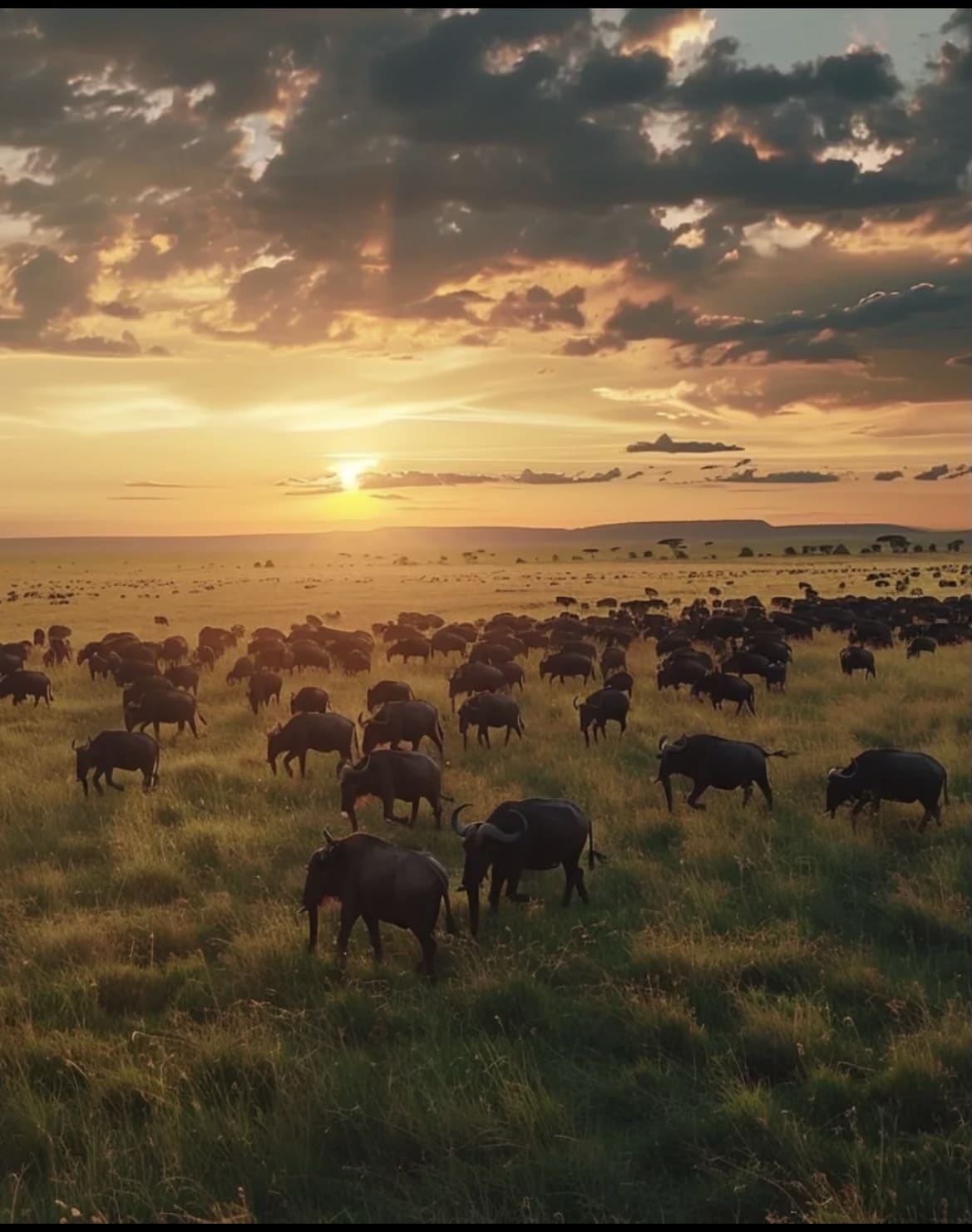
Crater ecosystems support remarkable concentrations of wildlife due to their enclosed geography, consistent water sources, and nutrient-rich soils. You can expect to encounter large herbivore herds including zebras, wildebeest, and buffalo, along with predators such as lions, leopards, and hyenas. Bird species are also abundant and diverse. The natural concentration of animals in a smaller area means you'll have significantly higher chances of meaningful encounters with Africa's most iconic species compared to larger, dispersed habitats.
Yes, four days is an excellent duration for an immersive safari, particularly when focused on a single concentrated ecosystem like a crater habitat. Rather than spreading your time across multiple destinations, four focused days allow you to complete multiple game drives during prime wildlife viewing hours (dawn and dusk), develop familiarity with the landscape and its inhabitants, and fully absorb the experience without feeling rushed. This timeframe balances meaningful wildlife exploration with the leisure to enjoy luxury accommodations and personalized service.
The best time for crater safari wildlife viewing is typically during dry seasons, when animals congregate around remaining water sources, creating exceptional viewing opportunities. Dry seasons vary by region but generally occur during specific months when rainfall is minimal. During these periods, wildlife density increases, vegetation is thinner (improving visibility), and animal behavior becomes more predictable. Your travel specialist can recommend the optimal dates based on the specific crater destination, current conditions, and your personal preferences for weather and comfort.
Essential items for a crater safari include lightweight, neutral-colored clothing suitable for early morning and evening game drives (temperatures can be cool), sun protection (hat, sunglasses, high-SPF sunscreen), binoculars for wildlife observation, a quality camera with extra batteries and memory cards, comfortable walking shoes, and layers for temperature changes. Pack toiletries, any personal medications, and insect repellent. Avoid bright colors or patterns that might disturb wildlife. Since your accommodation and meals are provided, focus on safari-specific items and personal essentials. Check with your operator for any specific recommendations based on the season and destination.
A crater safari is generally accessible to most fitness levels. The primary activity—game drives—requires only that you sit comfortably in a safari vehicle for extended periods, which most people can manage. Some itineraries may include optional walking safaris or hikes to scenic viewpoints, which can be customized to match your fitness level and preferences. If you have mobility concerns or specific physical limitations, inform your operator in advance so they can tailor your experience accordingly. The ultra-luxury nature of this safari means your comfort is prioritized, and activities can be adjusted to suit your needs.
Ultra-luxury crater safari packages typically include all park entrance fees, premium accommodation throughout your stay, all meals (breakfast, lunch, and dinner), private 4x4 safari vehicles for game drives, bottled water during excursions, and airport transfers. This comprehensive inclusion means your major expenses are covered, allowing you to focus entirely on the wildlife experience. However, items such as alcoholic beverages, international airfare, travel insurance, visa fees, tips and gratuities, and optional activities are usually separate. Check your specific package details to understand exactly what's included and what you'll need to arrange independently.
Visa and vaccination requirements depend on your nationality and the specific crater destination you're visiting. Most countries require travelers to check current visa requirements with their destination's embassy or consulate before booking. Regarding vaccinations, many African safari destinations recommend or require vaccinations such as yellow fever, malaria prophylaxis, and routine immunizations. However, specific requirements vary by location and your personal health history. Consult with your travel specialist and a travel health clinic 4-6 weeks before your departure to understand requirements, recommendations, and any health precautions relevant to your destination.
Expert safari guides possess deep ecological knowledge, years of field experience, and intimate familiarity with local wildlife behavior and habitat patterns. They enhance your experience by locating animals efficiently, explaining ecosystem dynamics and animal behavior, identifying bird and plant species, sharing conservation insights, and crafting narratives that transform simple observations into unforgettable stories. A skilled guide can position your vehicle for optimal photography, anticipate animal movements, and provide context that deepens your appreciation for what you're witnessing. The difference between a good safari and an exceptional one often comes down to guide expertise, making this one of the most valuable aspects of an ultra-luxury safari experience.
A single-destination crater safari offers distinct advantages over multi-destination tours. Rather than spreading your time across several locations, you develop deep familiarity with one concentrated ecosystem, allowing you to understand its patterns, recognize individual animals, and appreciate subtle ecological dynamics. Crater habitats naturally concentrate wildlife in smaller areas, dramatically increasing encounter frequency and quality. You also minimize travel time and logistical disruptions, maximizing actual wildlife viewing hours. This focused approach, combined with ultra-luxury comfort, creates a more immersive and restorative experience—ideal for travelers who value depth of experience and quality over the breadth of visiting multiple destinations.
Crater ecosystems offer exceptional conditions for both photography and wildlife observation. Their enclosed geography and natural water sources create high concentrations of animals in a relatively compact area, increasing encounter frequency and predictability. The varied topography—crater walls, floors, and viewpoints—provides diverse photographic angles and lighting opportunities. Many crater habitats feature dramatic geological formations that create stunning backdrops for wildlife images. The diversity of habitats within a crater (grasslands, woodlands, water sources) attracts varied species, ensuring visual interest throughout your stay. Additionally, the relatively confined space means animals are often closer and more accessible than in vast open ecosystems, resulting in more intimate and detailed photographic and observational opportunities.
© 2026 SafariFind. All rights reserved.
| $3,930 |
| $3,530 |
| $3,340 |
| $3,140 |
| $3,230 |
| $1,390 |
