 1 / 51 / 5
Loading SafariFind...
1 / 5Arrival – Sightseeing Addis (The new Flower)
Addis Ababa
Meals: Dinner
Fly Addis – Mekele – Drive Hawzen
Mekelle
Meals: Breakfast, Lunch, Dinner
Excursion to Debre Tsion Mariam & Yohannes Makudi
Tigray
Meals: Breakfast, Lunch, Dinner
Excursion to Abune Yemata
Tigray
Meals: Breakfast, Lunch, Dinner
Drive Hawzen – Mekele – Fly Addis
Addis Ababa
Meals: Breakfast
Year Round
Year-round
| Season | 2 people |
|---|---|
Year Round Year-round | $1,760 |
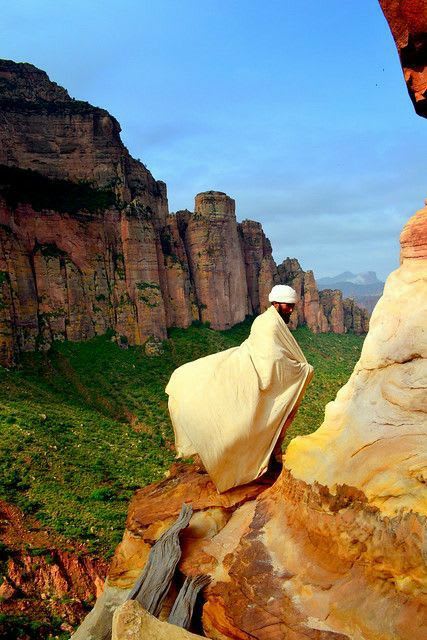
October through March offers the most favorable conditions for visiting Tigray's rock-hewn churches. During this period, you'll experience cooler temperatures, lower rainfall, and optimal accessibility to remote church sites. The landscape is particularly lush following the rainy season, creating stunning scenery for your journey through the highlands. This window also coincides with better road conditions, making travel to isolated churches safer and more comfortable.
Most of Tigray's rock-hewn churches are accessible to travelers with moderate fitness levels. While some sites require climbing steep stone steps or descending into underground chambers carved into the rock, most visits can be tailored to your physical comfort. Your local guide will assess the terrain and offer alternatives or modifications based on your abilities. The journey is more about patience and cultural immersion than strenuous hiking, though comfortable walking shoes and good physical conditioning are recommended.
Yes, many of Tigray's rock-hewn churches remain active places of worship rather than purely historical monuments. They continue to serve the Ethiopian Orthodox Christian community, and you may encounter pilgrims, monks, and religious ceremonies during your visit. This living spiritual context adds profound authenticity to the experience, allowing you to witness centuries-old traditions in their natural setting. Some churches host significant religious festivals throughout the year, particularly during Ethiopian Orthodox Christian celebrations.
Modest dress is essential when visiting Tigray's rock-hewn churches, as these are active religious sites. You should wear clothing that covers your shoulders and knees out of respect for the spiritual significance of these spaces. Long pants or skirts and shirts with sleeves are recommended. Additionally, be prepared for varied terrain and weather—comfortable walking shoes with good grip are important for navigating stone steps and mountain paths. Your guide will provide specific dress codes for each church, ensuring you engage respectfully with these sacred communities.
A comprehensive 5-day journey through Tigray allows you to visit multiple UNESCO World Heritage rock-hewn churches while also acclimating to the region's altitude and culture. This duration provides adequate time to travel from Addis Ababa to Mekelle, explore the major church sites in the highlands, and experience the living traditions of local communities. Five days balances deep cultural immersion with manageable travel logistics, though some visitors extend their stay to explore additional remote sites.
Tigray's rock-hewn churches are extraordinary because they were carved directly into living rock rather than built atop mountains—a feat that required remarkable devotion, engineering skill, and centuries of labor. These structures represent over 1,500 years of continuous Christian tradition and are recognized as UNESCO World Heritage sites. The intricate religious iconography, underground sanctuaries, and centuries-old frescoes tell profound stories of pilgrimage, martyrdom, and faith. Unlike many historical religious monuments, these churches remain vibrant spiritual centers, making them living testaments to Ethiopian Orthodox Christianity rather than purely archaeological sites.
Visa requirements for Ethiopia depend on your nationality. Most visitors require a visa, which can typically be obtained on arrival at Addis Ababa's international airport or applied for in advance through an Ethiopian embassy. We recommend checking the official Ethiopian government website or contacting your nearest Ethiopian embassy for current requirements specific to your country. Additionally, it's advisable to verify any travel advisories or security updates for the Tigray region before booking your journey, as conditions can change.
Before traveling to Tigray, consult with a travel health clinic at least 4-6 weeks before your departure. Common recommendations for Ethiopia include vaccinations for Yellow Fever, Typhoid, and Hepatitis A, as well as malaria prophylaxis depending on the season and specific areas you'll visit. Tigray's highland regions have lower malaria risk than lower-altitude areas. Ensure your routine vaccinations (MMR, Tetanus, etc.) are current. Carry a comprehensive travel medical kit and travel insurance that covers medical evacuation. Your guide and accommodation providers can offer additional health guidance specific to the areas you'll explore.
A comprehensive Tigray tour typically includes professional English-speaking local guides who provide historical and cultural context, private 4x4 transportation suitable for highland terrain, accommodation in mid-range lodges, all meals (breakfast, lunch, and dinner), bottled water, park entrance fees to the church sites, and airport transfers. This allows you to focus entirely on the spiritual and historical experience without logistical concerns. However, international airfare, travel insurance, visa fees, vaccinations, and gratuities are typically arranged separately, giving you flexibility in these arrangements.
Photography policies vary by church and can change based on ongoing restoration work or religious observances. Some churches allow photography in certain areas but restrict it in sanctuaries or during active worship. Out of respect for the sacred nature of these sites and the communities that use them, always ask your guide before photographing. Some areas may require special permission or modest fees. Your local guide will provide specific protocols for each church, ensuring you capture memories while maintaining cultural sensitivity and respecting the spiritual significance of these ancient spaces.
© 2026 SafariFind. All rights reserved.
