5 daysprivate
5-Day 5 Day Masai Mara, Lake Nakuru -Naivasha Group
Highlights
- Big Five Game drives
- Witness wildebeest migration
Loading SafariFind...
Arrival to Masai Mara
Maasai Mara National Reserve
Meals: Lunch, Dinner
Full Day Exploration of the Maasai Mara
Maasai Mara National Reserve
Meals: Breakfast, Lunch, Dinner
Maasai Mara to Lake Nakuru
Lake Nakuru National Park
Meals: Breakfast, Lunch, Dinner
Lake Nakuru to Lake Naivasha
Lake Naivasha
Meals: Breakfast, Lunch, Dinner
Lake Naivasha to Nairobi
Nairobi
Meals: Breakfast
Year Round
Year-round
| Season | Solo traveler | 2 people | 3 – 4 people | 5 – 6 people | 7+ people | Child rate | Single suppl. |
|---|---|---|---|---|---|---|---|
Year Round Year-round | $1,330 | $880 | $800 | $750 | $710 | $620 | $270 |
Child rate applies to travelers under 12 years. Single supplement applies to solo travelers taking their own room.
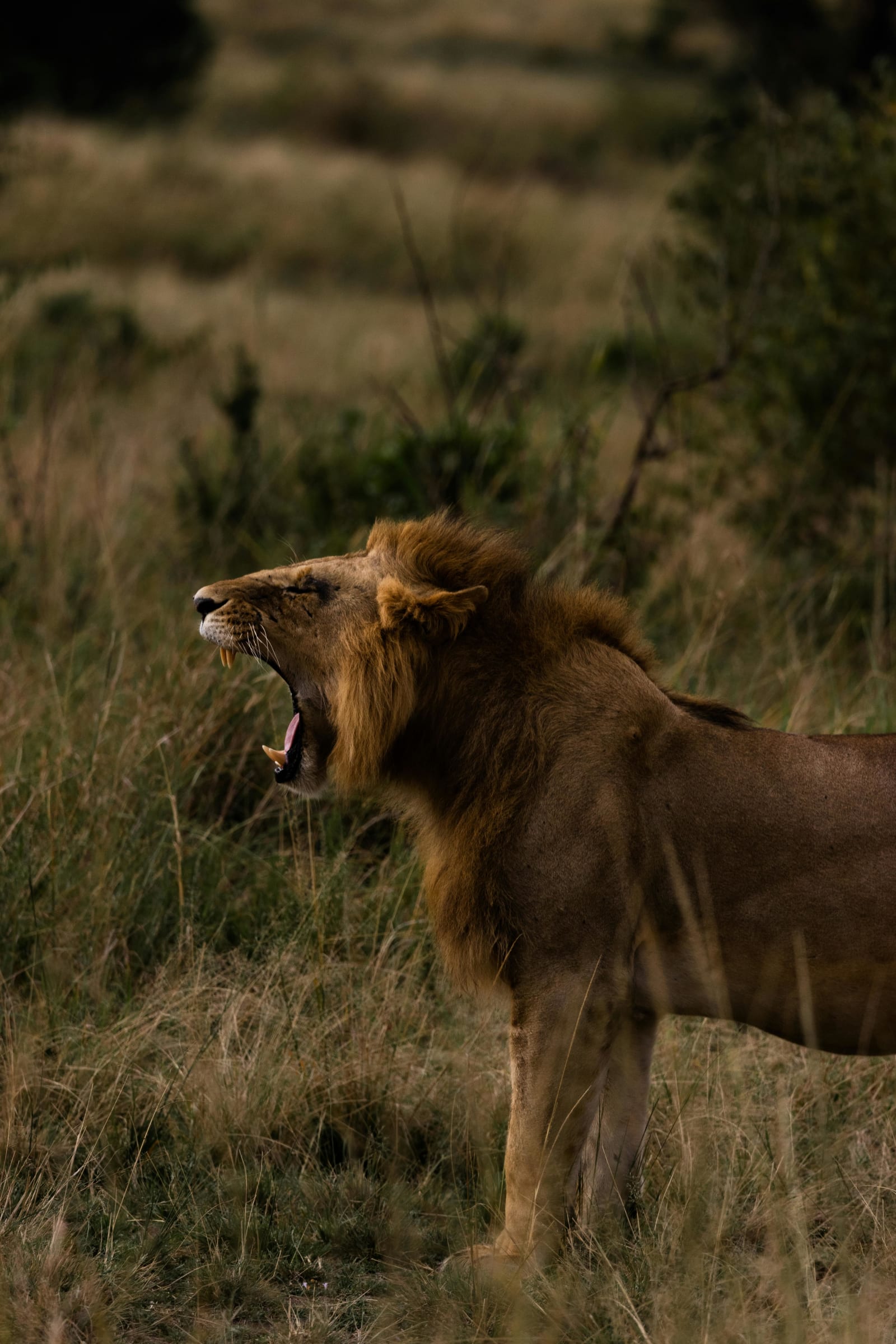
The Masai Mara is renowned for hosting Africa's iconic Big Five: lions, elephants, buffalo, leopards, and rhinoceros. Beyond these flagship species, you'll encounter zebras, giraffes, wildebeest, antelopes, hyenas, cheetahs, and numerous bird species. The reserve's diverse ecosystems support over 450 bird species, making it a paradise for both wildlife and bird enthusiasts. During the Great Migration season (July-October), you can witness one of nature's most spectacular events as millions of wildebeest and zebras traverse the plains.
Yes, 5 days is an excellent duration for a comprehensive Kenya safari experience. This timeframe allows you to spend quality time in multiple ecosystems—the Masai Mara's savannahs and the Rift Valley's unique alkaline and freshwater lakes. With 2 full days dedicated to game drives in the Masai Mara and additional time exploring Lake Nakuru and Lake Naivasha, you'll have sufficient opportunities to spot wildlife, experience different landscapes, and understand the region's ecological diversity. Most travelers find 5 days strikes the perfect balance between immersion and practicality.
The Masai Mara is exceptional year-round, but the best time depends on your priorities. July to October offers the Great Migration, where massive herds of wildebeest and zebras cross the reserve, providing dramatic wildlife viewing. January to March is the calving season, ideal for witnessing predator-prey interactions and newborn animals. June to August brings cooler temperatures and lush landscapes. The dry seasons (January-February and June-September) generally offer the best game viewing as animals concentrate around water sources. Even during the rainy seasons (April-May and November-December), wildlife remains abundant and accommodations are less crowded.
The Great Rift Valley is a massive geological formation stretching across East Africa, characterized by dramatic escarpments, volcanic landscapes, and a chain of alkaline and freshwater lakes. This region is crucial for safari experiences because it creates diverse ecosystems that support distinct wildlife populations. Lake Nakuru is famous for its flamingo populations and rhino conservation efforts, while Lake Naivasha offers freshwater environments with hippos, waterfowl, and different vegetation than the savannahs. The valley's unique geography provides stunning scenic backdrops and allows you to experience multiple habitat types—from open plains to lake ecosystems—within a single safari journey.
Pack neutral-colored, lightweight clothing in layers since temperatures vary between early mornings, midday heat, and evenings. Essentials include a wide-brimmed hat, sunscreen (SPF 50+), sunglasses, closed-toe hiking boots, and binoculars for wildlife viewing. Bring a light jacket or fleece for early morning game drives. A camera with a good zoom lens and extra batteries are invaluable. Don't forget toiletries, any personal medications, and insect repellent. Neutral colors (khaki, tan, green) are preferred over bright colors that may startle wildlife. Comfortable walking shoes are important for lodge activities. While most accommodations provide basic amenities, consider bringing your preferred toiletries. Check your airline's baggage allowance, as wildlife photography often requires additional camera equipment.
Visa requirements for Kenya depend on your nationality. Many countries' citizens can obtain a visa on arrival at Jomo Kenyatta International Airport in Nairobi or apply online through Kenya's e-visa system before travel. Some nationalities qualify for visa-free entry for up to 90 days. It's essential to check the current requirements with the Kenyan embassy or official government website for your specific country, as regulations can change. Most travelers should apply at least 2-4 weeks before departure to allow processing time. Ensure your passport is valid for at least 6 months beyond your travel dates. Additionally, check if yellow fever vaccination is required or recommended for entry.
While specific vaccination requirements depend on your medical history and origin country, the CDC and WHO generally recommend vaccinations for yellow fever, typhoid, and routine immunizations before visiting Kenya. Malaria prophylaxis is strongly advised, particularly for the Masai Mara and Rift Valley regions. Consult your travel health clinic 4-6 weeks before departure to receive personalized recommendations based on your itinerary and health status. Yellow fever vaccination may be required for entry if you're coming from certain countries. Ensure routine vaccinations (MMR, tetanus, polio) are current. Your healthcare provider can also advise on altitude acclimatization strategies, as some areas are at higher elevations. Travel insurance that covers medical evacuation is highly recommended.
Most comprehensive safari packages include three meals daily—breakfast, lunch, and dinner—prepared at your accommodations or provided during game drives. Breakfast is typically served early before morning game drives and includes fruits, cereals, eggs, and bread. Lunch is often a packed meal enjoyed in the field or at the lodge. Dinner is a more substantial meal served at your accommodation. Bottled water is provided throughout the day during game drives to keep you hydrated. However, note that alcoholic beverages are typically not included and must be purchased separately. Coffee, tea, and soft drinks may be available at lodges. It's advisable to confirm specific meal arrangements with your operator, as some packages may offer flexibility or special dietary accommodations upon request.
The cost of a 5-day Kenya safari varies significantly based on accommodation quality, season, and operator. Budget safaris typically range from $1,500-$2,500 per person, mid-range options from $2,500-$5,000, and luxury safaris from $5,000-$15,000+ per person. These estimates generally include park fees, accommodation, meals, game drives, and a professional guide. Peak season (July-October and December-January) commands higher prices than shoulder seasons. The number of travelers also affects per-person costs, as group safaris are more economical than private arrangements. Additional expenses not typically included are international flights, travel insurance, visa fees, tips, alcoholic beverages, and optional activities like hot air balloon rides. Request detailed quotes from multiple operators and compare what's included to understand true value.
Lake Nakuru and Lake Naivasha are two distinct Rift Valley lakes with different characteristics. Lake Nakuru is an alkaline lake famous for its massive flamingo populations, which feed on algae thriving in the salty waters. It's smaller and shallower, and has been a critical conservation area for black and white rhinoceros. The lake's color can shift from pink to white depending on flamingo populations and algae blooms. Lake Naivasha, by contrast, is a freshwater lake surrounded by lush vegetation, making it ideal for hippos, waterfowl, and diverse birdlife. It's larger and deeper, offering boat ride opportunities and different ecosystem dynamics. Together, these lakes showcase the Rift Valley's ecological diversity—one alkaline and one freshwater—providing contrasting safari experiences within a single journey and illustrating how geology shapes wildlife distribution.
 Mara Whisper SafarisNairobi, Kenya5.0(4 reviews)
© 2026 SafariFind. All rights reserved.