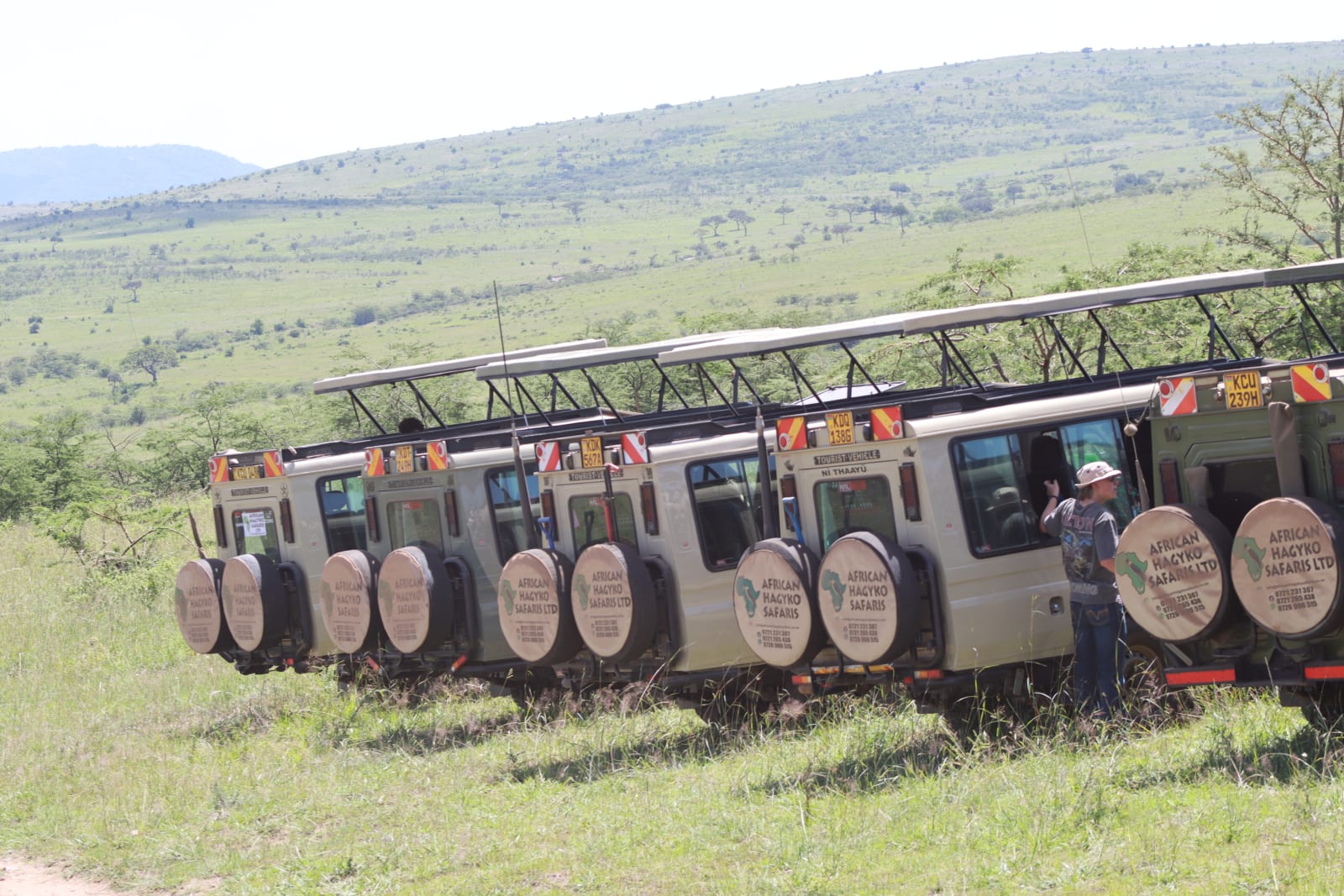
 1 / 5
1 / 5 5 daysprivate
5-Day Lake Nakuru, Masai Mara & Lake Naivasha Safari
Highlights
- Big five
Loading SafariFind...
1 / 5Day 1: Nairobi – Lake Nakuru National Park
Lake Nakuru National Park
Meals: Lunch, Dinner
Day 2: Lake Nakuru – Masai Mara National Reserve
Masai Mara National Reserve
Meals: Breakfast, Lunch, Dinner
Day 3: Full Day in Masai Mara National Reserve
Masai Mara National Reserve
Meals: Breakfast, Lunch, Dinner
Day 4: Masai Mara – Lake Naivasha
Lake Naivasha
Meals: Breakfast, Lunch, Dinner
Day 5: Lake Naivasha – Nairobi
Nairobi
Meals: Breakfast
Peak season
Jul 1 – Sep 30
Peak season
Oct 1 – Oct 31
Green season
Nov 1 – Dec 31
| Season | 2 people |
|---|---|
Peak season Jul 1 – Sep 30 | $3,210 |
Peak season Oct 1 – Oct 31 | $2,930 |
Green season Nov 1 – Dec 31 | $2,810 |
The Masai Mara is home to an incredible variety of wildlife, including the Big Five (lion, leopard, rhino, elephant, and buffalo), as well as giraffes, zebras, wildebeest, cheetahs, hyenas, and numerous bird species. The reserve is particularly famous for its large predator populations and the annual Great Migration, when millions of wildebeest and zebras traverse the landscape. Game drives through the Masai Mara offer excellent opportunities to encounter these animals in their natural habitat, with sightings varying based on the season and your guide's expertise.
The best time to visit depends on what you want to experience. The dry seasons (June to October and January to February) offer the best wildlife viewing, as animals congregate around water sources and vegetation is sparse, making them easier to spot. The Great Migration typically reaches the Masai Mara between July and October. However, the wet seasons (March to May and November to December) bring lush landscapes, fewer tourists, and excellent bird watching. Each season offers unique advantages, so consider your priorities when planning your trip.
A 5-day safari provides an excellent balance for experiencing Kenya's major attractions and wildlife. This duration allows you to spend meaningful time in multiple ecosystems—such as Lake Nakuru, the Masai Mara, and Lake Naivasha—and increases your chances of encountering diverse wildlife. While shorter 2-3 day safaris are possible, they offer limited time for exploration. Longer safaris of 7+ days allow for deeper immersion and more comprehensive wildlife viewing. Five days is ideal for first-time visitors who want to see the highlights without an extended time commitment.
Pack neutral-colored, lightweight clothing suitable for warm days and cool mornings and evenings. Essentials include long-sleeved shirts and pants (to protect from sun and insects), a warm layer or fleece for early morning game drives, a wide-brimmed hat, sunglasses, and comfortable walking shoes. Bring high-SPF sunscreen, insect repellent, and any personal medications. A camera with a good zoom lens is highly recommended for wildlife photography. Don't forget binoculars, a reusable water bottle (drinking water is provided), and any toiletries you may need. Check with your operator regarding specific recommendations for the destinations you'll visit.
Yes, Lake Nakuru National Park is known for its rhino population, particularly black rhinos, making it one of the best places in Kenya to see these endangered animals. The park has implemented successful conservation efforts to protect its rhino population. You'll have good opportunities to spot rhinos during game drives through the park. Lake Nakuru is also famous for its flamingos, which create stunning pink landscapes around the lake, along with other wildlife including lions, leopards, buffalo, and various bird species.
Lake Naivasha is a freshwater lake in Kenya's Great Rift Valley, renowned for its scenic beauty and diverse birdlife. The lake is home to over 400 bird species, making it a paradise for bird watchers. You'll also find hippos, giraffes, zebras, and various antelope species in the surrounding area. Lake Naivasha offers a more tranquil experience compared to the intense game drives of the Masai Mara, with opportunities for boat safaris to spot hippos and water birds. The lake's lush vegetation and peaceful setting provide a perfect complement to the wildlife-focused portions of a Kenya safari.
Visa requirements for Kenya depend on your nationality. Many countries' citizens can obtain a visa on arrival or apply for an e-visa online before traveling. However, requirements vary significantly by country. It's essential to check the official Kenyan government immigration website or contact your nearest Kenyan embassy or consulate well in advance of your trip to determine your specific visa requirements. Additionally, ensure your passport is valid for at least six months beyond your travel dates, as this is typically required for entry into Kenya.
Game drives typically last 3-4 hours in the morning and 2-3 hours in the afternoon or evening, though durations can vary based on wildlife sightings and park regulations. Morning drives are generally more productive, as animals are more active during cooler temperatures. Your professional driver guide will navigate the terrain, locate wildlife, and provide expert commentary about the animals and ecosystems you encounter. The frequency and timing of game drives depend on your safari itinerary, but most multi-day safaris include at least two drives per day. Your guide's experience and knowledge significantly enhance the quality of your wildlife viewing experience.
A comprehensive Kenya safari package typically includes professional driver guide services, accommodations, meals, and game drives in national parks and reserves. Many packages also provide drinking water during excursions and evacuation cover for emergencies. However, inclusions vary by operator and package level. International and domestic flights are often excluded and booked separately. It's important to review your specific package details carefully to understand what's covered, including accommodation types, meal plans, and whether activities like boat safaris or guided walks are included. Ask your operator about any additional costs or optional activities available.
Kenya is a popular and well-established safari destination with a strong tourism infrastructure and experienced operators. Most safari experiences are safe when you follow basic precautions and travel with reputable tour operators. Your professional driver guide is trained in safety protocols and wildlife behavior. As with any travel, it's wise to check current travel advisories from your government, practice standard travel safety measures, and stay informed about the regions you'll visit. Traveling during peak season often means more tourists and established safety measures. Consider purchasing travel insurance that covers medical evacuation, which provides additional peace of mind during your safari adventure.
 African Hagyko SafarisNairobi, Kenya5.0(75 reviews)
© 2026 SafariFind. All rights reserved.