 1 / 7
1 / 7 5 daysprivate
5-Day Lake Nakuru, Masai Mara & Lake Naivasha Safari
Highlights
- Big five animals
Loading SafariFind...
1 / 7Day 1: Nairobi – Lake Nakuru National Park
Lake Nakuru National Park
Meals: Lunch, Dinner
Day 2: Lake Nakuru – Masai Mara National Reserve
Masai Mara National Reserve
Meals: Breakfast, Lunch, Dinner
Day 3: Full Day in Masai Mara National Reserve
Masai Mara National Reserve
Meals: Breakfast, Lunch, Dinner
Day 4: Masai Mara – Lake Naivasha
Lake Naivasha
Meals: Breakfast, Lunch, Dinner
Day 5: Lake Naivasha – Nairobi
Nairobi
Meals: Breakfast
Season 2
Jul 1 – Aug 31
Season 3
Sep 1 – Oct 31
Season 4
Nov 1 – Dec 20
| Season | 2 people |
|---|---|
Season 2 Jul 1 – Aug 31 | $2,210 |
Season 3 Sep 1 – Oct 31 | $2,210 |
Season 4 Nov 1 – Dec 20 | $1,980 |
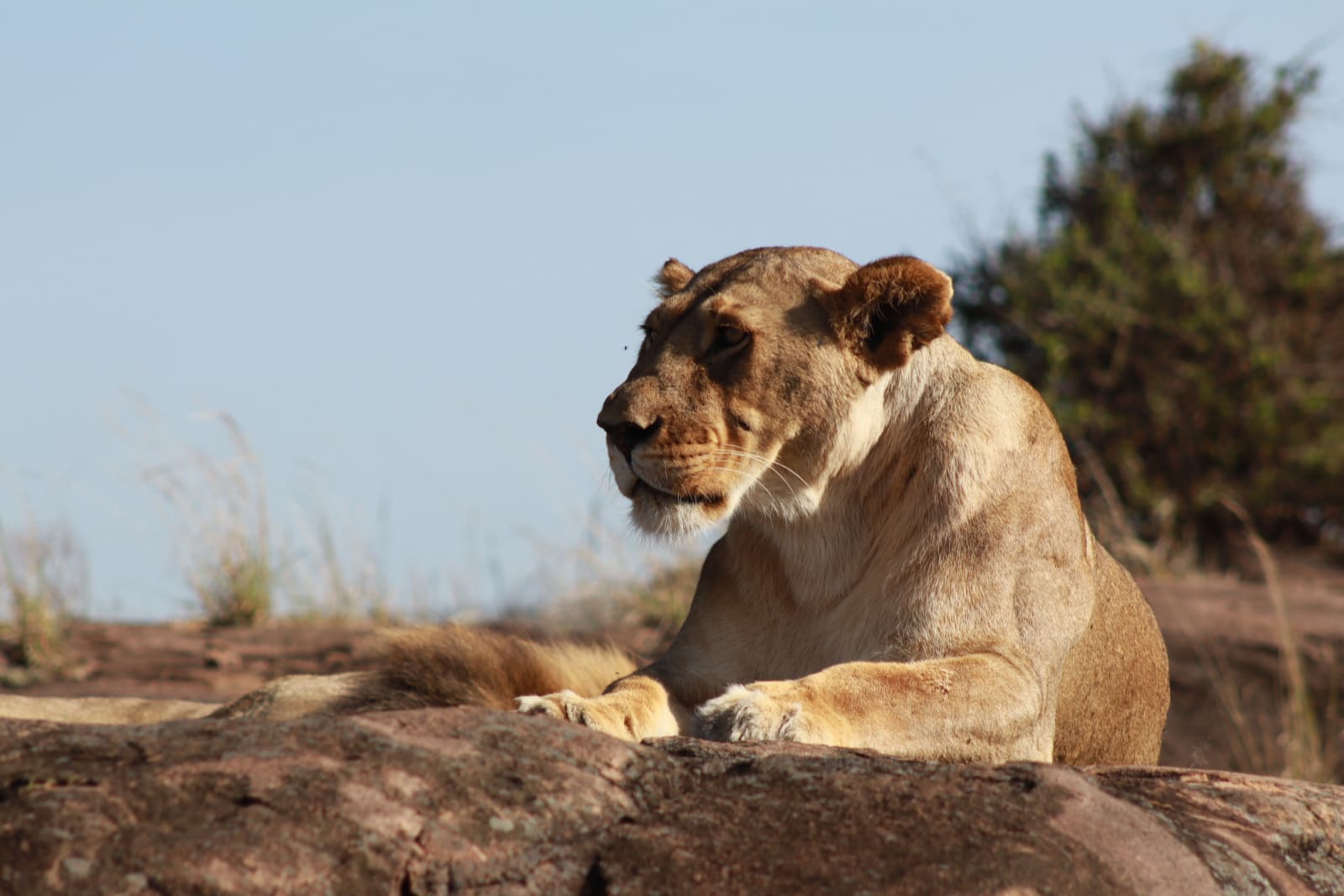
The Masai Mara is home to an incredible array of wildlife, including the Big Five (lions, elephants, buffalo, leopards, and rhinoceros), zebras, giraffes, wildebeest, antelopes, hyenas, and cheetahs. The reserve is particularly famous for its large predator populations and is one of the best places in Africa to witness these magnificent creatures in their natural habitat. Birdwatchers will also be delighted, as the Mara hosts over 450 bird species, making it a paradise for ornithology enthusiasts.
The ideal time to visit is during the dry seasons: June to October (the main season) and January to February (the short dry season). During these periods, wildlife congregates around water sources, making game viewing excellent. June to October is particularly popular due to the Great Migration, when millions of wildebeest and zebras move through the ecosystem. However, the parks are accessible year-round, and the wet seasons (March-May and November-December) offer lush landscapes, fewer tourists, and excellent birdwatching opportunities.
A 5-day safari is an excellent duration for experiencing Kenya's major attractions and increasing your chances of seeing the Big Five. This timeframe allows you to spend multiple days in prime game-viewing areas like the Masai Mara, where concentrated wildlife populations make Big Five sightings more likely. While it's possible to see the Big Five in shorter safaris, 5 days provides sufficient time for multiple game drives, different locations, and varied viewing opportunities that maximize your wildlife encounters.
Essential safari packing includes neutral-colored clothing (khaki, tan, green, and brown) to blend with the landscape, lightweight layers for temperature changes, a wide-brimmed hat, sunglasses, and high-SPF sunscreen. Bring comfortable walking shoes and closed-toe boots for game drives and lodge activities. Don't forget binoculars, a camera with extra batteries and memory cards, insect repellent, and any personal medications. Pack light, as luggage space in safari vehicles is limited. A light rain jacket is useful during rainy seasons, and consider bringing a headlamp or flashlight for evening activities at your lodge.
Yes, Lake Nakuru is exceptional for birdwatching and is particularly famous for its flamingo populations, which can number in the thousands and create stunning pink-hued landscapes. Beyond flamingos, the lake and its surrounding national park host over 400 bird species, including eagles, storks, herons, kingfishers, and many others. The diverse habitats—including acacia woodlands, cliffs, and wetlands—support a wide variety of avian life. Whether you're a serious birder or a casual wildlife enthusiast, Lake Nakuru offers remarkable birdwatching opportunities throughout the year.
Lake Nakuru and Lake Naivasha are distinct ecosystems in Kenya's Rift Valley. Lake Nakuru is a shallow, alkaline soda lake famous for its massive flamingo populations and is protected within a national park, making it ideal for game drives and wildlife viewing. Lake Naivasha, by contrast, is a freshwater lake surrounded by lush vegetation and is known for its hippos, birdlife, and scenic beauty. Naivasha is popular for boat trips, walking safaris, and relaxation. Together, they offer complementary experiences: Nakuru for concentrated game viewing and flamingos, and Naivasha for water-based activities and tranquil landscapes.
Visa requirements for Kenya depend on your nationality. Many countries' citizens can obtain an e-visa online before travel or receive a visa on arrival at Kenyan airports, though this varies by country. It's essential to check the current requirements with the Kenyan immigration authority or your nearest Kenyan embassy well in advance of your trip. Most visitors need a passport valid for at least six months beyond their intended stay. Additionally, ensure your vaccinations are current and check any health advisories for the regions you'll be visiting.
Safari costs in Kenya vary widely based on accommodation type, season, and included services. Budget safaris can range from $1,500 to $3,000 per person, mid-range options typically fall between $3,000 and $6,000, while luxury safaris can exceed $6,000 to $15,000+ per person. Prices generally include accommodation, game drives, professional guide services, and meals, but may exclude international flights and domestic flights. Peak season (June-October) is more expensive than shoulder or low seasons. It's worth comparing packages and checking what's included to ensure you're getting the best value for your budget and preferences.
Standard safari packages typically include accommodation at lodges or camps, professional guided game drives in safari vehicles, meals (breakfast, lunch, and dinner), and drinking water. Many packages also cover park entrance fees, vehicle use during game drives, and the expertise of experienced driver-guides. However, inclusions vary by operator and package tier. International and domestic flights are usually excluded and booked separately. Additional activities like hot air balloon rides, walking safaris, or premium experiences may cost extra. Always review the specific inclusions and exclusions of your chosen package before booking.
Game drives are the primary and most effective way to see wildlife on a Kenya safari, typically conducted in open-sided or pop-up roof vehicles that provide excellent visibility and photography opportunities. Early morning and late afternoon drives are best, as wildlife is most active during cooler temperatures. Hiring an experienced, knowledgeable guide significantly enhances your experience, as they understand animal behavior and know where to find specific species. Patience is essential—wildlife viewing is unpredictable, but spending multiple days in prime locations increases your chances of memorable encounters. Some lodges also offer walking safaris, boat trips, or hot air balloon rides for varied perspectives.
 African Hagyko SafarisNairobi, Kenya5.0(75 reviews)
© 2026 SafariFind. All rights reserved.