5 daysprivate
5-Day Albertine Rift Birding Safari– Shoebill & Endemics
Highlights
- ultimate birding
- Shoebill birding
Loading SafariFind...
Arrival in Entebbe & Birding in Mabamba Wetland (Shoebill Search)
Meals: Dinner
Transfer to Bwindi Impenetrable National Park via Scenic Highlands (Birding En Route)
Meals: Breakfast, Lunch, Dinner
Full Birding in Ruhija (Mubwindi Swamp & Endemics)
Meals: Breakfast, Lunch, Dinner
Birding Echuya Forest & Lake Bunyonyi
Meals: Breakfast, Lunch, Dinner
Return to Entebbe & Departure
Meals: Breakfast
Year Round
Year-round
| Season | Solo traveler | 2 people | 3 – 4 people | 5 – 6 people | 7+ people | Child rate | Single suppl. |
|---|---|---|---|---|---|---|---|
Year Round Year-round | $2,970 | $1,980 | $1,780 | $1,680 | $1,580 | $1,390 | $590 |
Child rate applies to travelers under 12 years. Single supplement applies to solo travelers taking their own room.
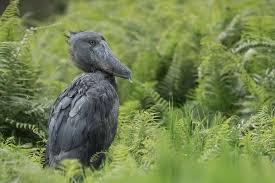
The Shoebill is one of Africa's most prehistoric and elusive birds, known for its massive bill and stork-like appearance. It's primarily found in the Mabamba Wetland, located near Entebbe in Uganda. This freshwater swamp is one of the best places in the world to encounter this rare species. Spotting a Shoebill requires patience and early morning boat expeditions through the wetland, as they are solitary birds that inhabit papyrus marshes. The Mabamba Wetland is a Ramsar site of international importance and offers visitors an unforgettable experience searching for this iconic bird.
Albertine Rift endemics are bird species found exclusively in the mountainous regions along the Albertine Rift Valley in East Africa, particularly in Uganda and the Democratic Republic of Congo. This region is considered one of Africa's most important birding hotspots because it contains the highest concentration of endemic species on the continent. Birds like Grauer's Broadbill, Regal Sunbird, and Handsome Francolin are found nowhere else in the world. The misty highlands of Bwindi Impenetrable National Park and Ruhija are prime locations for encountering these rare species, making them essential destinations for serious birders and ornithologists.
The best time for birding in Bwindi and Ruhija is during the dry seasons: June to August and December to February. During these months, vegetation is less dense, making it easier to spot birds, and weather conditions are generally more favorable for hiking through the forests. However, these highlands receive rain year-round, so the region remains productive for birding throughout the year. The misty conditions during wetter months can actually enhance the birding experience for certain species. Early morning birding sessions, starting before dawn, offer the highest chances of spotting endemic species as birds are most vocal and active at this time.
Birding in Bwindi Impenetrable National Park requires a moderate to good level of fitness. The terrain is hilly and forested with uneven paths, steep sections, and muddy trails, especially during rainy seasons. Walks typically range from 2 to 5 hours depending on the specific birding route and your pace. The dense forest canopy makes spotting birds challenging, requiring patience and keen observation skills. However, professional birding guides are experienced in navigating the terrain and locating endemic species. Wearing sturdy hiking boots, bringing trekking poles, and maintaining a steady pace are essential. The rewards—encountering rare Albertine Rift endemics—make the physical effort worthwhile for dedicated birders.
For a birding safari in Uganda's misty highlands, pack binoculars (8x42 or 10x42 are ideal), a field guide to East African birds, and a camera with a telephoto lens if you're a photographer. Clothing should include waterproof jackets and trousers, as rain is frequent even during dry seasons. Wear sturdy, waterproof hiking boots with good grip for muddy forest trails. Bring layers, as highland temperatures can be cool, especially early morning. Other essentials include a hat, sunscreen, insect repellent, and a small backpack with water and snacks. A notebook for recording bird sightings enhances the experience. Consider bringing a headlamp or torch for early morning departures and evening activities.
Yes, birding in Uganda is generally safe for solo travelers, particularly when joining organized birding safaris with professional guides. Traveling with a reputable tour operator provides security, local expertise, and the companionship of fellow birders. Professional guides are trained in safety protocols and familiar with the terrain. Uganda's national parks, including Bwindi and the areas around Mabamba Wetland, are well-managed and regularly visited by international tourists. However, solo travelers should register with their embassy, keep others informed of their itinerary, and avoid traveling alone outside organized tours. Hiring a private guide and vehicle, as is typical on birding safaris, ensures personalized attention and safety throughout your journey.
The cost of a birding safari targeting the Shoebill and Albertine Rift endemics varies depending on the operator, accommodation quality, and group size. A 5-day safari typically ranges from $2,000 to $5,000 per person for mid-range to premium options. Budget considerations should include park entrance fees, professional birding guide services, accommodation, meals, and ground transportation. Many operators offer all-inclusive packages that cover accommodation, meals, park fees, and guides, which simplifies budgeting. Solo travelers may pay higher per-person rates than groups. Additional costs not included in package prices are typically international flights, travel insurance, visas, tips, and alcoholic beverages. Booking during shoulder seasons may offer better rates than peak periods.
Most international visitors require a visa to enter Uganda, though some nationalities qualify for visa-on-arrival or e-visa options. Check with the Ugandan embassy or immigration website for your specific country's requirements well in advance of your trip. Park entrance fees for Bwindi Impenetrable National Park and access to Mabamba Wetland are included in most organized birding safari packages. No additional special permits are needed for birding activities, though professional guides must be licensed. Travel insurance is highly recommended, though not required, to cover medical emergencies and trip cancellations. Ensure your passport is valid for at least six months beyond your travel dates. Consult your country's travel advisory for any current health or safety recommendations.
While the focus of a birding safari is avian species, Uganda's forests and wetlands are home to other fascinating wildlife. In Bwindi Impenetrable National Park, you may encounter mountain gorillas, though this typically requires a separate gorilla trekking permit. Forest elephants, buffalo, and various antelope species inhabit the park. Mabamba Wetland is home to hippos, crocodiles, and monitor lizards. Smaller mammals like primates—including colobus monkeys and chimpanzees—are commonly seen. Reptiles, amphibians, and insects are abundant. However, on a dedicated birding safari, wildlife sightings are secondary to bird observation. The dense forest canopy and focus on early morning birding mean mammal encounters are less frequent than on traditional game safaris. Still, the rich biodiversity adds to the overall experience of exploring these unique ecosystems.
Bwindi and Ruhija are located at elevations between 1,200 and 2,600 meters (4,000 to 8,500 feet), which affects both the birding experience and physical demands. Higher altitudes mean cooler temperatures, misty conditions, and unique bird species adapted to montane forests. Albertine Rift endemics are specifically adapted to these highland ecosystems, so elevation is essential for encountering them. The thin air at higher elevations may cause mild altitude-related fatigue for some travelers, though acclimatization typically occurs within a day or two. The misty, cloud-covered forests create atmospheric conditions ideal for photography and create a sense of adventure. Early morning mist often clears by mid-morning, offering changing light conditions throughout the day. Wear layers to adjust to temperature fluctuations, and pace yourself during uphill sections. The highland forest environment is what makes these birding destinations so special and productive.
© 2026 SafariFind. All rights reserved.
