 1 / 7
1 / 7 5 daysshared
5-Day Budget Camping Safari – Northern Tanzania Adventure
Highlights
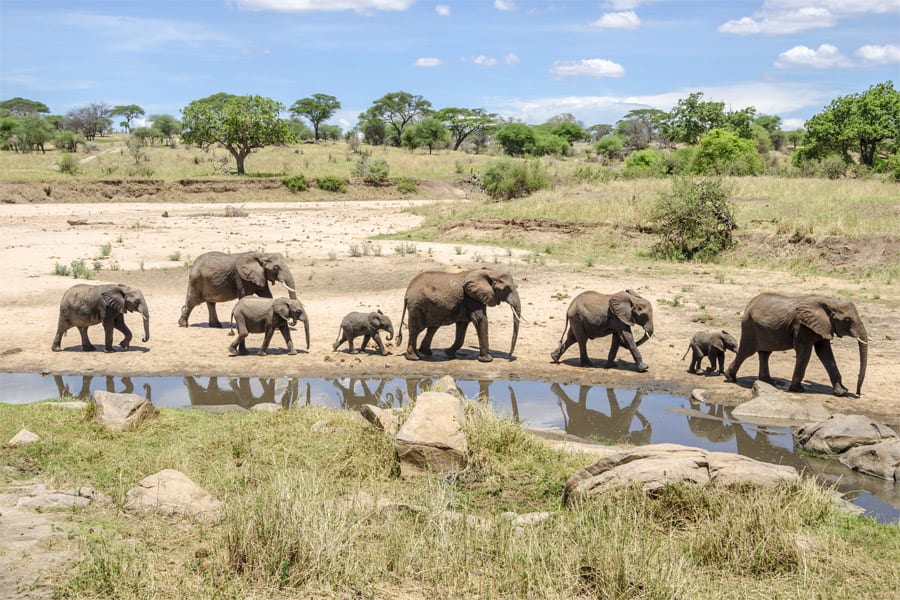
- Explore Tarangire National Park, renowned for its large elephant herds and iconic baobab trees
Loading SafariFind...
1 / 7Arusha to Tarangire National Park
Tarangire National Park
Meals: Dinner
Tarangire to Serengeti National Park
Serengeti National Park
Meals: Breakfast, Lunch, Dinner
Full-Day Serengeti National Park
Serengeti National Park
Meals: Breakfast, Lunch, Dinner
Serengeti to Ngorongoro Conservation Area
Ngorongoro Crater
Meals: Breakfast, Lunch, Dinner
Ngorongoro Crater – Return to Arusha
Arusha
Meals: Breakfast
Year Round
Year-round
| Season | 2 people |
|---|---|
Year Round Year-round | $2,370 |
Northern Tanzania's safari circuit is renowned for exceptional wildlife viewing. In Tarangire National Park, you'll encounter large elephant herds, buffalo, giraffes, zebras, and various antelope species. The Serengeti offers opportunities to spot the Big Five (lions, leopards, buffalo, elephants, and rhinoceros) along with wildebeest, zebras, and countless bird species. The Ngorongoro Crater, a UNESCO World Heritage Site, is one of Africa's most wildlife-dense areas where you can see lions, hyenas, buffalo, zebras, and flamingos in a single volcanic caldera. The specific animals you encounter depend on the season and your luck during game drives, but the region is consistently excellent for wildlife photography and observation.
Tanzania offers year-round safari opportunities, but the best times depend on what you want to experience. The dry seasons—June to October (long dry season) and January to February (short dry season)—offer the best wildlife viewing because animals congregate around water sources, making them easier to spot. June to October is particularly excellent for witnessing the Great Wildebeest Migration in the Serengeti, when massive herds move across the plains. The wet seasons (November to December and March to May) are less crowded, feature lush landscapes, and are ideal for birdwatching, though some roads may be challenging. December to February combines good wildlife viewing with fewer tourists and lower prices.
A 5-day safari is an excellent duration for exploring Northern Tanzania's main attractions. This timeframe allows you to visit Tarangire National Park, the Serengeti, and the Ngorongoro Crater without feeling rushed, with multiple game drives in each location to maximize wildlife encounters. Five days provides a good balance between experiencing diverse ecosystems and managing travel time between parks. Shorter 3-day safaris are possible but offer limited time in each park, while longer 7-10 day safaris allow for deeper exploration and increased chances of rare wildlife sightings. Most first-time visitors find 5 days ideal for a comprehensive Northern Circuit experience.
For a camping safari in Northern Tanzania, pack lightweight, neutral-colored clothing in layers since temperatures vary significantly between day and night. Essential items include a warm fleece or jacket for early morning game drives and cool evenings, a wide-brimmed hat, sunglasses, and high-SPF sunscreen. Bring sturdy, closed-toe hiking boots suitable for uneven terrain and a pair of comfortable camp shoes. Pack a torch (flashlight) or headlamp for navigating camp at night, insect repellent to prevent mosquito bites, and any personal medications. Binoculars are invaluable for wildlife spotting, and a camera with extra batteries and memory cards is essential. Toiletries should include biodegradable soap to minimize environmental impact. Consider a lightweight sleeping bag liner for added warmth and comfort in your tent. Avoid bright colors and patterns that might disturb wildlife.
Camping on a Tanzania safari is generally very safe when organized through reputable operators. Safari camps are strategically located away from dangerous wildlife concentrations, and professional guides are trained in wildlife safety protocols. Camps typically have secure perimeters and staff present throughout the night. The biggest safety considerations are practical rather than wildlife-related: ensuring you have adequate sun protection, staying hydrated, and following your guide's instructions during game drives and camp activities. Most safari-related incidents occur due to visitor negligence rather than wildlife aggression. Camping actually enhances the authentic safari experience, allowing you to fall asleep to natural sounds and wake to the African bush. If you have specific health concerns or anxiety about wildlife, discuss them with your operator beforehand—they can provide additional reassurance and safety information.
A budget camping safari typically includes all the essentials for a complete safari experience. Most packages cover park entrance fees, accommodation in tents or basic lodges, all meals (breakfast, lunch, and dinner), transportation in a 4×4 safari vehicle, professional English-speaking guides, bottled water during game drives, and airport transfers. Some packages also include government taxes and VAT. However, budget safaris typically exclude international airfare, travel insurance, visa fees, alcoholic beverages, tips and gratuities, personal expenses, and optional activities like hot air balloon rides or special excursions. It's important to clarify exactly what's included with your operator before booking, as inclusions can vary. Budget safaris offer excellent value by focusing on core safari experiences while minimizing unnecessary extras.
Most international visitors require a visa to enter Tanzania, though requirements vary by nationality. Many countries can obtain a visa on arrival at Kilimanjaro or Dar es Salaam airports, or apply for an e-visa online before travel. Some nationalities have visa exemptions or can stay visa-free for limited periods. It's essential to check the current visa requirements for your specific nationality on the official Tanzanian immigration website or through your country's embassy well before your trip. Visa processing times and costs vary, so plan accordingly. Additionally, ensure your passport is valid for at least six months beyond your intended departure date from Tanzania. Your safari operator can often provide guidance on visa requirements, but the responsibility for obtaining proper travel documents rests with you.
Budget camping safaris in Northern Tanzania typically range from $1,200 to $2,500 per person, depending on the season, operator, and specific inclusions. Prices are generally lower during the wet season (March to May and November to December) and higher during peak season (June to October). Budget options focus on camping accommodation and shared transportation, making them more affordable than mid-range or luxury safaris. The total cost depends on factors such as group size (larger groups often have lower per-person costs), accommodation standards, meal quality, and whether guides are shared or private. International flights, travel insurance, visa fees, meals outside the package, and tips are typically additional expenses not included in the safari cost. Comparing multiple operators and booking during shoulder seasons can provide better value.
Before traveling to Tanzania, consult with a travel health clinic or your doctor at least 4-6 weeks before departure to receive personalized health advice. Yellow fever vaccination is often recommended or required, particularly if arriving from other African countries. Malaria prophylaxis is typically advised for most safari regions, especially lower-altitude areas like Tarangire. Routine vaccinations (measles, polio, tetanus) should be current. Hepatitis A and B vaccinations are commonly recommended. Typhoid vaccination may be suggested depending on your itinerary and health history. Specific recommendations depend on your nationality, medical history, and the exact areas you'll visit. Travel insurance that covers medical evacuation is highly recommended. Your safari operator can provide general health guidelines, but a qualified travel medicine professional should provide personalized recommendations based on your individual health profile.
The Ngorongoro Crater is a massive volcanic caldera located in northern Tanzania and is one of Africa's most remarkable natural wonders. Formed approximately 2-3 million years ago when a volcano collapsed, the crater spans about 19 kilometers across and plunges 610 meters deep, creating a self-contained ecosystem. What makes it exceptional for safari is the extraordinary concentration of wildlife within its enclosed environment—you can encounter lions, buffalo, zebras, wildebeest, hyenas, flamingos, and numerous bird species, often within a single game drive. The crater's unique geology and ecology create distinct habitats, from grasslands to forests and alkaline lakes. It's a UNESCO World Heritage Site and one of the most visited safari destinations in Tanzania. The Ngorongoro Conservation Area also protects Maasai pastoral communities, offering cultural insights alongside wildlife viewing. The crater's manageable size and high wildlife density make it ideal for photography and observation, particularly for spotting predators and large herbivore herds.
 Pumba ReisenArusha, Tanzania
© 2026 SafariFind. All rights reserved.