 1 / 3
1 / 3 4 daysshared
4-Day Budget Safari Tarangire, Serengeti & Ngorongoro
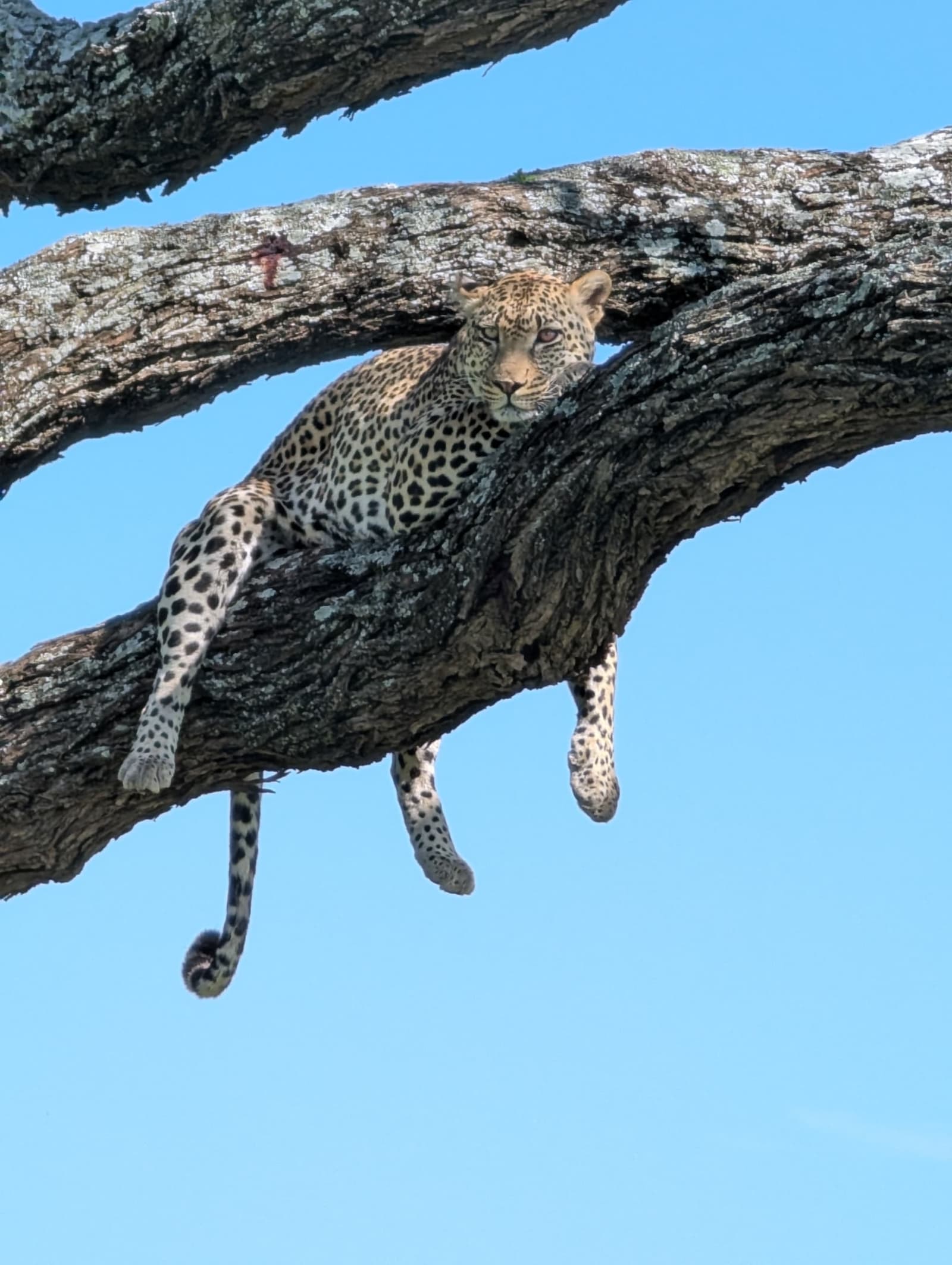
Highlights
- lion
- elephant
Loading SafariFind...
1 / 3Zanzibar to Arusha Fly-In Safari Experience
Arusha
Meals: Lunch, Dinner
Arusha to Tarangire National Park Game Drive
Tarangire National Park
Meals: Breakfast, Lunch, Dinner
Central Serengeti National Park
Serengeti National Park
Meals: Breakfast, Lunch, Dinner
Serengeti to ngorongoro high land
Ngorongoro
Meals: Breakfast, Lunch, Dinner
Ngorongoro Crater Game Drive then drive to Arusha
Meals: Breakfast, Lunch
Year Round
Year-round
| Season | Solo traveler | 2 people | 3 – 4 people | 5 – 6 people | 7+ people | Child rate | Single suppl. |
|---|---|---|---|---|---|---|---|
Year Round Year-round | $1,320 | $880 | $790 | $750 | $700 | $610 | $260 |
Child rate applies to travelers under 12 years. Single supplement applies to solo travelers taking their own room.
Tarangire National Park is renowned for its exceptional wildlife viewing, particularly large elephant herds that congregate around the Tarangire River, especially during the dry season. You'll encounter buffalo, giraffes, zebras, wildebeest, lions, leopards, and various antelope species. The park is also a birdwatcher's paradise with over 500 bird species recorded. The diverse landscape of acacia woodlands, baobab trees, and riverine vegetation creates ideal habitats for wildlife observation throughout the year.
Absolutely. The Ngorongoro Crater is one of Africa's most spectacular natural wonders and a UNESCO World Heritage Site. This massive volcanic caldera spans approximately 20 kilometers across and contains a self-contained ecosystem with an estimated 25,000 large animals including lions, elephants, buffalo, zebras, and hyenas. The crater's unique geography concentrates wildlife in a relatively confined area, offering exceptional viewing opportunities. The stunning scenery and ecological significance make it an essential destination for any northern Tanzania safari experience.
The Serengeti offers excellent wildlife viewing year-round, but the best time depends on what you want to experience. The dry season (June to October) is ideal for game viewing as animals concentrate around water sources, and the famous wildebeest migration typically passes through during this period. The wet season (November to May) offers lush landscapes, fewer tourists, and excellent birdwatching, though some roads may be challenging. December to February brings calving season when predator-prey interactions are particularly active. Plan your visit based on your wildlife priorities and tolerance for weather conditions.
A four-day safari provides a solid introduction to Tanzania's northern circuit, allowing you to experience multiple ecosystems including Tarangire National Park, the Serengeti, the Ngorongoro Crater, and Lake Manyara. This timeframe permits meaningful game drives and wildlife encounters while remaining accessible for travelers with limited vacation time. For a more comprehensive experience with additional activities like walking safaris or longer game drives, consider extending to 5-7 days. Even four days delivers significant wildlife viewing and memorable landscapes across diverse habitats.
Pack neutral-colored clothing in earth tones (khaki, tan, brown, green) to blend with the landscape and minimize disturbance to wildlife. Bring lightweight, breathable fabrics for daytime heat and a warm layer for early morning and evening game drives. Essential items include a wide-brimmed hat, high-SPF sunscreen, sunglasses, and insect repellent. Comfortable walking shoes with good grip are important for various terrains. Don't forget binoculars for wildlife spotting, a camera with extra batteries, and any personal medications. Pack minimally as luggage space may be limited on small aircraft. Bring a reusable water bottle as bottled water is provided during game drives.
Vaccination requirements and recommendations for Tanzania vary based on your country of origin and medical history. Yellow fever vaccination is often recommended and may be required depending on your travel history. Malaria prophylaxis is typically advised for most regions of Tanzania, particularly lower-altitude areas. Consult your healthcare provider or a travel medicine clinic at least 4-6 weeks before your departure to receive personalized medical advice based on your specific circumstances. They can recommend appropriate vaccinations and medications and advise on preventative measures like insect repellent and protective clothing to minimize disease risk.
An all-inclusive safari package typically covers park entrance fees, professional guide services, accommodation, meals, and ground transportation including airport transfers. Most packages include three daily meals (breakfast, lunch, and dinner) prepared to accommodate various dietary preferences, bottled water during game drives to stay hydrated, and the expertise of an English-speaking guide who provides wildlife education and ensures safety. This comprehensive approach allows you to focus entirely on the safari experience without worrying about logistics. However, review specific package details as inclusions vary—items like travel insurance, tips, alcoholic beverages, and optional activities are often excluded and should be budgeted separately.
Game drives typically last 3-4 hours in the morning and 2-3 hours in the afternoon or evening, though durations can vary based on wildlife activity and your guide's expertise. Morning drives are often most productive as animals are active during cooler temperatures. Afternoon drives may be shorter but still offer excellent viewing opportunities. Your professional guide will adjust timing and routes based on recent animal sightings and seasonal patterns. Between drives, you'll have time to rest, enjoy meals, and recharge. The combination of multiple drives across different days and park locations maximizes your chances of encountering diverse wildlife and experiencing various ecosystems.
Yes, the Serengeti is the primary location for witnessing the Great Migration, one of Earth's most spectacular natural events. Approximately 1.5 million wildebeest and hundreds of thousands of zebras and gazelles move in a circular pattern through the Serengeti and Masai Mara in search of fresh grazing. The migration's timing varies annually but generally follows a predictable pattern: the herds are in the southern Serengeti (December-March), move north through the central regions (April-May), and concentrate in the northern Serengeti and Masai Mara (June-October). Witnessing river crossings and predator-prey interactions during migration is an unforgettable experience, though viewing depends on timing your visit correctly.
Materuni Waterfall is a scenic natural attraction located in the foothills near Mount Kilimanjaro, offering a refreshing contrast to traditional game drive experiences. This beautiful waterfall provides an opportunity for a short walk through lush vegetation, a chance to swim in natural pools, and cultural interaction with local communities. Including Materuni Waterfall on your safari itinerary adds variety to your experience, allowing you to engage with Tanzania's natural beauty beyond wildlife viewing. The waterfall is particularly appealing during warmer months when swimming is most enjoyable. It's an excellent activity for breaking up long driving days and experiencing Tanzania's diverse landscapes and cultures.
© 2026 SafariFind. All rights reserved.