 1 / 2
1 / 2 5 daysprivate
5-Day : Maasai mara, lake Nakuru, Lake Naivasha.
Highlights
- big 5
- boat ride
Loading SafariFind...
1 / 2Nairobi - Masaai Mara
Meals: Lunch, Dinner
Maasai mara full day
Meals: Breakfast, Lunch, Dinner
Maasai Mara - Lake Nakuru
Meals: Breakfast, Lunch, Dinner
Lake Nakuru - Lake Naivasha
Meals: Breakfast, Lunch, Dinner
Lake Naivasha - Nairobi
Meals: Breakfast
Year Round
Year-round
| Season | Solo traveler | 2 people | 3 – 4 people | 5 – 6 people | 7+ people | Child rate | Single suppl. |
|---|---|---|---|---|---|---|---|
Year Round Year-round | $2,500 | $1,670 | $1,500 | $1,300 | $1,270 | $1,170 | $500 |
Child rate applies to travelers under 12 years. Single supplement applies to solo travelers taking their own room.
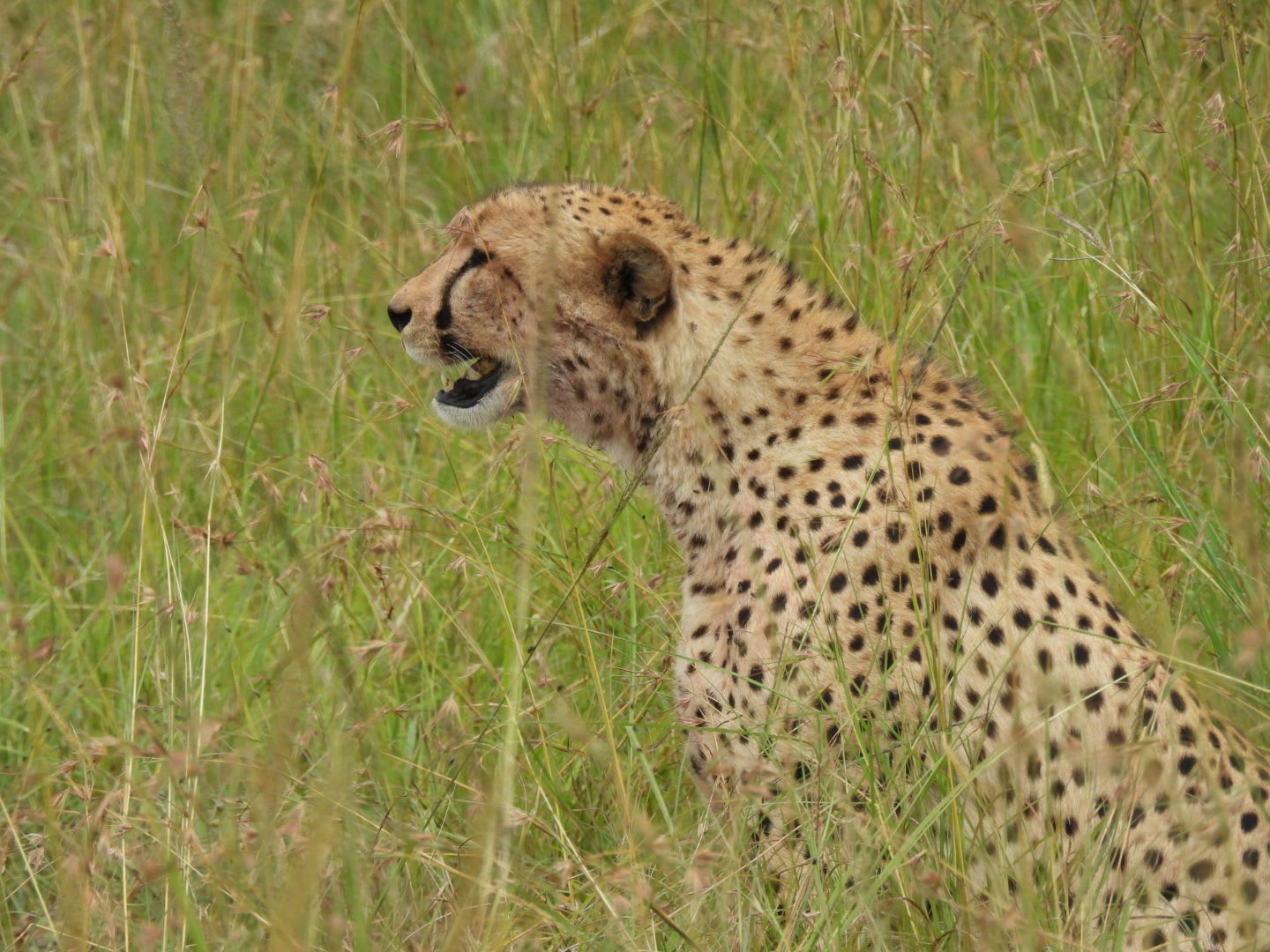
The Masai Mara is one of Africa's most renowned wildlife destinations, home to the Big Five (lions, leopards, elephants, buffalo, and rhinoceros) as well as giraffes, zebras, wildebeest, hyenas, cheetahs, and numerous bird species. The reserve is particularly famous for the Great Migration, when millions of wildebeest and zebras traverse the landscape. During a full day of game drives in the Masai Mara, you'll have excellent opportunities to spot these animals in their natural habitat, with professional guides helping you locate and understand the behavior of different species.
Yes, 5 days is a solid duration for a Kenya safari experience. This timeframe allows you to spend a full day in the Masai Mara for comprehensive wildlife viewing, then transition to other scenic destinations like Lake Nakuru and Lake Naivasha. The variety of ecosystems you'll visit—from savanna to freshwater lakes—means you'll experience diverse wildlife and landscapes without feeling rushed. While longer safaris offer more game drive opportunities, 5 days provides a meaningful introduction to Kenya's most iconic destinations and wildlife.
The Masai Mara can be visited year-round, but the best times depend on what you want to experience. The dry seasons—June to October and January to February—offer the best wildlife viewing because animals congregate around water sources, making them easier to spot. July to October is peak season for the Great Migration. The rainy seasons (March to May and November to December) see fewer tourists, lush green landscapes, and excellent bird watching, though some roads may be more challenging. Each season has its advantages, so consider your priorities when planning your visit.
Essential items for a Kenya safari include neutral-colored clothing (khaki, tan, green, brown) for game drives, a light rain jacket, comfortable walking shoes, and a wide-brimmed hat. Bring high-SPF sunscreen, sunglasses, and binoculars for wildlife viewing. Pack layers, as mornings and evenings can be cool despite daytime heat. A camera with a good zoom lens is invaluable for capturing wildlife. Don't forget toiletries, any personal medications, and a power bank for charging devices. While the package includes bottled water during game drives, consider bringing a reusable water bottle. Check with your accommodation about laundry facilities, as most lodges offer this service.
A 5-day Kenya safari cost varies depending on accommodation quality, season, and specific inclusions. Budget safaris may start around $1,500-$2,500 per person, while mid-range options typically range from $2,500-$5,000, and luxury safaris can exceed $5,000 per person. This package includes park entrance fees, accommodation, all meals, a private 4x4 vehicle, and a professional guide—significant value-adds that affect overall cost. Keep in mind that additional expenses like international airfare, travel insurance, visa fees, and tips are not included and should be budgeted separately.
Visa requirements for Kenya depend on your nationality. Many countries' citizens can obtain a visa on arrival or apply for an e-visa online before travel, which is convenient for safari travelers. Some nationalities enjoy visa-free entry for short stays. It's essential to check the current requirements with the Kenyan embassy or official government website for your specific country, as regulations can change. Most safari operators can provide guidance on visa procedures, and it's advisable to arrange this well in advance of your travel dates. Ensure your passport is valid for at least six months beyond your intended stay.
Yellow fever vaccination is recommended (and sometimes required depending on where you're traveling from) for travel to Kenya. Malaria prophylaxis is strongly advised, particularly for the Masai Mara and lake regions, as malaria is present in these areas. Additionally, routine vaccinations such as measles, mumps, rubella, and tetanus should be current. Typhoid and hepatitis A vaccinations are often recommended. Consult with a travel health clinic or your healthcare provider at least 4-6 weeks before your safari to discuss your specific health needs based on your medical history and the regions you'll visit. They can provide personalized recommendations and prescriptions for malaria prevention.
Lake Nakuru is famous for its stunning scenery and unique wildlife viewing opportunities. The lake is known for its large population of flamingos, which historically created a spectacular pink-hued shoreline, though flamingo numbers fluctuate with water conditions. The lake is also home to hippos, waterbucks, and various bird species, making it a paradise for bird watchers. The surrounding national park features acacia forests and rocky outcrops where you can spot leopards, lions, and other wildlife. The combination of water-based and terrestrial ecosystems makes Lake Nakuru an excellent stop on a Kenya safari, offering a different experience from the savanna landscape of the Masai Mara.
Lake Naivasha offers a variety of activities beyond traditional game drives. A boat ride on the lake is a highlight, providing opportunities to see hippos, fish eagles, and other water birds up close. The lake is surrounded by beautiful scenery and several wildlife sanctuaries where you can spot giraffes, zebras, and other animals. Many visitors enjoy walking trails in nearby conservancies, visiting Hell's Gate National Park for hiking and rock climbing, or exploring the Naivasha region's geothermal areas. The lake setting provides a more relaxed pace compared to intensive game drives, making it an ideal way to conclude a safari adventure before returning to Nairobi.
Yes, malaria is present in Kenya, particularly in lower-altitude areas including the Masai Mara and the lake regions (Nakuru and Naivasha) that you'll visit on this safari. Malaria is transmitted by mosquitoes, primarily during dawn and dusk. It's strongly recommended to take malaria prophylaxis (preventive medication) as prescribed by a travel health professional, use insect repellent containing DEET, wear long sleeves and pants during evening hours, and sleep under mosquito nets when available. Most safari lodges provide mosquito nets and screens, and many use mosquito control measures. While the risk can be managed through these precautions, consulting with a healthcare provider before travel is essential for personalized malaria prevention advice.
 Tukutane Kenya SafarisNairobi, Kenya4.8(13 reviews)
© 2026 SafariFind. All rights reserved.