 1 / 91 / 9
Loading SafariFind...
1 / 9Nairobi to Masai Mara National Reserve
Maasai Mara National Reserve
Meals: Lunch, Dinner
Full Day Safari in Masai Mara
Maasai Mara National Reserve
Meals: Breakfast, Lunch, Dinner
Masai Mara to Lake Naivasha
Crescent Island Game Sanctuary
Meals: Breakfast, Lunch, Dinner
Lake Naivasha to Amboseli National Park
Amboseli National Park
Meals: Breakfast, Lunch, Dinner
Amboseli to Nairobi
Nairobi
Meals: Breakfast
Year Round
Jul 1 – Dec 31
| Season | Solo traveler | 2 people | 3 – 4 people | 5 – 6 people | 7+ people | Child rate |
|---|---|---|---|---|---|---|
Year Round Jul 1 – Dec 31 | $3,090 | $2,040 | $1,890 | $1,620 | $1,510 | $1,570 |
Child rate applies to travelers under 12 years.
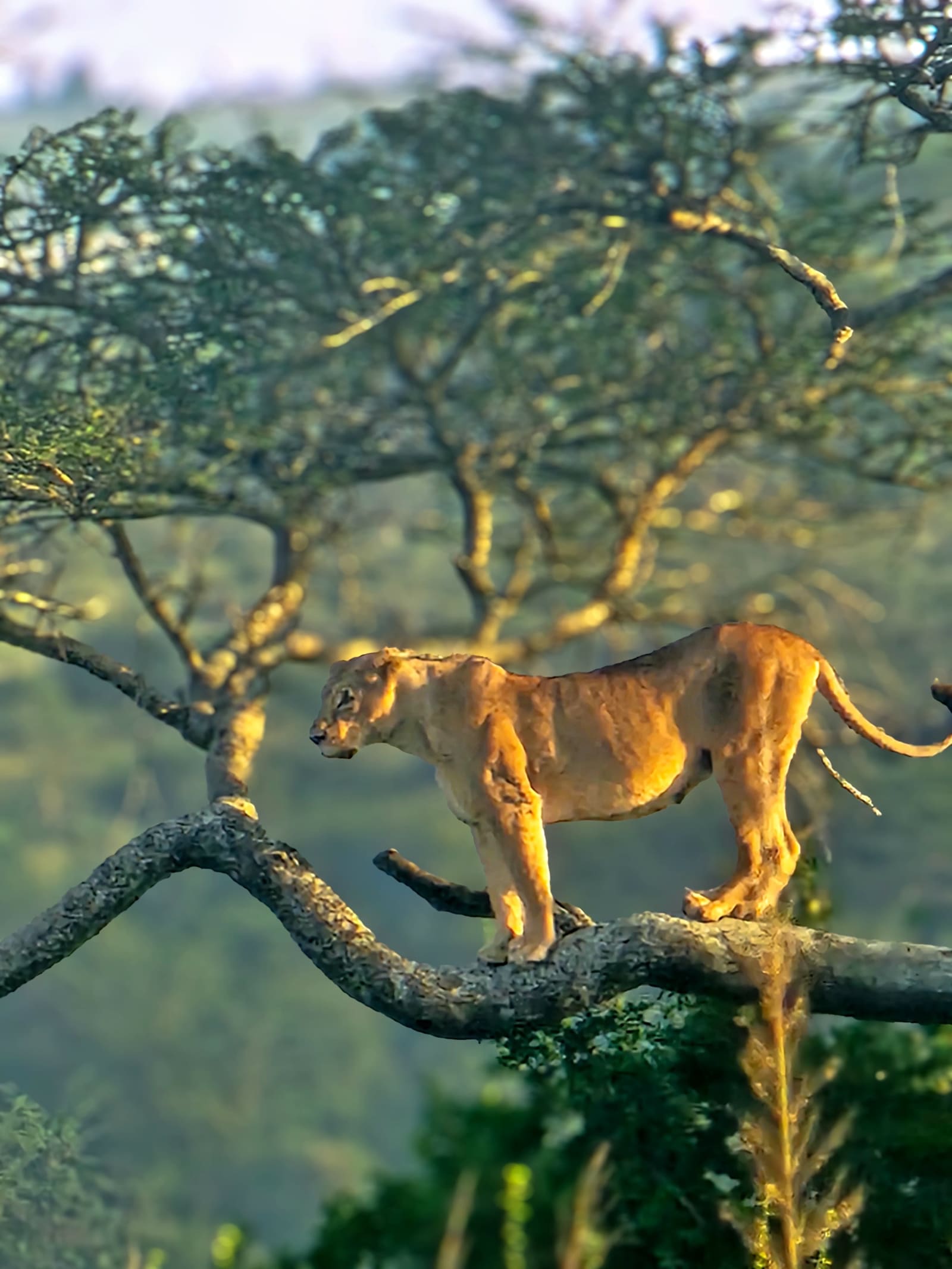
The Masai Mara is home to an incredible variety of wildlife, including the Big Five (lions, leopards, elephants, buffalo, and rhinoceros), zebras, wildebeest, giraffes, hyenas, cheetahs, and numerous bird species. The park is particularly famous for its large predator populations and seasonal migration of wildebeest and zebras. During a game drive through the Masai Mara, you'll have excellent opportunities to spot these animals in their natural habitat, especially during early morning and late afternoon drives when wildlife is most active.
Yes, Amboseli National Park offers some of the most spectacular views of Mount Kilimanjaro, Africa's highest peak. On clear days, the snow-capped summit is visible from various viewpoints throughout the park, creating stunning photography opportunities. Kilimanjaro is located just across the border in Tanzania, and the park's high altitude and dry climate provide excellent visibility. Early mornings typically offer the clearest views before clouds gather around the mountain later in the day.
The best time for a Kenya safari depends on what you want to experience. The dry seasons—from June to October and January to February—offer the best wildlife viewing as animals congregate around water sources, making them easier to spot. July to October is particularly popular for witnessing the Great Migration in the Masai Mara. The wet seasons (March to May and November to December) are less crowded, feature lush landscapes, and offer excellent birdwatching opportunities. Consider your priorities: wildlife concentration, Great Migration viewing, or avoiding crowds when choosing your travel dates.
A 5-day safari is an ideal duration for experiencing Kenya's top destinations without feeling rushed. This timeframe allows you to spend meaningful time in multiple parks—such as the Masai Mara, Lake Naivasha, and Amboseli—while minimizing travel time. A 5-day itinerary typically includes 3-4 full days of game drives and activities, which provides excellent opportunities for wildlife viewing and exploration. Shorter safaris (2-3 days) are possible but offer limited time in each location, while longer safaris (7+ days) allow for deeper exploration and increased wildlife encounter chances.
Lake Naivasha offers diverse activities beyond traditional game drives. A scenic boat ride on the lake is a popular activity, allowing you to spot hippos, water birds, and other wildlife from the water. Walking safaris, particularly on Crescent Island, provide a unique perspective and allow you to get closer to grazing animals like zebras, giraffes, and impalas. Bird watching is excellent around the lake, with over 400 bird species recorded in the area. The combination of water-based and land-based activities makes Lake Naivasha a refreshing contrast to savanna game drives and offers varied wildlife viewing experiences.
Yes, a 4x4 safari vehicle is essential for a Kenya safari, particularly for accessing national parks and game reserves. A 4x4 provides the necessary traction for navigating unpaved roads and off-road terrain throughout parks like the Masai Mara and Amboseli. The vehicle's high clearance and durability are crucial for reaching remote areas where wildlife congregates. Most safari operators provide purpose-built 4x4 safari vehicles equipped with pop-up roofs for optimal game viewing and photography. These vehicles are specifically designed for safari conditions and ensure both safety and comfort during your wildlife viewing experience.
For a 5-day Kenya safari, pack neutral-colored clothing in earth tones (tan, khaki, green) to blend in with the landscape and avoid startling wildlife. Bring lightweight, breathable fabrics for hot days and a warm layer or fleece for cool early mornings and evenings. Essential items include a wide-brimmed hat, sunscreen, sunglasses, binoculars for wildlife viewing, and a camera with extra batteries. Comfortable walking shoes and closed-toe hiking boots are important for walking safaris. Don't forget insect repellent, any personal medications, and toiletries. Pack light—most safari lodges provide basic amenities—and consider a small daypack for game drives. Check the weather forecast for your travel dates, as conditions vary seasonally.
Kenya safari costs vary significantly based on accommodation quality, season, and what's included. Budget safaris may start around $1,500-$2,500 per person for 5 days, while mid-range options typically range from $2,500-$5,000, and luxury safaris can exceed $5,000 per person. A 5-day itinerary covering multiple parks like the Masai Mara, Lake Naivasha, and Amboseli generally falls in the mid-range to upper-mid-range category. Costs typically include accommodation, park entrance fees, game drives, and a professional guide. International flights, visas, travel insurance, tips, and personal expenses are usually additional. Traveling during shoulder seasons (April-May or November) can offer better rates than peak season (July-October).
The Masai Mara and Amboseli are two of Kenya's premier safari destinations with distinct characteristics. The Masai Mara is larger and known for its abundant predators, diverse wildlife, and the famous Great Migration. It features rolling grasslands and riverine forests. Amboseli, located in southern Kenya near the Tanzania border, is smaller but famous for its massive elephant herds and stunning views of Mount Kilimanjaro. Amboseli's landscape is more arid with seasonal swamps. The Masai Mara is ideal for predator viewing and the migration, while Amboseli excels for elephant encounters and Kilimanjaro photography. Both offer exceptional wildlife viewing but provide different safari experiences and landscapes.
Most international visitors require a visa to enter Kenya, which can typically be obtained on arrival or through an e-visa application before travel. Regarding vaccinations, yellow fever vaccination is often recommended, particularly if you're visiting from certain countries or planning to visit other East African nations. Malaria prophylaxis is recommended for most safari regions, including the Masai Mara, Lake Naivasha, and Amboseli. Consult your healthcare provider at least 4-6 weeks before travel for personalized medical advice. Check current requirements with your country's embassy or the Kenya Tourism Board, as visa and health requirements can change. Travel insurance is highly recommended for international safaris.
 Sanaya Tours and SafarisNairobi, Kenya5.0(4 reviews)
© 2026 SafariFind. All rights reserved.