5 daysprivate
5-Day Masai Mara, Lake Nakuru, Naivasha Great Migration
Highlights
- Big Five Viewing
- Great Wildebeest Migration
Loading SafariFind...
Nairobi-Masai Mara National Reserve
Maasai Mara
Meals: Lunch, Dinner
Full Day at Masai Mara National Reserve
Masai Mara National Reserve
Meals: Breakfast, Lunch, Dinner
Masai Mara-Lake Nakuru National Park
Lake Nakuru National Park
Meals: Breakfast, Lunch, Dinner
Lake Nakuru-Lake Naivasha
Lake Naivasha
Meals: Breakfast, Lunch, Dinner
Lake Naivasha-Nairobi
Nairobi
Meals: Breakfast
High Season
Jun 2026 – Oct 2026
Low Season
Nov 2026 – May 2027
| Season | Solo traveler | 2 people | 3 – 4 people | 5 – 6 people | 7+ people | Child rate | Single suppl. |
|---|---|---|---|---|---|---|---|
High Season Jun 2026 – Oct 2026 | $3,560 | $2,380 | $2,140 | $2,020 | $1,900 | $1,660 | $710 |
Low Season Nov 2026 – May 2027 | $3,030 |
Child rate applies to travelers under 12 years. Single supplement applies to solo travelers taking their own room.
The Masai Mara is home to an incredible variety of wildlife, including the Big Five (lion, leopard, elephant, buffalo, and rhinoceros). You'll also encounter zebras, giraffes, antelopes, hyenas, and if you're fortunate, the elusive black-maned lions that the reserve is famous for. The Masai Mara is one of Africa's premier wildlife destinations, offering some of the best opportunities to see large concentrations of animals in their natural habitat. Game drives throughout the reserve provide excellent chances for wildlife photography and observation.
The Great Migration in the Masai Mara typically occurs between July and October, when massive herds of wildebeest and zebras cross from the Serengeti in Tanzania into the Masai Mara in Kenya. This period offers dramatic wildlife viewing as predators gather to feed on the migrating herds. However, Kenya's game reserves are rewarding to visit year-round. The dry seasons (June-October and January-February) generally offer the best wildlife viewing as animals congregate around water sources, making them easier to spot.
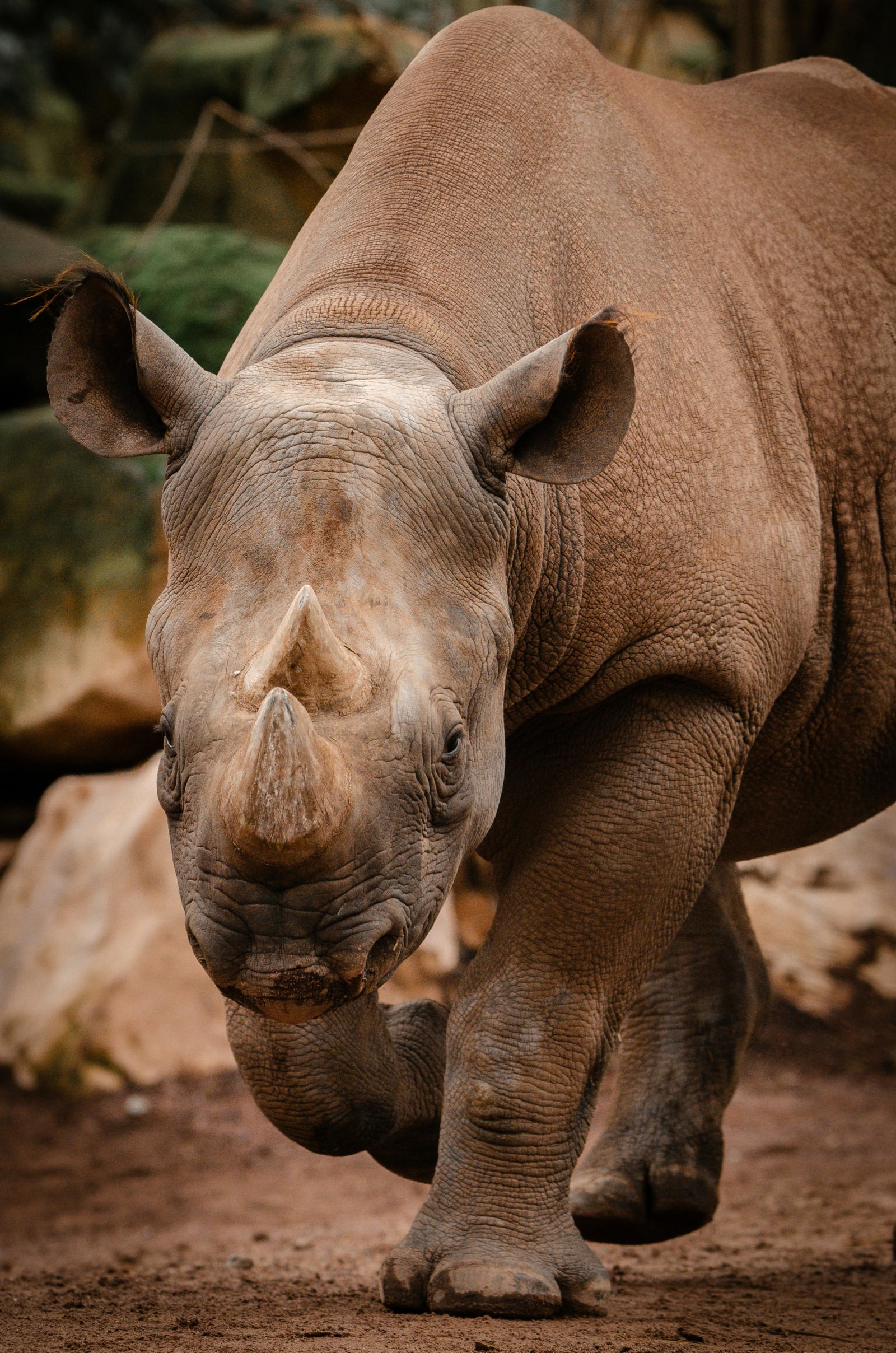
Lake Nakuru National Park is renowned for its substantial rhino population, making it one of the best places in Kenya to see both black and white rhinoceros. The park is also famous for its impressive populations of aquatic birds, including thousands of pelicans and flamingos that create stunning visual displays, particularly during certain seasons. Beyond these highlights, the park offers diverse wildlife viewing and scenic beauty, with wildlife often concentrated around the alkaline lake itself.
Lake Naivasha is a freshwater lake located northwest of Nairobi and offers a range of unique activities for visitors. Beyond traditional game drives, you can enjoy boat excursions on the lake, visit nearby national reserves, and explore the scenic landscapes surrounding this beautiful body of water. The lake provides a different safari experience compared to the more famous reserves, with opportunities to spot hippos, waterfowl, and other wildlife adapted to freshwater environments. It's an excellent destination for those seeking a more relaxed pace while still experiencing Kenya's natural beauty.
A 5-day safari allows you to experience multiple premier destinations in Kenya without rushing. This duration gives you adequate time to explore the Masai Mara thoroughly, visit Lake Nakuru National Park, and enjoy the unique experiences at Lake Naivasha. Five days provides a good balance—enough time to have meaningful wildlife encounters and acclimate to the safari experience, while remaining efficient for those with limited vacation time. Longer safaris (7-10 days) allow for deeper exploration, but 5 days is sufficient to see significant wildlife and visit Kenya's most iconic locations.
Pack neutral-colored, lightweight clothing in earth tones (khaki, tan, green) that blend with the landscape and don't disturb wildlife. Bring layers as mornings and evenings can be cool, especially in higher elevations. Essential items include a wide-brimmed hat, sunscreen, sunglasses, and closed-toe hiking boots or sturdy shoes. A good camera with a telephoto lens is valuable for wildlife photography. Include binoculars for bird watching and wildlife spotting. Toiletries, medications, and insect repellent are important, though many lodges provide basic amenities. Waterproof bags protect gear during game drives, and a light rain jacket is useful during rainy seasons.
Visa requirements for Kenya depend on your nationality. Many countries' citizens can obtain a visa on arrival or apply for an e-visa online before travel, while others may have visa-free access for short stays. It's essential to check the current requirements with the Kenyan immigration authorities or your nearest Kenyan embassy well before your trip, as regulations can change. Most visitors need a passport valid for at least six months beyond their intended stay. Processing times for visas vary, so apply early to avoid delays.
Yellow fever vaccination is recommended for travel to Kenya and may be required depending on your origin country. Malaria prophylaxis is strongly advised, particularly for the Masai Mara and Lake Nakuru regions, as these areas have malaria transmission. Additionally, vaccinations for typhoid, hepatitis A, and routine immunizations are commonly recommended. Consult with a travel medicine clinic or your healthcare provider at least 4-6 weeks before departure to receive personalized recommendations based on your health history, the specific regions you'll visit, and current disease prevalence. They can also prescribe appropriate malaria medications if needed.
Most Kenya safari packages include all three daily meals—breakfast, lunch, and dinner—prepared at your accommodation or provided during game drives. Breakfasts are typically hearty, featuring fresh fruits, cereals, eggs, and local specialties to fuel your day. Lunches are often picnic-style meals during game drives or served at your lodge. Dinners are more substantial affairs, showcasing Kenyan cuisine and international options. Dietary restrictions and preferences can usually be accommodated with advance notice. Bottled water is provided throughout the day to keep you hydrated during safari activities. Alcoholic beverages are typically not included and would be an additional cost.
A private 4x4 safari vehicle offers several advantages over shared vehicles. You have greater flexibility to spend as much time as you want observing wildlife, without compromising other passengers' interests. A private vehicle allows for a more personalized experience tailored to your interests and photography needs. You can also discuss wildlife sightings and strategy directly with your guide without distractions. The vehicle is exclusively yours, providing comfort and the ability to move at your preferred pace. For serious wildlife photographers or those seeking an intimate safari experience, a private vehicle significantly enhances the quality of your journey, though it may be priced higher than shared options.
© 2026 SafariFind. All rights reserved.
| $2,020 |
| $1,820 |
| $1,720 |
| $1,620 |
| $1,660 |
| $710 |
