 1 / 51 / 5
Loading SafariFind...
1 / 5Arrival in the Masai Mara: Enter the Kingdom of Lions
Meals: Lunch, Dinner
Deep Immersion: The Drama of the Masai Mara Unfolds
Meals: Breakfast, Lunch, Dinner
Journey to Lake Nakuru: Where Flamingos Paint the Waters Pink
Lake Nakuru National Park
Meals: Breakfast, Lunch, Dinner
Conservation in Action: Ol Pejeta Conservancy's Rare Encounters
Ol Pejeta Conservancy
Meals: Breakfast, Lunch, Dinner
Departure: Reflections on Your Kenyan Safari
Meals: Breakfast
Year Round
Year-round
| Season | Solo traveler | 2 people | 3 – 4 people | 5 – 6 people | 7+ people | Child rate | Single suppl. |
|---|---|---|---|---|---|---|---|
Year Round Year-round | $3,040 | $2,030 | $1,820 | $1,720 | $1,620 | $1,420 | $610 |
Child rate applies to travelers under 12 years. Single supplement applies to solo travelers taking their own room.
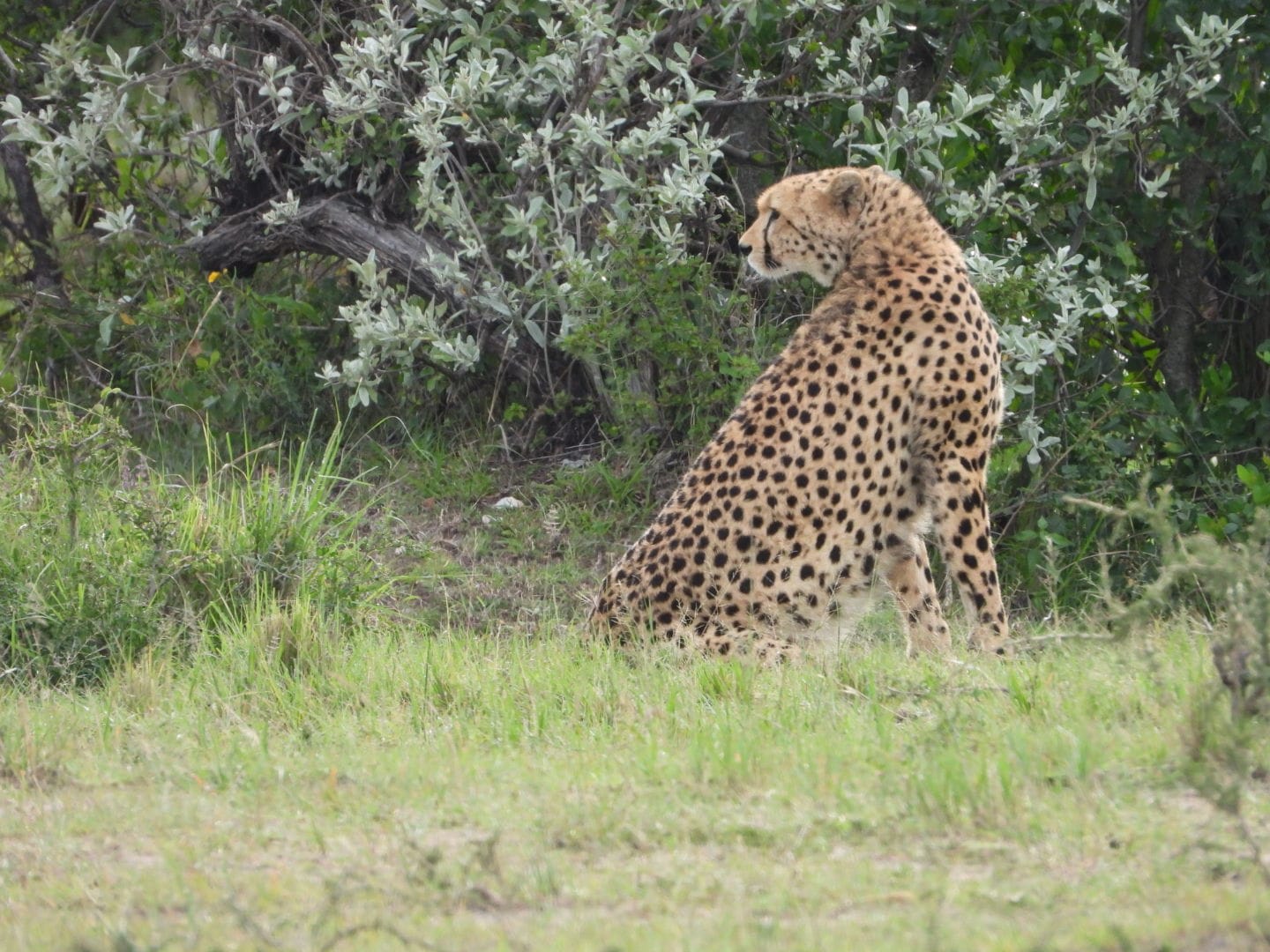
The Masai Mara is home to an extraordinary array of wildlife, including all of Africa's Big Five: lions, leopards, elephants, buffalo, and rhinos. Beyond these iconic species, you'll encounter zebras, giraffes, wildebeest, hyenas, cheetahs, and numerous antelope species. The reserve is also a birdwatcher's paradise with over 450 bird species. During the Great Migration season (July to October), you can witness one of nature's most dramatic spectacles as massive herds of wildebeest and zebras move across the plains. While wildlife sightings are never guaranteed in safari tourism, the Masai Mara's high concentration of animals makes it one of the world's most reliable destinations for encountering diverse African fauna.
July through October is the optimal time to visit Kenya's safari destinations, particularly if you want to witness the Great Migration in the Masai Mara. During these months, massive herds of wildebeest and zebras cross the plains in search of fresh grazing, creating spectacular game-viewing opportunities. However, Kenya offers excellent wildlife viewing year-round across all its ecosystems. The dry seasons (June to October and January to February) generally provide better visibility and wildlife concentration around water sources. The wet seasons (March to May and November to December) bring lush landscapes, fewer tourists, and excellent bird watching. Your choice depends on whether you prioritize the migration spectacle or prefer smaller crowds and verdant scenery.
During a typical Kenya safari, you can expect to spend 4 to 6 hours daily in a game drive vehicle, usually split between morning and afternoon sessions. Morning drives typically begin at dawn (5:30-6:00 AM) when wildlife is most active and temperatures are cool, lasting 3-4 hours before returning to your lodge for brunch and rest. Afternoon drives usually depart around 3:00-4:00 PM and continue until sunset (around 6:30-7:00 PM), lasting another 2-3 hours. This schedule allows you to experience wildlife during their peak activity periods while providing midday rest at your accommodation. The split-session approach also helps prevent fatigue and gives you time to relax, enjoy meals, and process the incredible sights you've witnessed.
Packing for a Kenya safari requires thoughtful preparation for variable conditions. Bring neutral-colored, lightweight clothing in earth tones (khaki, tan, olive, brown) as bright colors can startle wildlife. Pack layers including a warm fleece or jacket for early morning and evening game drives when temperatures drop significantly. Sturdy, closed-toe hiking boots or safari shoes are essential for bush walks and uneven terrain. Sun protection is critical: include high-SPF sunscreen, a wide-brimmed hat, and quality sunglasses. Bring binoculars for wildlife viewing and a camera with extra batteries and memory cards. Other essentials include a reusable water bottle, basic medications, insect repellent, and toiletries. While most safaris provide bottled water during game drives, consider bringing a personal hydration pack. Check with your operator about specific recommendations, and remember that many lodges have laundry facilities, so you can pack lighter and wash clothes mid-trip.
Yes, a five-day safari is sufficient for a meaningful wildlife experience in Kenya, especially when visiting multiple ecosystems. This duration allows you to spend 2-3 days in the Masai Mara where you'll have multiple game drive opportunities to encounter the Big Five and witness the migration (if traveling July-October). Additional days in Lake Nakuru National Park and Ol Pejeta Conservancy provide diverse experiences: flamingo-filled alkaline lakes, specialized bird species, and conservation-focused wildlife encounters including endangered species. The variety of destinations within five days gives you a comprehensive introduction to Kenya's biodiversity and ecological diversity. While longer safaris (7-10 days) allow for deeper immersion in single locations and increase sighting probabilities, five days is well-designed for first-time visitors seeking both breadth of experience and quality wildlife viewing. Expert guides and strategically timed game drives maximize your chances of significant encounters.
Lake Nakuru National Park is famous for its stunning alkaline lake, which historically attracted hundreds of thousands of flamingos that created a striking pink-hued spectacle against the backdrop of the Great Rift Valley. The lake's unique mineral composition supports algae blooms that flamingos feed on, making it one of the world's most iconic bird-watching destinations. Beyond flamingos, the park hosts over 450 bird species, making it a paradise for ornithologists and casual bird enthusiasts alike. The park also protects diverse wildlife including lions, leopards, rhinos, buffalo, zebras, and numerous antelope species. Lake Nakuru offers a distinctly different safari experience from typical savanna reserves—combining wildlife viewing with the dramatic geological features of the Great Rift Valley. The lake's water levels fluctuate seasonally, which affects bird concentrations, but the park remains a must-visit destination for its unique lacustrine environment and exceptional biodiversity.
Ol Pejeta Conservancy is a privately managed conservation area that operates differently from government-run national parks. Rather than focusing solely on tourism, Ol Pejeta is dedicated to cutting-edge wildlife conservation, research, and protection of endangered species. The conservancy is home to some of Kenya's rarest inhabitants, including the northern white rhino—one of the world's most critically endangered animals. This conservation-first approach means your visit directly supports meaningful environmental work, from anti-poaching efforts to species breeding programs. Conservancies typically offer more exclusive, intimate wildlife experiences with smaller group sizes and flexible game drive routes compared to national parks. The landscape and ecosystem management are tailored toward species protection rather than high-volume tourism. Visiting Ol Pejeta allows you to witness world-class conservation in action while enjoying exceptional wildlife viewing. The experience combines the thrill of safari with the deeper satisfaction of contributing to genuine conservation efforts, making it an ideal conclusion to a Kenya safari journey.
Visa requirements for Kenya depend on your nationality and are subject to change. Most visitors require a visa to enter Kenya, though some countries have visa-free or visa-on-arrival arrangements. Many nationalities can obtain an e-visa through Kenya's official online portal (www.ecitizen.go.ke) before travel, which is convenient and typically processed within days. Some visitors can also obtain a visa on arrival at Jomo Kenyatta International Airport in Nairobi, though this can mean longer queues. Your passport must be valid for at least six months beyond your travel dates. We strongly recommend checking the official Kenyan government immigration website or contacting your nearest Kenyan embassy or consulate well in advance of your trip to confirm current requirements for your specific nationality. Your safari operator can also provide guidance, though they cannot issue visas. Processing visa applications early ensures smooth travel preparations.
Vaccination requirements and recommendations for Kenya vary based on your medical history, previous travel, and current health guidelines. Yellow fever vaccination is often recommended (and sometimes required for entry, depending on where you're traveling from), as Kenya is in a yellow fever endemic zone. Malaria prophylaxis is typically recommended for most areas of Kenya, particularly lower-altitude regions like the Masai Mara and Lake Nakuru. Other vaccinations commonly recommended include those for typhoid, hepatitis A and B, and routine immunizations. Consult with a travel medicine clinic or your healthcare provider at least 4-6 weeks before your trip to receive personalized medical advice based on your health status and itinerary. They can review current disease risks, recommend appropriate vaccinations and medications, and discuss preventive measures like insect repellent and sleeping under mosquito nets. Travel insurance that covers medical evacuation is also strongly advised. Never start malaria medication without professional medical guidance, as the choice of prophylaxis depends on drug resistance patterns and individual health factors.
A comprehensive Kenya safari package typically includes several essential components that simplify your travel planning. Standard inclusions cover all national park and conservancy entrance fees, so you don't worry about additional costs at each destination. Accommodation is provided throughout your safari at mid-range to luxury lodges selected for comfort and authentic safari immersion. All meals—breakfast, lunch, and dinner—are included daily, with menus often featuring both international and local Kenyan cuisine. Transportation is covered via a private 4x4 safari vehicle with a professional, English-speaking guide who provides expertise on wildlife, ecology, and local culture. Practical amenities like bottled water during game drives and airport transfers to and from your accommodation are included. Government taxes and VAT are built into the quoted price, so you avoid surprise charges. However, packages typically exclude international airfare, travel insurance, visa fees, alcoholic beverages, optional activities beyond the standard itinerary, personal expenses, tips and gratuities for guides and staff, and travel vaccinations. Clarify exactly what's included with your operator before booking to avoid misunderstandings.
 Toto Tembo SafarisNairobi, Kenya
© 2026 SafariFind. All rights reserved.