 1 / 9
1 / 9 5 daysprivate
5-Day Ngorongoro, Serengeti, Tarangire Mid-Range Safari
byPANGOLIN TRAVELERS EXPEDITION
Highlights
- Explore Tarangire National Park
Loading SafariFind...
1 / 9byPANGOLIN TRAVELERS EXPEDITION
Arusha to Tarangire National Park
Tarangire National Park
Meals: Dinner
Tarangire - Serengeti National Park
Serengeti National Park
Meals: Breakfast, Lunch, Dinner
Full Experience in Serengeti
Serengeti National Park
Meals: Breakfast, Lunch, Dinner
Serengeti to Ngorongoro Conservation Area
Karatu
Meals: Breakfast, Lunch, Dinner
Ngorongoro Crater Tour – Return to Arusha
Ngorongoro Crater
Meals: Breakfast
Year Round
Year-round
| Season | Solo traveler | 2 people | 3 – 4 people | 5 – 6 people | 7+ people | Child rate | Single suppl. |
|---|---|---|---|---|---|---|---|
Year Round Year-round | $3,890 | $2,360 | $2,100 | $1,930 | $1,890 | $2,360 | $940 |
Child rate applies to travelers under 12 years. Single supplement applies to solo travelers taking their own room.
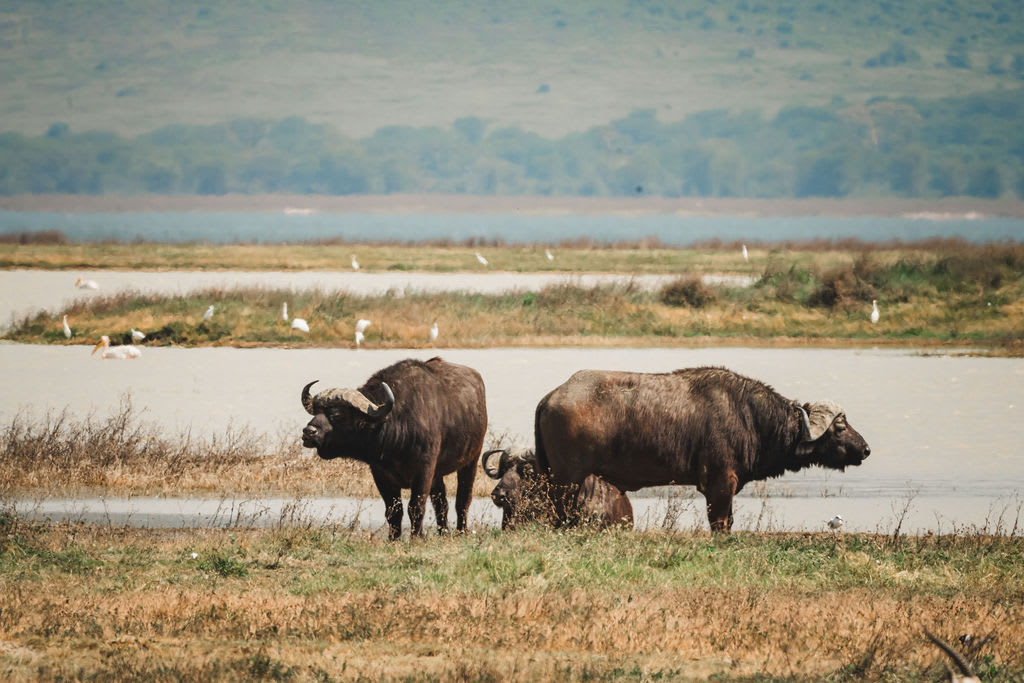
Tarangire National Park is renowned as one of Tanzania's premier elephant viewing destinations, with large herds of African elephants gathering around the Tarangire River, especially during the dry season. Beyond elephants, you'll encounter lions, leopards, African buffalo, giraffes, zebras, wildebeest, and numerous bird species including ostriches and eagles. The park's diverse habitats—from river valleys to acacia woodlands—support a wide variety of wildlife, making it an excellent destination for comprehensive game viewing and wildlife photography.
The best time for a Tanzania safari depends on your wildlife viewing priorities. The dry season from June to October offers excellent game viewing as animals congregate around water sources, and visibility is optimal for photography. December to February is the short rainy season with fewer tourists and lush landscapes. March to May is the long rainy season with excellent birdwatching and dramatic skies, though some roads may be challenging. Most travelers prefer the dry season for the most reliable and concentrated wildlife encounters.
The Ngorongoro Crater is one of Africa's most unique safari destinations, featuring a self-contained ecosystem within a massive volcanic caldera. The crater floor hosts an exceptional concentration of wildlife including lions, Cape buffalo, zebras, wildebeest, hippos, and flamingos, all within a relatively compact area. The crater's walls provide stunning scenery and natural protection for the wildlife within. It's often called the 'Eighth Wonder of the World' due to its geological significance and the remarkable density of animals you can observe in a single location.
A 5-day safari covering Tanzania's Northern Circuit—including Tarangire, Serengeti, Ngorongoro, and Lake Manyara—provides excellent wildlife viewing opportunities across diverse ecosystems. Most travelers can expect to see the major African megafauna including elephants, lions, leopards, giraffes, zebras, and buffalo, along with numerous antelope species and birds. The extended timeframe allows for multiple game drives, increasing your chances of encountering predators and experiencing different wildlife behaviors. The variety of landscapes across four parks also means you'll see different species compositions and habitats.
A private 4x4 safari vehicle offers significant advantages for game viewing. You have flexibility to stop whenever and wherever wildlife appears, spend as much time as you want observing animals, and enjoy personalized routing based on recent animal sightings. A private vehicle also provides comfort, as you're not sharing space with strangers, and your guide can focus entirely on your group's interests and questions. This setup is particularly valuable for photography enthusiasts and those seeking a more intimate safari experience, though it typically costs more than shared vehicle options.
Essential safari packing includes neutral-colored clothing (greens, tans, browns) that blends with the landscape, a wide-brimmed hat, and sunglasses for sun protection. Bring layers as mornings and evenings can be cool, especially at higher elevations like Ngorongoro. Pack binoculars for wildlife viewing, a camera with extra batteries and memory cards, and high-SPF sunscreen. Comfortable walking shoes for lodge areas and closed-toe shoes for game drives are important. Don't forget toiletries, medications, and any personal items—while mid-range lodges provide basic amenities, specific products may not be available. A light rain jacket is useful even in the dry season.
Visa requirements for Tanzania depend on your nationality. Most visitors require a visa, which can be obtained on arrival at the airport, through an online e-visa system, or at a Tanzanian embassy before travel. Processing times and fees vary by country. It's essential to check the current requirements with the Tanzanian immigration authority or your nearest embassy well in advance of your trip, as regulations can change. Ensure your passport is valid for at least six months beyond your travel dates, as this is typically required for entry.
Yellow fever vaccination is recommended for travel to Tanzania and required for entry if you're arriving from certain countries. Malaria prophylaxis is strongly advised, particularly for the Northern Safari Circuit destinations. Routine vaccinations (measles, mumps, rubella, tetanus, polio) should be up to date. Typhoid and hepatitis A vaccinations are also commonly recommended. Consult with a travel medicine clinic or your healthcare provider at least 4-6 weeks before your trip to receive personalized health advice based on your medical history and the specific regions you'll visit.
The Great Migration is an annual phenomenon where millions of wildebeest, zebras, and gazelles move across the Serengeti and Masai Mara ecosystems following rainfall and fresh grazing. The migration's location changes seasonally: from December to March, herds are in the southern Serengeti; from April to June, they move northward; and from July to October, they're in the northern Serengeti and crossing into Kenya. Witnessing the migration is a bucket-list experience, though seeing it requires timing your safari correctly. Even outside migration season, the Serengeti offers exceptional year-round wildlife viewing with resident populations of lions, elephants, giraffes, and countless other species.
Mid-range safari packages typically include park entrance fees, accommodation in comfortable but unpretentious lodges or camps, all meals (breakfast, lunch, and dinner), a private or shared 4x4 safari vehicle, a professional guide, and airport transfers. Most packages also provide bottled water during game drives for hydration. Mid-range options balance comfort and value—you get quality wildlife viewing experiences and decent accommodation without luxury amenities. Items usually not included are international flights, travel insurance, alcoholic beverages, tips for guides and staff, personal expenses, and optional activities. This tier is ideal for travelers seeking authentic safari experiences with good comfort at reasonable prices.
 PANGOLIN TRAVELERS EXPEDITIONArusha, Tanzania
© 2026 SafariFind. All rights reserved.