 1 / 81 / 8
Loading SafariFind...
1 / 8Arrival and transfer to Arusha
Arusha
Meals: Lunch, Dinner
Tarangire National Park
Tarangire National Park
Meals: Breakfast, Lunch, Dinner
Serengeti National Park
Serengeti National Park
Meals: Breakfast, Lunch, Dinner
Serengeti National Park
Serengeti National Park
Meals: Breakfast, Lunch, Dinner
Ngorongoro Crater
Ngorongoro Crater
Meals: Breakfast
Year Round
Year-round
| Season | Solo traveler | 2 people | 3 – 4 people | 5 – 6 people | 7+ people | Child rate | Single suppl. |
|---|---|---|---|---|---|---|---|
Year Round Year-round | $2,390 | $1,590 | $1,430 | $1,350 | $1,270 | $1,110 | $480 |
Child rate applies to travelers under 12 years. Single supplement applies to solo travelers taking their own room.
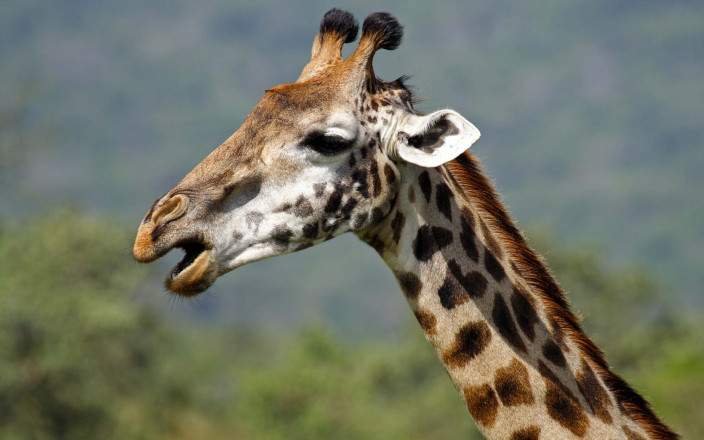
A Tanzania Northern Circuit safari offers exceptional wildlife viewing across three iconic ecosystems. In Tarangire National Park, you'll encounter large elephant herds, buffalo, giraffes, zebras, and various antelope species. The Serengeti is home to the Big Five (lion, leopard, rhino, elephant, and buffalo), along with wildebeest, zebras, hyenas, and numerous bird species. At Ngorongoro Crater, you have outstanding chances to spot all five members of the Big Five in a single day, plus hippos, jackals, and other wildlife concentrated within the crater's unique ecosystem. The specific animals you see depend on the season and time of day during your game drives.
Tanzania offers excellent safari experiences year-round, but the best time depends on what you want to see. The dry season from June to October provides the clearest skies and best game viewing, as wildlife congregates around water sources. This period is also ideal for witnessing the Great Migration in the Serengeti, particularly July through October. The shoulder seasons of November to December and February to March offer lush landscapes, fewer crowds, and excellent wildlife viewing. The wet season (April to May) is less popular but features dramatic scenery and abundant birdlife. Consider your wildlife priorities and crowd preferences when choosing your travel dates.
A 5-day safari is an excellent duration for exploring Tanzania's Northern Circuit, allowing you to visit three major destinations: Tarangire National Park, Serengeti National Park, and Ngorongoro Crater. This timeframe provides sufficient days in each location for multiple game drives and genuine wildlife encounters while minimizing travel fatigue. Five days gives you approximately 2 days in the Serengeti, allowing for deeper exploration of this vast ecosystem and better chances of witnessing diverse wildlife and natural behaviors. Longer safaris of 6-8 days would provide additional game drive opportunities, but 5 days strikes a good balance between experience depth and travel logistics.
Pack neutral-colored, breathable clothing in earth tones (khaki, tan, olive) for game drives, as bright colors can startle wildlife. Bring layers, as early morning and evening drives can be cool despite daytime heat. Essential items include a wide-brimmed hat, high-SPF sunscreen, sunglasses, and a light rain jacket. Comfortable walking shoes and closed-toe hiking boots are important for uneven terrain. Bring binoculars for better wildlife viewing, a camera with extra batteries and memory cards, and any personal medications. Pack insect repellent and consider antimalarial medication as advised by your doctor. A small daypack, toiletries, and any specific personal items are also recommended. Check weather forecasts for your specific travel dates and pack accordingly.
Yes, the Great Migration is viewable on a Serengeti safari, but timing is crucial. This natural phenomenon occurs year-round as approximately 1.5 million wildebeest and zebras move in a circular pattern across the Serengeti and Masai Mara ecosystems. The migration typically reaches the Serengeti's northern regions from June through October, making this the prime season for witnessing this spectacular event. During these months, you have excellent chances of seeing massive herds, river crossings, and predator-prey interactions. If viewing the migration is your priority, plan your safari for this window. However, the Serengeti offers outstanding wildlife viewing throughout the year, even outside migration season.
A 5-day Northern Circuit safari in Tanzania typically ranges from $2,500 to $6,000 per person, depending on accommodation quality, season, and operator. Budget safaris with basic lodging start around $2,500-$3,500, while mid-range options with comfortable accommodations range from $3,500-$5,000. Luxury safaris with premium lodges or tented camps can exceed $6,000. Most safari packages include accommodation, park entrance fees, game drives, meals, and airport transfers, significantly reducing additional costs. Peak season travel (June-October) is more expensive than shoulder or wet seasons. International flights, travel insurance, visa fees, and guide tips are typically not included and should be budgeted separately.
Ngorongoro Crater is a UNESCO World Heritage Site and one of the world's largest intact volcanic calderas, located in Tanzania. The crater spans approximately 19 kilometers across and descends about 600 meters, creating a unique self-contained ecosystem. What makes it extraordinary for safari is the exceptional wildlife density within the crater's enclosed environment. The concentrated wildlife population—including all members of the Big Five—offers outstanding viewing opportunities, often within a single day of game drives. The crater's varied habitats support diverse species, from lions and elephants to flamingos and numerous bird species. The dramatic landscape, combined with the geological significance and wildlife abundance, makes Ngorongoro one of Africa's most remarkable safari destinations.
Yes, a guide is essential and required for all safari activities in Tanzania's national parks and protected areas. Professional guides are knowledgeable about wildlife behavior, ecology, and park regulations, significantly enhancing your safari experience. They can locate animals, explain natural behaviors, provide cultural insights, and ensure your safety. Guides are typically included in safari packages and travel with you in a private 4x4 safari vehicle throughout your journey. A good guide makes the difference between simply seeing wildlife and truly understanding the ecosystem and animal interactions. Guides are especially valuable for spotting elusive animals like leopards and for interpreting the complex dynamics of predator-prey relationships you'll witness during game drives.
A comprehensive Northern Circuit safari package typically includes accommodation at selected lodges or camps throughout your journey, all national park entrance fees, all game drives and wildlife viewing activities, meals as specified in the itinerary, airport transfers, transportation in a private 4x4 safari vehicle, bottled mineral water during game drives, and all applicable taxes. Most packages feature a professional guide throughout the safari. However, items usually not included are international and domestic flights, guide tips (which are customary and appreciated), travel insurance, visa fees, personal items such as laundry services, and any additional accommodation before or after the safari. Review your specific package details carefully to understand exactly what's covered and budget accordingly for exclusions.
Game drives on a Tanzania safari typically last 3-4 hours each, with most safaris featuring morning and afternoon/evening drives daily. Morning drives usually begin before sunrise (around 6-7 AM) and continue for 3-4 hours, taking advantage of peak wildlife activity when animals are actively feeding and moving. Afternoon drives typically start in the late afternoon (around 3-4 PM) and continue until sunset, another active period for wildlife. The exact duration can vary based on wildlife sightings, terrain, and park regulations. Between drives, you'll return to your accommodation for breakfast, lunch, rest, and refreshment. This schedule maximizes wildlife viewing opportunities while allowing rest during midday heat. Experienced guides adjust timing and routes based on recent wildlife activity reports and sightings.
© 2026 SafariFind. All rights reserved.
