 1 / 5
1 / 5 5 daysprivate
5-Day Northern Legends Luxury Safari – Samburu & Meru NP
byHideaway safaris & expeditions
Highlights
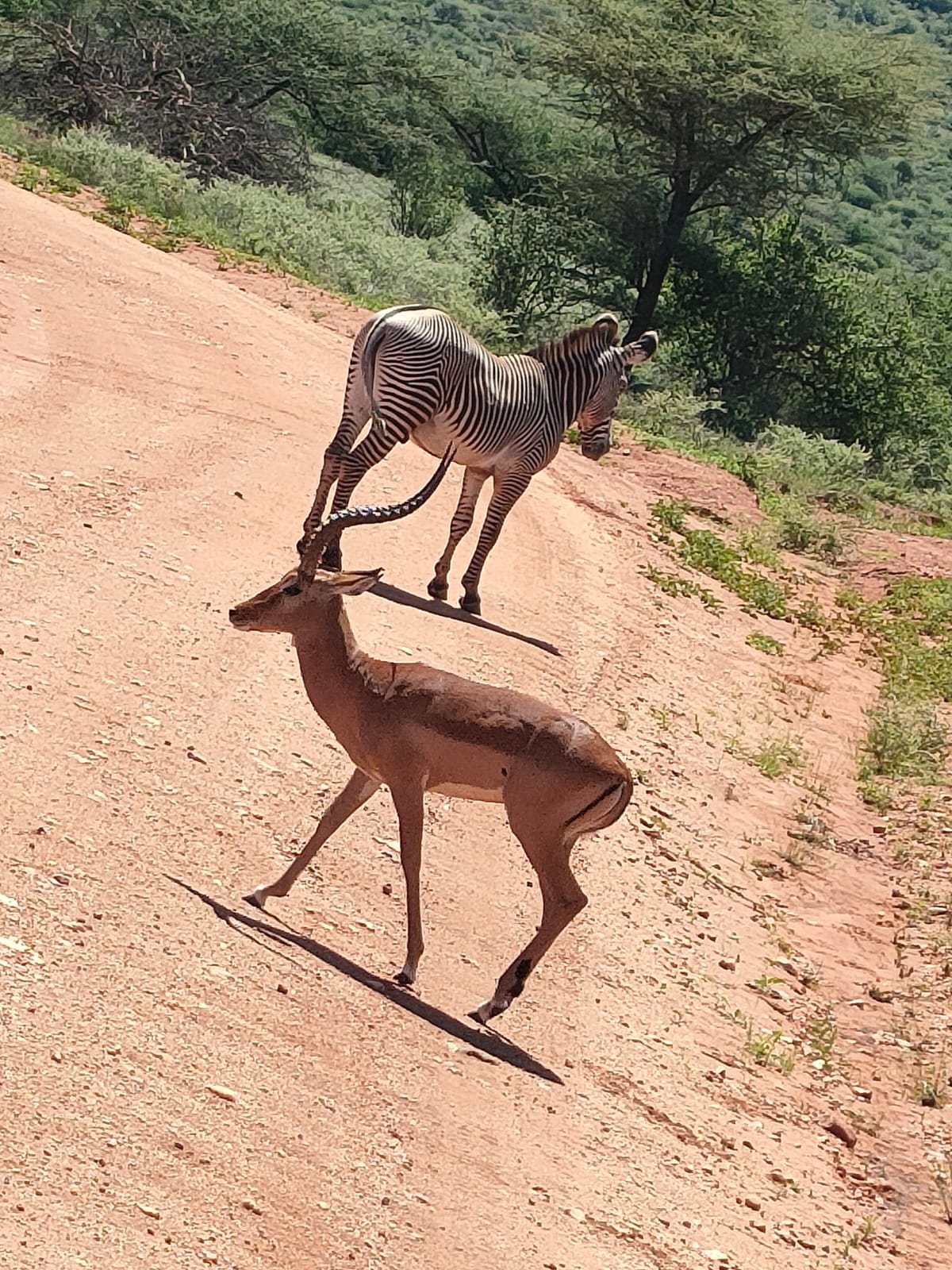
- Samburu culture with sightings of rare northern species and birds
Loading SafariFind...
1 / 5byHideaway safaris & expeditions
Arrival Nairobi & transfer to Meru National Park
Meru National Park
Meals: Dinner
Meru National Park Full Day Experience
Meru National Park
Meals: Breakfast, Lunch, Dinner
Meru NP - Samburu National Reserve
Samburu National Reserve
Meals: Breakfast, Lunch, Dinner
Samburu NR Full Day Experience
Samburu National Reserve
Meals: Breakfast, Lunch, Dinner
Samburu NR - Nairobi
Nairobi
Meals: Breakfast
Year Round
Year-round
| Season | Solo traveler | 2 people | 3 – 4 people | 5 – 6 people | 7+ people | Child rate | Single suppl. |
|---|---|---|---|---|---|---|---|
Year Round Year-round | $4,670 | $3,110 | $2,800 | $2,650 | $2,490 | $2,180 | $930 |
Child rate applies to travelers under 12 years. Single supplement applies to solo travelers taking their own room.
The Samburu Special Five refers to five unique wildlife species found exclusively or predominantly in the Samburu region of northern Kenya: the reticulated giraffe, Somali ostrich, gerenuk, Samburu striped zebra, and beisa oryx. These remarkable animals have adapted to the arid, semi-desert environment of Samburu National Reserve and are rarely seen in other parts of Kenya. A safari to Samburu offers one of the best opportunities to spot all five species in their natural habitat, making it a bucket-list destination for wildlife enthusiasts and photographers seeking to encounter Africa's most specialized fauna.
Meru National Park is home to an impressive array of wildlife, including the Big Five (lions, elephants, buffalo, leopards, and rhinos), making it particularly renowned for its thriving rhino sanctuary. Beyond the Big Five, visitors can encounter giraffes, zebras, wildebeest, hyenas, wild dogs, cheetahs, and numerous antelope species. The park's diverse ecosystems—from riverine forests to open grasslands—support over 400 bird species, making it exceptional for birdwatching. Meru's relative remoteness compared to other Kenyan parks means wildlife viewing often feels more exclusive and intimate.
A 5-day safari is an ideal duration to experience both Samburu National Reserve and Meru National Park meaningfully. This timeframe allows you to spend dedicated time in each destination—typically 2-3 full days in each park—giving you sufficient opportunities for multiple game drives and wildlife encounters. The 5-day structure also accounts for travel between the two parks and arrival/departure logistics. While shorter safaris are possible, 5 days provides the best balance for experiencing the distinct landscapes, wildlife, and ecosystems of both reserves without feeling rushed.
The best time to visit Samburu and Meru National Parks is during the dry seasons: June to October and January to February. During these periods, vegetation is sparse, making wildlife easier to spot as animals concentrate around water sources. The dry season also offers more comfortable weather for game drives and clearer skies for photography. The wet season (March to May and November to December) brings lush green landscapes and excellent birdwatching, though wildlife can be more dispersed and roads may be challenging. Most travelers prefer the dry seasons for optimal safari experiences, though each season offers unique advantages.
For a safari to Samburu and Meru, pack lightweight, neutral-colored clothing in layers, as mornings and evenings can be cool while midday temperatures are warm. Essentials include a wide-brimmed hat, high-SPF sunscreen, sunglasses, and a light scarf or buff for dust protection. Bring sturdy, closed-toe hiking boots or safari shoes for game drives and walking. A camera with a good zoom lens is invaluable for wildlife photography. Don't forget binoculars, a headlamp or flashlight, insect repellent, and any personal medications. Pack a light rain jacket even during dry seasons, as weather can be unpredictable. Neutral earth tones blend better with the landscape for photography and don't disturb wildlife.
Yes, a 4x4 vehicle is essential for safari in Kenya's national parks and reserves, including Samburu and Meru. These vehicles are specifically designed to navigate unpaved, often rough terrain while providing elevated viewing platforms for spotting wildlife. A sturdy 4x4 allows your guide to access remote areas where wildlife congregates and to traverse through various landscapes—from sandy riverbeds to rocky outcrops—safely and comfortably. Professional safari operators always provide well-maintained 4x4 vehicles equipped with open or pop-up roofs for optimal game viewing and photography. The vehicle's design ensures both your safety and the best possible wildlife encounter experience.
A comprehensive all-inclusive safari package typically covers park entrance fees, accommodation at selected lodges, all meals (breakfast, lunch, and dinner), transportation via private 4x4 vehicle, and a professional English-speaking guide. Bottled water during game drives is usually provided to keep you hydrated in the African heat. Government taxes and VAT are also included in the package price. However, items generally not included are international flights, travel insurance, visa fees, alcoholic beverages, tips and gratuities for staff, personal expenses, optional activities, and travel vaccinations. It's important to clarify what's included with your operator and budget separately for these excluded items.
Samburu National Reserve stands out for its dramatically different landscape compared to Kenya's more famous parks like the Masai Mara or Amboseli. The reserve features rugged, arid, semi-desert terrain with sparse vegetation, rocky outcrops, and a distinctive ecosystem shaped by minimal rainfall and extreme heat. This harsh environment has created a unique wildlife community adapted to aridity—the Samburu Special Five thrive here specifically because of these conditions. The landscape's raw, untamed beauty offers a more remote and exclusive safari experience, with fewer crowds than popular destinations. The contrast between Samburu's arid terrain and Meru's lusher, more forested landscape makes a combined safari particularly rewarding for experiencing Kenya's ecological diversity.
While travel insurance is not always mandatory, it is highly recommended for any safari to Africa. Comprehensive travel insurance should cover trip cancellations, medical emergencies, evacuation, lost luggage, and travel delays. Kenya has good medical facilities in major cities, but remote safari areas may have limited healthcare access, making evacuation coverage particularly important. Insurance also protects your financial investment in case you need to cancel or cut short your trip due to unforeseen circumstances. Before purchasing, verify that your policy covers adventure activities, safari-related incidents, and medical treatment in Kenya. Check with your insurance provider about specific coverage requirements for your destination and activities.
Before traveling to Kenya, consult with a travel health clinic at least 4-6 weeks before your departure. Yellow fever vaccination is recommended (sometimes required depending on your origin country), and malaria prophylaxis is typically advised, particularly for lower-altitude areas like Samburu and Meru. Vaccinations for typhoid, hepatitis A and B, and routine immunizations are commonly recommended. Ensure your tetanus protection is current. During your safari, prevent malaria by using insect repellent, wearing long sleeves and pants during dawn and dusk, and sleeping under mosquito nets. Drink bottled or purified water, practice good food hygiene, and carry a basic medical kit. Travel insurance that covers medical emergencies is essential. Always consult official health advisories and your healthcare provider for the most current recommendations.
 Hideaway safaris & expeditions Nairobi, Kenya
© 2026 SafariFind. All rights reserved.