5 daysprivate
5-Day Ol Pejeta, Lake Nakuru & Maasai Mara Safari
Highlights
- Big Five game drives in Maasai Mara
- Witness the Great Wildebeest Migration
Loading SafariFind...
Nairobi to Ol pejeta
Ol Pejeta Conservancy
Meals: Lunch, Dinner
Ol pejeta to Lake Nakuru
Lake Nakuru National Park
Meals: Breakfast, Lunch, Dinner
Lake Nakuru to Maasai Mara National Reserve
Maasai Mara National Reserve
Meals: Breakfast, Lunch, Dinner
Full Eploration of the Maasai Mara
Maasai Mara National Reserve
Meals: Breakfast, Lunch, Dinner
Maasai Mara to Nairobi
Nairobi
Meals: Breakfast
Year Round
Year-round
| Season | Solo traveler | 2 people | 3 – 4 people | 5 – 6 people | 7+ people | Child rate | Single suppl. |
|---|---|---|---|---|---|---|---|
Year Round Year-round | $3,620 | $2,410 | $2,170 | $2,050 | $1,930 | $1,690 | $720 |
Child rate applies to travelers under 12 years. Single supplement applies to solo travelers taking their own room.
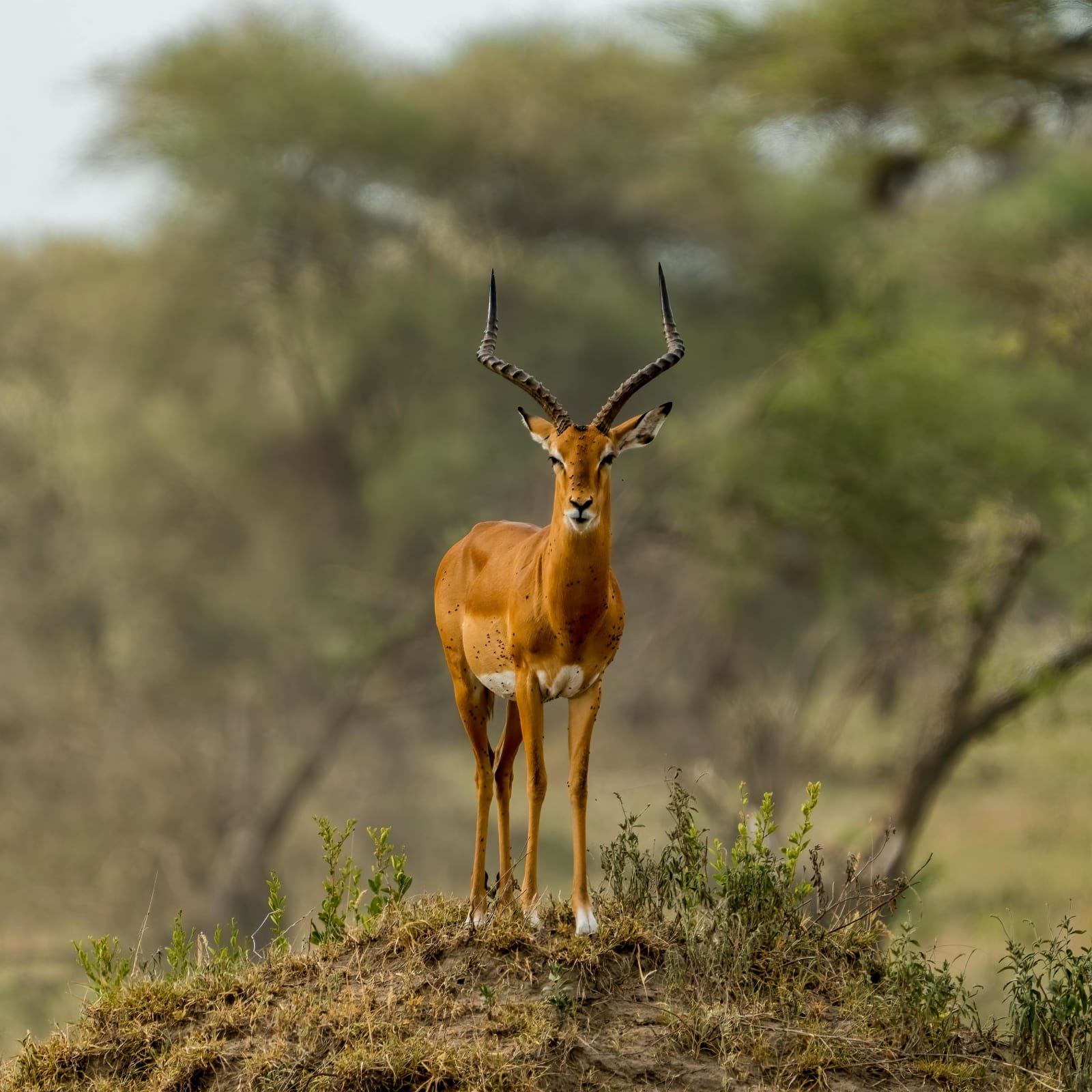
The Maasai Mara is home to an exceptional variety of wildlife, including the iconic Big Five: lions, elephants, buffalo, leopards, and rhinoceros. You'll also encounter zebras, giraffes, wildebeest, gazelles, hyenas, cheetahs, and numerous bird species. The reserve is particularly famous for the Great Migration (July-October), when massive herds of wildebeest and zebras cross the Mara River. A 5-day safari with dedicated game drives provides excellent opportunities to spot these animals across different habitats and times of day when wildlife is most active.
Kenya offers excellent safari experiences year-round, but the best times depend on what you want to see. The dry seasons (June-October and January-February) offer the best game viewing as animals congregate around water sources and vegetation is sparse, making spotting easier. July to October is peak season for witnessing the Great Migration in the Maasai Mara. The wet seasons (November-December and March-May) bring lush landscapes, fewer tourists, and excellent bird watching. A 5-day safari is ideal during the dry seasons when wildlife viewing is most productive.
Essential items for a Kenya safari include neutral-colored clothing (khaki, tan, olive green) to blend into the landscape, lightweight long sleeves and pants for sun and insect protection, a wide-brimmed hat, sunglasses, and sturdy hiking boots. Bring high-SPF sunscreen, insect repellent, and a light jacket for early morning and evening game drives when temperatures drop. Pack binoculars for better wildlife viewing, a camera with extra batteries and memory cards, and any personal medications. Toiletries, a flashlight, and a reusable water bottle are also recommended. Most safari lodges provide basic amenities, but confirm specifics with your operator.
While specific vaccination requirements depend on your home country and medical history, certain vaccinations are commonly recommended for Kenya travel. Yellow fever vaccination is often advised, and some countries may require proof of vaccination for entry. Malaria prophylaxis is typically recommended for most regions of Kenya, including the safari areas. Routine vaccinations (MMR, tetanus, etc.) should be up to date. It's essential to consult with a travel medicine clinic or your healthcare provider 4-6 weeks before your trip to receive personalized recommendations based on your health status and the specific regions you'll visit.
The cost of a 5-day Kenya safari varies based on accommodation quality, season, and operator. Budget safaris typically range from $1,500-$3,000 per person, mid-range options from $3,000-$6,000, and luxury safaris from $6,000 and upward. A private 5-day safari with inclusions such as all park fees, accommodation, professional guiding, meals, and vehicle transfers provides good value as it eliminates hidden costs. Peak season (July-October) commands higher prices than shoulder seasons. Always verify what's included in the quoted price, as some operators exclude items like travel insurance, tips, alcoholic beverages, and optional activities.
Comprehensive safari packages typically include park entrance fees, comfortable accommodation within or near national reserves, a private 4x4 safari vehicle with a pop-up roof for optimal game viewing, a professional English-speaking guide, all meals (breakfast, lunch, and dinner), bottled water during game drives, and airport transfers. These inclusions eliminate most surprises and provide excellent value. However, items not typically included are international airfare, travel insurance, visa fees, alcoholic beverages, tips and gratuities, personal expenses, and optional activities like hot air balloon rides. Always review the detailed inclusions and exclusions before booking to understand your costs.
A minimum of 3-4 days allows you to experience Kenya's major safari destinations, but 5-7 days is ideal for a comprehensive safari. A 5-day itinerary gives you sufficient time to visit multiple ecosystems—such as Ol Pejeta Conservancy, Lake Nakuru National Park, and the Maasai Mara—without excessive travel between locations. This duration allows for multiple game drives in each area, increasing wildlife sighting opportunities and reducing transit fatigue. You'll have time to experience different habitats (forests, grasslands, lakes) and increase chances of encountering diverse species, including elusive animals like leopards and rhinos.
National parks like Lake Nakuru and the Maasai Mara are government-protected areas with established infrastructure, diverse wildlife, and regulated tourism. Conservancies like Ol Pejeta are privately or community-managed reserves that often offer more exclusive experiences with smaller visitor numbers, flexible game drive routes, and opportunities for activities like walking safaris. Both offer excellent wildlife viewing, but conservancies may provide a more personalized experience with less crowding, while national parks offer the advantage of established facilities and guaranteed protection of large wildlife populations. A 5-day safari combining both provides the best of both experiences.
A private safari vehicle offers distinct advantages over shared vehicles. With a private 4x4, you have flexibility in your itinerary, can stop longer at wildlife sightings, and enjoy a more personalized experience with your guide. The vehicle can be positioned optimally for photography and game viewing without competing for space with other tourists. A pop-up roof provides unobstructed views and excellent photo opportunities. However, private safaris are more expensive than shared group tours. For a 5-day safari, a private vehicle is worth the investment if you value comfort, flexibility, and exclusive access to wildlife viewing opportunities.
Most international travelers fly into Jomo Kenyatta International Airport in Nairobi, Kenya's main hub. From there, you can take domestic flights or drive to safari destinations. Visa requirements vary by nationality—many countries can obtain a visa on arrival, while others should apply in advance through the Kenyan immigration website or embassy. Most visas are valid for 90 days. It's advisable to check the Kenyan government's official immigration portal for your specific country's requirements at least 6-8 weeks before travel. Ensure your passport is valid for at least 6 months beyond your travel dates. Airport transfers are typically included in safari packages, making the transition from international flights to your safari straightforward.
 Mara Whisper SafarisNairobi, Kenya5.0(4 reviews)
© 2026 SafariFind. All rights reserved.