 1 / 91 / 9
Loading SafariFind...
1 / 9Nairobi – Ol Pejeta Conservancy
Ol Pejeta Conservancy
Meals: Lunch, Dinner
Full Day at Ol Pejeta Conservancy
Ol Pejeta Conservancy
Meals: Breakfast, Lunch, Dinner
Ol Pejeta – Samburu National Reserve
Samburu National Reserve
Meals: Breakfast, Lunch, Dinner
Full Day in Samburu National Reserve
Samburu National Reserve
Meals: Breakfast, Lunch, Dinner
Samburu – Nairobi
Nairobi
Meals: Breakfast
Year Round
Year-round
| Season | Solo traveler | 2 people | 3 – 4 people | 5 – 6 people | 7+ people | Child rate |
|---|---|---|---|---|---|---|
Year Round Year-round | $2,860 | $1,850 | $1,660 | $1,420 | $1,320 | $1,710 |
Child rate applies to travelers under 12 years.
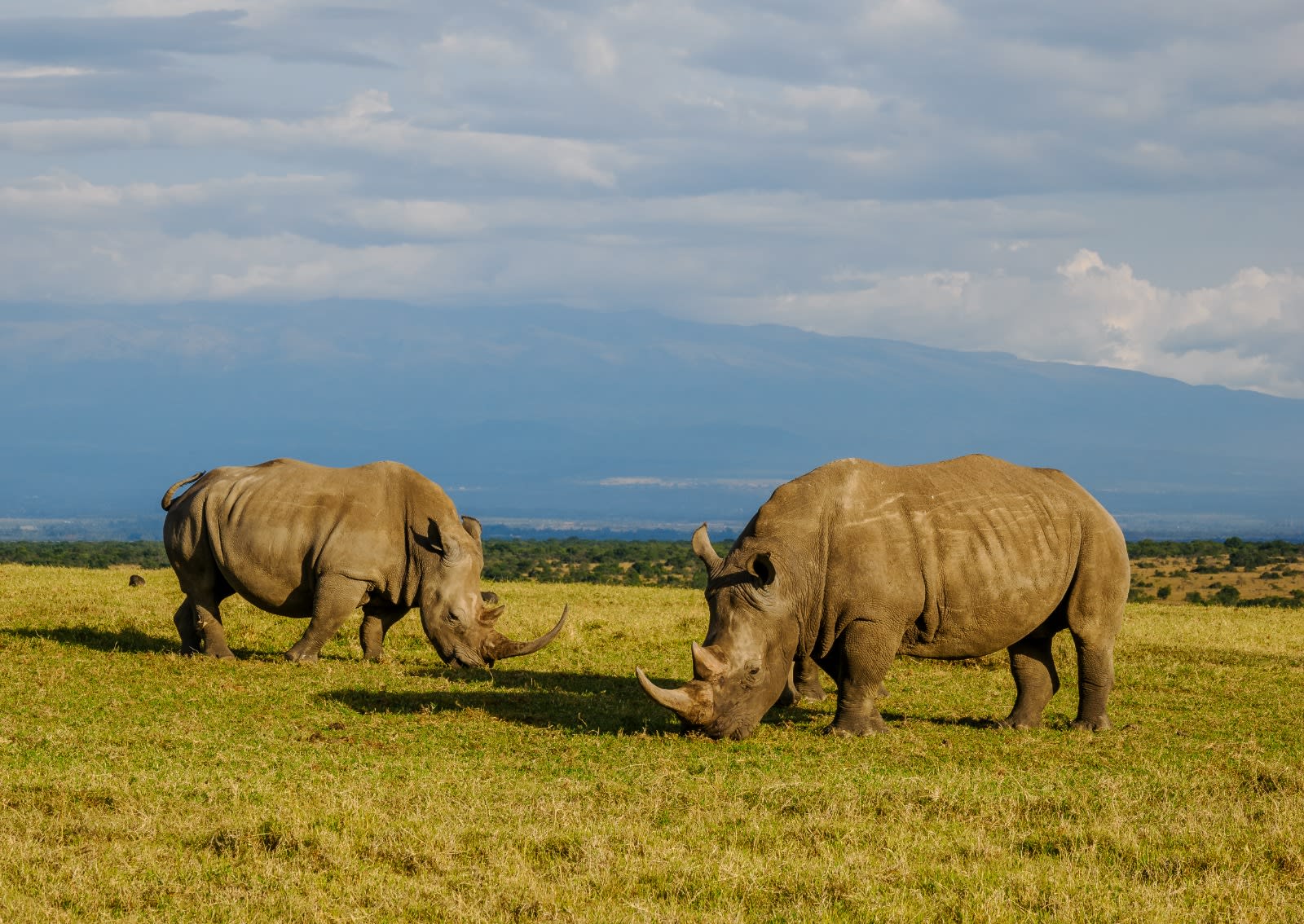
Ol Pejeta Conservancy and Samburu National Reserve are home to diverse wildlife experiences. Ol Pejeta is renowned for its rhino sanctuary, where you can see both black and white rhinos, along with the Big Five (lion, leopard, elephant, buffalo, and rhinoceros), chimpanzees, and numerous other species. Samburu National Reserve offers unique wildlife adapted to the arid northern landscape, including the Samburu Special Five—reticulated giraffe, Somali ostrich, beisa oryx, gerenuk, and Grevy's zebra—plus lions, elephants, leopards, and various bird species. The combination of these two reserves provides an exceptional variety of wildlife viewing opportunities across different ecosystems.
A 5-day safari is an ideal duration for exploring northern Kenya's premier destinations. This timeframe allows you to spend multiple days in each reserve, increasing your chances of encountering diverse wildlife and experiencing the landscapes thoroughly. Five days provides enough time to acclimate to the region, enjoy multiple game drives at different times of day (when wildlife is most active), and have a meaningful conservation experience without feeling rushed. Shorter safaris may limit wildlife sightings, while longer trips allow for even deeper exploration and relaxation.
The best time to visit Ol Pejeta Conservancy and Samburu National Reserve is during the dry seasons: June to October and January to February. During these periods, wildlife congregates around water sources, making game drives more productive. The landscape is also more accessible, and visibility is excellent for photography. The wet seasons (March to May and November to December) bring lush vegetation and fewer tourists, but some roads may be challenging and wildlife is more dispersed. Each season offers unique advantages, so your choice depends on your priorities regarding wildlife density, landscape aesthetics, and travel preferences.
For a safari in northern Kenya, pack lightweight, neutral-colored clothing in earth tones (khaki, green, brown) to blend with the environment and avoid disturbing wildlife. Bring long-sleeved shirts and pants for sun protection and insect prevention, a warm fleece or jacket for early morning and evening game drives when temperatures drop, and a wide-brimmed hat and sunglasses. Essential items include high-SPF sunscreen, insect repellent, binoculars for wildlife viewing, a camera with extra batteries, and comfortable walking shoes. Pack toiletries, any personal medications, and a small daypack. Bring a light rain jacket even during dry seasons. Most lodges provide basic amenities, but confirm specifics with your operator beforehand.
Visa requirements for Kenya depend on your nationality. Many countries' citizens can obtain a visa on arrival or apply for an e-visa online before travel, which is convenient and typically processed quickly. Some nationalities may be exempt from visa requirements for short stays. We recommend checking the official Kenyan immigration website or contacting your nearest Kenyan embassy for current requirements specific to your passport. You'll also need a passport valid for at least six months beyond your travel dates. It's best to arrange these documents well in advance of your trip to avoid any travel complications.
Yellow fever vaccination is often recommended for travel to Kenya, and some countries may require proof of vaccination upon entry. Malaria prophylaxis is strongly advised, particularly for northern regions like Samburu and Ol Pejeta, which have malaria transmission risk. Routine vaccinations (measles, mumps, rubella, tetanus, etc.) should be up to date. Consult with a travel medicine clinic or your healthcare provider at least 4-6 weeks before your trip to receive personalized recommendations based on your health history and the specific regions you'll visit. They can also prescribe appropriate malaria prevention medication and advise on other health precautions.
A comprehensive northern Kenya safari package typically includes accommodation for the duration of your stay, professional guided game drives in a 4x4 safari vehicle, all national park and conservancy entrance fees, transportation to and from your starting point (usually Nairobi), and bottled drinking water during game drives. Most packages feature experienced English-speaking guides who provide wildlife expertise and cultural insights. What's typically not included are international flights, visa fees, travel insurance, tips and gratuities for staff, personal items, and meals beyond what's specified. Always review your specific package details to understand exactly what's covered, and budget separately for these additional expenses.
Safari costs in northern Kenya vary based on accommodation quality, season, and package inclusions. Mid-range safaris typically range from $1,500 to $3,500 per person for a 5-day experience, including lodging, meals, game drives, and park fees. Budget safaris may cost less, while luxury options can exceed $5,000+ per person. Peak season (June-October) is generally more expensive than shoulder seasons. Costs also depend on group size—larger groups often have lower per-person rates. Additional expenses to budget include international flights, visas, travel insurance, tips, and personal spending. We recommend requesting detailed quotes from operators and comparing what's included in each package to find the best value for your budget.
Yes, a 4x4 safari vehicle is essential for exploring Samburu National Reserve and Ol Pejeta Conservancy. These reserves feature diverse terrain—from rocky outcrops and riverine areas to sandy tracks and off-road routes—that require four-wheel-drive capability for safe and reliable access. A 4x4 vehicle allows your guide to navigate to prime wildlife viewing locations, cross seasonal water crossings, and reach areas where animals congregate. Most safari vehicles feature pop-up roofs, providing excellent vantage points for photography and wildlife observation while maintaining safety. The specialized suspension and traction of 4x4 vehicles ensure comfort on rough terrain and enable your driver to position the vehicle optimally for wildlife encounters.
Ol Pejeta Conservancy is one of Kenya's most significant private wildlife reserves and is globally renowned for its rhino conservation efforts. It's home to the world's last two northern white rhinos (females), making it a unique destination for witnessing critically endangered species. Beyond rhinos, Ol Pejeta protects healthy populations of black rhinos, the Big Five, chimpanzees (in a sanctuary setting), and over 400 bird species. The conservancy combines world-class wildlife viewing with active conservation work, offering visitors the opportunity to support endangered species protection. Its proximity to the equator and diverse habitats—from acacia woodlands to riverine forests—create excellent conditions for wildlife encounters. Visiting contributes directly to conservation funding, making it both an educational and impactful safari destination.
 Sanaya Tours and SafarisNairobi, Kenya5.0(4 reviews)
© 2026 SafariFind. All rights reserved.