 1 / 4
1 / 4 5 daysprivate
5-Day Tanzania Safari
Highlights
- Full-day game drive in Tarangire National Park
Loading SafariFind...
1 / 4Arusha to Tarangire National Park
Tarangire National Park
Meals: Dinner
Karatu to Serengeti National Park
Karatu
Meals: Breakfast, Lunch, Dinner
Full Day Game Drive in Serengeti
Serengeti National Park
Meals: Breakfast, Lunch, Dinner
Serengeti to Ngorongoro Conservation Area
Ngorongoro Crater
Meals: Breakfast, Lunch, Dinner
Ngorongoro Crater & Return to Arusha
Arusha
Meals: Breakfast
Year Round
Year-round
| Season | 2 people |
|---|---|
Year Round Year-round | $2,500 |
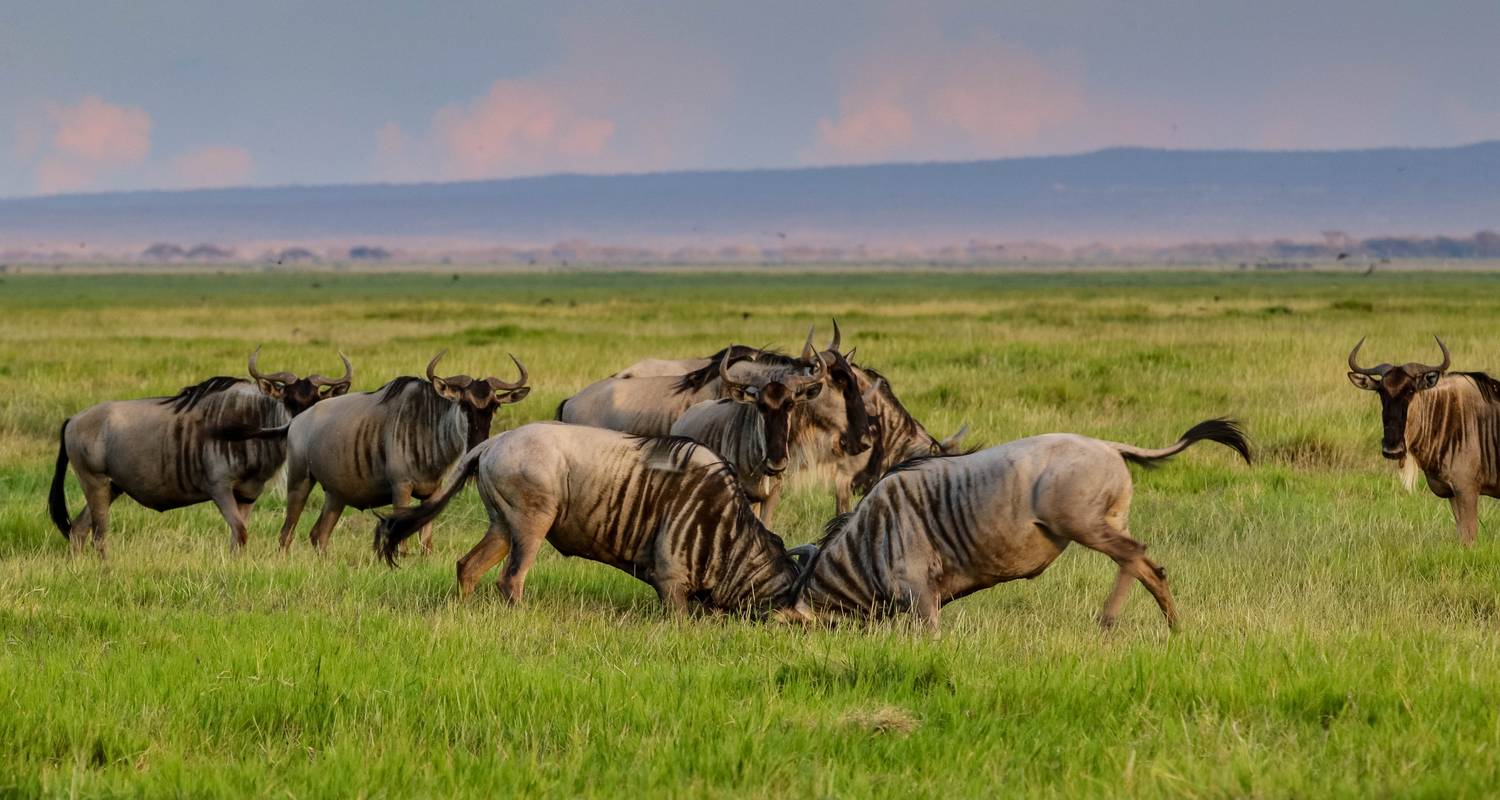
Tanzania's northern safari circuit is renowned for its incredible wildlife diversity. You can expect to see the Big Five—lions, leopards, elephants, buffalo, and rhinos—along with giraffes, zebras, cheetahs, wildebeests, and numerous bird species. The variety of animals you encounter depends on the season and specific parks you visit. Tarangire National Park is particularly famous for its large elephant herds, while the Serengeti offers exceptional predator sightings and the annual wildebeest migration. The Ngorongoro Crater, often called the 'Eighth Wonder of the World,' is a self-contained ecosystem where you can spot an impressive concentration of wildlife in a single day.
Yes, 5 days is a good duration for a Tanzania safari, especially if you're visiting the northern circuit parks like Tarangire, Serengeti, and Ngorongoro Crater. This timeframe allows you to spend meaningful time in multiple ecosystems and increases your chances of seeing diverse wildlife. Each park offers unique experiences—you'll have sufficient time for multiple game drives and to truly appreciate the landscapes and wildlife. However, if you have more time available, extending your safari to 6-7 days would allow for more leisurely exploration and additional game drives, potentially increasing wildlife sightings.
Tanzania safaris are excellent year-round, but the best times depend on what you want to experience. The dry season from June to October offers the best wildlife viewing because animals congregate around water sources, making them easier to spot. During this period, the landscape is less green, providing better visibility. The short rains from November to December and long rains from March to May bring lush vegetation and are ideal for bird watching and seeing newborn animals. The dry season is peak tourist season, so expect more visitors and higher prices. If you're interested in witnessing the Great Migration in the Serengeti, visit between June and October when massive herds move through the region.
Packing smart ensures comfort and safety on your safari. Bring neutral-colored, lightweight clothing in earth tones (khaki, tan, green, brown) as bright colors can startle wildlife. Include long sleeves and pants for sun protection and insect defense. Pack a warm layer or fleece for early morning and evening game drives, which can be chilly. Essential items include a wide-brimmed hat, high-SPF sunscreen, sunglasses, and insect repellent. Bring binoculars for better wildlife viewing and a camera with extra batteries and memory cards. Comfortable, closed-toe hiking boots are crucial for walking on uneven terrain. Don't forget toiletries, medications, and any personal items, though many lodges provide basic amenities. Pack light since luggage space in safari vehicles is limited.
A typical Tanzania safari package includes park entrance fees for all national parks and reserves you visit, professional safari guide services, and a private 4x4 safari vehicle with a pop-up roof for optimal wildlife viewing and photography. Accommodation at safari lodges or camps throughout your journey is included, along with all meals as specified in your itinerary. You'll also receive bottled drinking water during game drives, and special fees like the Ngorongoro Crater service fee are covered. Government taxes and levies are included in the package price, and airport transfers are typically provided. However, international flights, visa fees, travel insurance, alcoholic and soft drinks, personal expenses, optional activities, and tips for guides and lodge staff are usually not included.
Visa requirements for Tanzania depend on your nationality. Many countries' citizens can obtain a visa on arrival at Tanzanian airports, while others must apply in advance through a Tanzanian embassy or consulate. Some nationalities are eligible for visa-free entry for short stays. It's essential to check the current visa requirements well before your trip by visiting the official Tanzania immigration website or contacting your nearest Tanzanian embassy. Ensure your passport is valid for at least 6 months beyond your intended departure date. If you need to apply for a visa in advance, do so at least 4-6 weeks before your travel date to allow processing time.
Tanzania safari costs vary significantly based on several factors including the season you travel, accommodation quality, group size, and specific parks included. Budget safaris may start around $1,500-$2,500 per person for a 5-day trip in the low season, while mid-range packages typically range from $2,500-$5,000 per person. Luxury safaris can exceed $5,000-$10,000 or more per person. Peak season (June-October) is more expensive than shoulder or low seasons. A private safari is generally costlier than group tours. Keep in mind that many costs like international flights, visas, travel insurance, drinks, and tips are additional expenses not included in the base package price. Getting quotes from multiple operators and comparing what's included helps you find the best value for your budget.
The Ngorongoro Crater is a UNESCO World Heritage Site and one of Africa's most spectacular natural wonders. Formed approximately 2-3 million years ago, this massive volcanic caldera spans about 19 kilometers (12 miles) in diameter with walls reaching 600 meters (2,000 feet) high. What makes it extraordinary for safari experiences is that it functions as a self-contained ecosystem—a natural amphitheater where you can spot an incredible concentration of wildlife in a relatively small area. The crater floor hosts around 25,000 large animals including lions, elephants, buffalo, zebras, wildebeest, and rhinos. A single game drive in the crater often yields more wildlife sightings than days spent in other parks. The stunning landscape, combined with exceptional wildlife viewing opportunities, makes Ngorongoro Crater a must-visit destination for any Tanzania safari.
A game drive is the primary activity on a safari—a guided journey through wildlife parks in a specially designed vehicle, typically a 4x4 with a pop-up roof for unobstructed viewing and photography. Your professional safari guide drives slowly through the park, scanning for wildlife and navigating to areas where animals are likely to be found. Game drives typically last 3-4 hours and are scheduled for early morning and late afternoon when animals are most active. During these times, you'll search for specific wildlife, observe animal behavior, and learn about the ecosystem from your knowledgeable guide. The pop-up roof allows you to stand safely while viewing and photographing animals. Multiple game drives throughout your safari increase your chances of seeing diverse wildlife. Your guide's expertise is crucial—experienced guides can read animal tracks, understand behavior patterns, and know where to find elusive species like leopards.
Yes, a Tanzania safari is an excellent family adventure and creates unforgettable memories for children of all ages. Many safari operators welcome families and provide family-friendly accommodations and activities. Young children may find long game drives challenging, so consider your children's ages and attention spans when planning. Most lodges offer activities suitable for kids, such as nature walks, cultural visits, and shorter game drives. The excitement of seeing wildlife in its natural habitat captivates most children. However, ensure your children are physically prepared for early morning starts and can handle the vehicle's movement on rough terrain. Discuss any health concerns with your doctor before traveling, and ensure you have appropriate travel insurance covering family members. Working with an experienced safari operator who understands family dynamics can help customize your itinerary to balance wildlife viewing with age-appropriate activities and rest time.
 Elia SafarisArusha, Tanzania5.0(8 reviews)
© 2026 SafariFind. All rights reserved.
