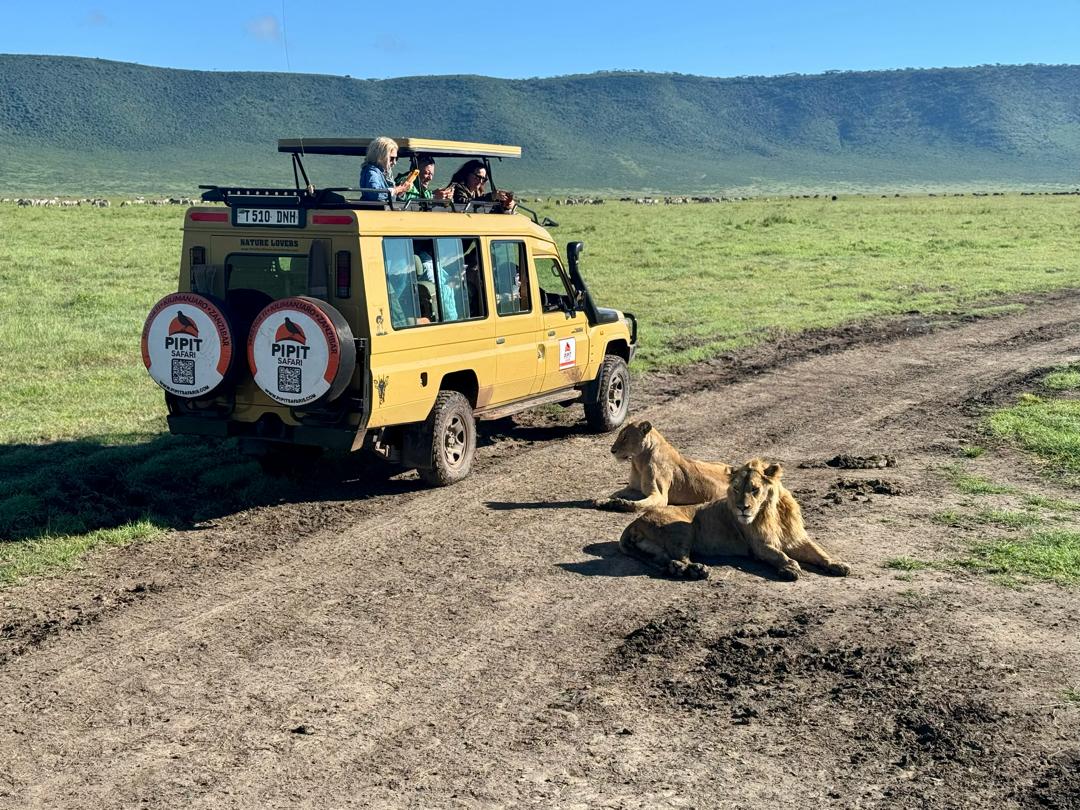
 1 / 2
1 / 2 5 daysprivate
5-Day Tarangire, serengeti and Ngorongoro Crater
byPipit tour and safaris limited
Highlights
- Big five safari
- Game drive
Loading SafariFind...
1 / 2byPipit tour and safaris limited
Arusha to Tarangire National Park
Meals: Lunch, Dinner
Karatu to serengeti National park
Meals: Breakfast, Lunch, Dinner
Full Day Serengeti national Park
Meals: Breakfast, Lunch, Dinner
Serengeti to Ngorongoro Highland
Meals: Breakfast, Lunch, Dinner
Ngorongoro Crater to Departure
Meals: Breakfast, Lunch
High Season
Jun 2026 – Oct 2026
Low Season
Nov 2026 – May 2027
| Season | Solo traveler | 2 people | 3 – 4 people | 5 – 6 people | 7+ people | Child rate | Single suppl. |
|---|---|---|---|---|---|---|---|
High Season Jun 2026 – Oct 2026 | $3,930 | $2,620 | $2,360 | $2,230 | $2,090 | $1,830 | $790 |
Low Season Nov 2026 – May 2027 | $3,340 |
Child rate applies to travelers under 14 years. Single supplement applies to solo travelers taking their own room.
Tanzania's northern safari circuit, particularly Tarangire National Park and Serengeti National Park, offers exceptional opportunities to see the Big Five—lions, elephants, buffalo, leopards, and rhinoceros. Tarangire is especially famous for its large elephant herds, particularly during the dry season when animals congregate around the Tarangire River. The Serengeti hosts diverse wildlife including wildebeest, zebras, gazelles, giraffes, hyenas, and countless bird species. Ngorongoro Crater, another highlight of this region, is a natural amphitheater that concentrates wildlife in a stunning volcanic caldera, making it one of Africa's most reliable spots for viewing the Big Five in a single day.
The best time to visit Tanzania's northern parks depends on what you want to experience. The dry season from June to October offers the best overall wildlife viewing, as animals gather around water sources, making them easier to spot. During these months, the landscape is also less green, providing better visibility. For the Great Migration in the Serengeti—where massive herds of wildebeest and zebras move across the plains—July through September is prime time. The wet season from November to May brings lush green landscapes and fewer tourists, though wildlife is more dispersed. December to February offers excellent conditions with lower prices and shorter rains in some areas.
A 5-day safari covering Tarangire, Serengeti, and Ngorongoro Crater is an ideal duration for experiencing Tanzania's most iconic destinations. This timeframe allows you to spend a full day in each major park with multiple game drives, giving you comprehensive wildlife viewing opportunities and time to appreciate the diverse landscapes. Five days provides a good balance between experiencing the highlights and minimizing travel time between locations. While shorter 3-day safaris are possible, they feel rushed. Longer safaris of 7-10 days allow for deeper exploration and more leisurely pacing, but 5 days is considered the classic sweet spot for first-time visitors.
Pack neutral-colored, lightweight clothing in earth tones (khaki, tan, green, brown) to blend with the landscape and avoid disturbing wildlife. Bring long-sleeved shirts and pants for sun protection and insect defense, especially during dawn and dusk game drives. Essential items include a wide-brimmed hat, high-SPF sunscreen, sunglasses, and a light rain jacket or poncho for the rainy season. Comfortable walking shoes and closed-toe hiking boots are important for lodge walks and uneven terrain. Binoculars are invaluable for spotting distant wildlife, and a camera with a good zoom lens will enhance your experience. Don't forget medications, toiletries, and a headlamp or flashlight for evening use. Pack layers, as early morning and evening game drives can be cool, while midday heat is intense.
Visa requirements for Tanzania depend on your nationality. Most visitors require a visa, which can be obtained on arrival at Julius Nyerere International Airport in Dar es Salaam or in advance from a Tanzanian embassy or consulate. An e-visa is also available for many nationalities through the official Tanzanian immigration website, which is convenient for planning ahead. Your passport must be valid for at least six months beyond your travel dates. We recommend checking the official Tanzania Immigration Services website or contacting your nearest Tanzanian embassy for current requirements specific to your country, as regulations can change. Additionally, ensure you have travel insurance and check any health requirements, including recommended vaccinations like yellow fever.
On a comprehensive 5-day safari package covering Tarangire, Serengeti, and Ngorongoro, three meals daily are typically provided: breakfast, lunch, and dinner. Breakfasts are usually served early before game drives and consist of fruits, cereals, eggs, and fresh bread. Lunch may be a packed meal enjoyed at a scenic viewpoint during game drives or back at the lodge. Dinners are more substantial, featuring local and international cuisine prepared at your lodge. Meals are designed to be nutritious and satisfying, accounting for the physical activity of safari days. Most lodges accommodate dietary restrictions if you inform them in advance. The quality and variety of meals vary by lodge category, from budget-friendly to luxury options. Always confirm specific meal details and dietary accommodations when booking your safari.
A 5-day safari covering Tarangire, Serengeti, and Ngorongoro Crater typically ranges from $2,500 to $8,000+ per person, depending on several factors. Budget safaris with basic accommodations and shared vehicles start around $2,500-$3,500. Mid-range packages with comfortable lodges and experienced guides range from $4,000-$6,000. Luxury safaris with premium accommodations, private vehicles, and exclusive experiences can exceed $8,000 per person. Package inclusions significantly affect pricing—most reputable operators include park fees, meals, professional guides, and airport transfers, which represent substantial value. Costs also vary by season, with peak season (June-October) commanding higher prices than shoulder or low seasons. International flights, travel insurance, visa fees, tips, and optional activities are typically not included and should be budgeted separately. Comparing multiple operators ensures you find the best value for your preferred experience level.
Yes, a Tanzania safari is generally safe for tourists when you follow standard travel precautions and book with reputable operators. Northern Tanzania's safari circuit is well-established with extensive tourism infrastructure, experienced guides, and reliable safety protocols. Professional safari operators conduct regular vehicle maintenance, employ trained guides with wildlife knowledge, and follow strict safety procedures during game drives. Lodges maintain security measures and are accustomed to hosting international visitors. Common sense precautions include staying aware of your surroundings, following your guide's instructions, securing valuables, and using registered taxis or pre-arranged transfers. Like any travel destination, avoid displaying expensive items and be cautious in urban areas outside your safari route. Check current travel advisories from your government before booking. Travel insurance is highly recommended. The vast majority of safari-goers have safe, incident-free experiences with proper planning and reputable operators.
Ngorongoro Crater is a UNESCO World Heritage Site and one of Africa's most remarkable natural wonders—a massive volcanic caldera formed millions of years ago that now functions as a self-contained ecosystem. The crater floor spans approximately 260 square kilometers and is home to an estimated 25,000 large animals, making it exceptionally dense with wildlife. What makes Ngorongoro special for safari is its unique geography: the crater walls create a natural barrier that concentrates wildlife in a compact area, dramatically increasing your chances of seeing the Big Five in a single day. The crater offers stunning scenic beauty with its lush green floor contrasting against steep volcanic walls. It's one of the few places where you can reliably spot black rhinos, which are endangered and rare elsewhere. The crater also provides excellent birdwatching opportunities and cultural encounters with Maasai communities living on the crater rim. A full day in the crater is an unforgettable safari experience.
A Tanzania safari is generally accessible to people of varying fitness levels, though some considerations apply. Most of the experience involves sitting in a safari vehicle during game drives, which requires minimal physical exertion. However, early mornings (typically departing before dawn) and long hours in the vehicle demand reasonable stamina and flexibility. If you have mobility issues, inform your operator in advance—many lodges and vehicles can accommodate wheelchairs or limited mobility with proper planning. The high altitude of some areas (Ngorongoro is around 2,400 meters) may cause mild altitude effects for some visitors; ascending gradually and staying hydrated helps. Heat and sun exposure are significant, so sun protection and adequate hydration are essential. Consult your doctor before traveling, especially regarding vaccinations like yellow fever and malaria prophylaxis, which are recommended for Tanzania. Travel insurance covering medical evacuation is highly advisable. Most people of reasonable health can enjoy a safari comfortably with proper preparation and communication with your operator about any health concerns.
 Pipit tour and safaris limitedarusha, Tanzania
© 2026 SafariFind. All rights reserved.
| $2,230 |
| $2,000 |
| $1,890 |
| $1,780 |
| $1,830 |
| $790 |