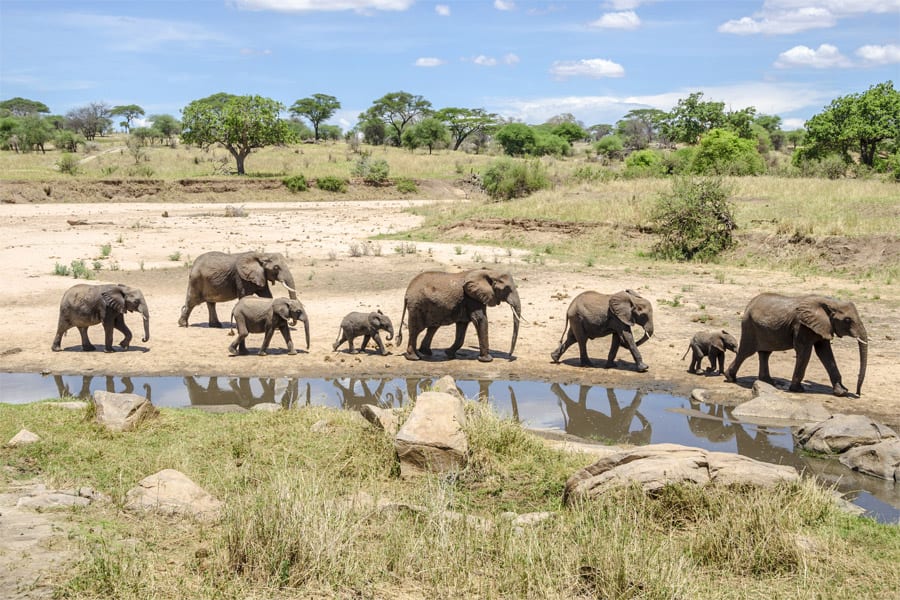
 1 / 41 / 4
Loading SafariFind...
1 / 4Arusha – Tarangire National Park
Tarangire National Park
Meals: Dinner
Karatu – Serengeti National Park
Serengeti National Park
Meals: Breakfast, Lunch, Dinner
Serengeti National Park – Ngorongoro Conservation Area
Ngorongoro Crater
Meals: Breakfast, Lunch, Dinner
Ngorongoro Crater – Arusha
Arusha
Meals: Breakfast, Lunch, Dinner
Materuni Waterfalls & Coffee Experience
Materuni Waterfalls
Meals: Breakfast
Year Round
Year-round
| Season | 2 people |
|---|---|
Year Round Year-round | $1,730 |
The Serengeti is home to an incredible diversity of wildlife, including the Big Five (lions, leopards, elephants, buffalo, and rhinoceros), as well as cheetahs, giraffes, zebras, wildebeest, hyenas, and numerous bird species. The park's vast plains support one of the largest concentrations of large mammals in Africa. Depending on the season, you may also witness the Great Migration, where millions of wildebeest and zebras move across the plains in search of fresh grazing lands. Professional guides can help you spot these animals during game drives and explain their behavior and ecological significance.
Tanzania offers excellent safari experiences year-round, but the best times depend on what you want to see. The dry seasons (June to October and January to February) provide the best game viewing because wildlife concentrates around water sources, making animals easier to spot. June to October is ideal for witnessing the Great Migration in the Serengeti, when massive herds move through the park. The wet season (November to May) brings lush landscapes, fewer tourists, and excellent bird watching, though some roads may be more challenging. Consider your priorities—wildlife density, migration viewing, or landscape photography—when choosing your travel dates.
Yes, the Ngorongoro Crater offers an excellent opportunity to see the Big Five within a single, compact ecosystem. As a UNESCO World Heritage site and the world's largest intact volcanic caldera, the crater supports a resident population of lions, elephants, buffalo, and leopards. The endangered black rhino is also present in the crater, making it one of the few places in Tanzania where you can realistically see all five species in one location. The crater's natural amphitheater creates ideal viewing conditions, and the concentration of wildlife in this enclosed area increases your chances of memorable encounters during game drives.
Pack lightweight, neutral-colored clothing in layers, as temperatures vary between early mornings, midday heat, and evenings. Essentials include long-sleeved shirts and pants for sun and insect protection, a warm fleece or jacket for cool mornings and evenings, comfortable walking shoes, and sturdy hiking boots if you plan to hike to Materuni Waterfalls. Don't forget a wide-brimmed hat, sunglasses, high SPF sunscreen, insect repellent, and a basic first-aid kit. Bring binoculars for wildlife viewing, a camera with extra batteries and memory cards, and any personal medications. A reusable water bottle is useful, though bottled water is provided during game drives. Check weather forecasts closer to your travel dates and consult your healthcare provider about recommended vaccinations.
Driving times in northern Tanzania vary based on road conditions and specific locations. From Tarangire National Park to the Serengeti typically takes 6-8 hours, depending on which gate you use and road conditions. The drive from the Serengeti to Ngorongoro Crater takes approximately 5-7 hours. Travel to Materuni Waterfalls from Ngorongoro takes around 3-4 hours. These distances are covered over multiple days on a typical 5-day safari itinerary, allowing time for game drives and rest. Your professional guide will plan the route efficiently, and transfers are included in most safari packages. Early morning departures help maximize daylight hours for wildlife viewing.
Materuni Waterfalls offers a refreshing change of pace from game drives, combining natural beauty with cultural immersion. Located in the lush foothills of Mount Kilimanjaro, the experience typically includes a scenic hike through tropical forests and coffee plantations where you'll learn about local coffee cultivation. You'll visit a traditional Chagga village to experience authentic local life and participate in an interactive coffee-making demonstration, where community members teach you how coffee is harvested, roasted, and prepared using traditional methods. The waterfall itself provides a stunning natural backdrop and an opportunity to swim in fresh water. This activity offers insights into Tanzanian culture and sustainable agriculture while providing a pleasant physical activity and beautiful photo opportunities.
Visa requirements for Tanzania depend on your nationality. Many countries' citizens can obtain a visa on arrival at Julius Nyerere International Airport in Dar es Salaam or at land borders, though this process can be time-consuming. Alternatively, you can apply for an e-visa online before traveling, which is often more convenient. Some nationalities may be exempt from visa requirements for short stays. It's essential to check the current requirements with the Tanzanian embassy or consulate in your country well before your trip, as regulations can change. Your safari operator may also provide guidance on visa procedures. Ensure your passport is valid for at least six months beyond your travel dates.
Consult your healthcare provider or visit a travel medicine clinic at least 4-6 weeks before your trip for personalized vaccination recommendations based on your health history and the specific areas you'll visit. Yellow fever vaccination is often recommended for Tanzania and may be required depending on your origin country. Other commonly recommended vaccines include typhoid, hepatitis A and B, and routine immunizations. Malaria prophylaxis is typically advised for most safari regions, particularly at lower altitudes. You may also want to discuss rabies vaccination if you'll have extensive outdoor exposure. Carry proof of any required vaccinations, and maintain a record of your health precautions. Your safari operator can provide information about health considerations for specific parks and regions.
Tanzania safari experiences vary widely in group size. Some operators offer private safaris for individuals, couples, or small families with a dedicated vehicle and guide, providing personalized experiences and flexible schedules. Small group tours typically include 4-8 people sharing a vehicle, allowing for social interaction while maintaining reasonable comfort and wildlife viewing opportunities. Larger group safaris may have 10-15+ participants, which can reduce costs but may limit flexibility and increase competition for window seats during game drives. Private 4x4 vehicles are standard on most safari itineraries, ensuring you have good viewing angles regardless of group size. When booking, clarify whether your safari is private, small group, or larger group to ensure it matches your preferences and travel style.
Most comprehensive Tanzania safari packages include park entrance fees, professional English-speaking guides, private 4x4 safari vehicles for game drives, accommodations as specified in the itinerary, all meals (breakfast, lunch, and dinner), bottled water during game drives, and airport transfers. Some packages also cover government taxes and VAT. However, exclusions typically include international airfare, travel insurance, visa fees, alcoholic beverages, tips and gratuities for guides and staff, personal expenses, optional activities, and travel vaccinations. It's important to review your specific package details carefully to understand what's covered and what additional costs you should budget for. Ask your safari operator for a detailed breakdown of inclusions and exclusions to avoid surprises and plan your budget accordingly.
 Pumba ReisenArusha, Tanzania
© 2026 SafariFind. All rights reserved.