 1 / 81 / 8
Loading SafariFind...
1 / 8Day 1
Arusha
Meals: Lunch, Dinner
Day 2
Tarangire National Park
Meals: Breakfast, Lunch, Dinner
Day 3
Lake Manyara National Park
Meals: Breakfast, Lunch, Dinner
Day 4
Ngorongoro Crater
Meals: Breakfast, Lunch, Dinner
Day 5
Arusha/Kilimanjaro Airport
Meals: Breakfast, Lunch
Year Round
Jul 2026 – Dec 2026
| Season | Solo traveler | 2 people | 3 – 4 people | 5 – 6 people | 7+ people | Child rate | Single suppl. |
|---|---|---|---|---|---|---|---|
Year Round Jul 2026 – Dec 2026 | $4,400 | $4,290 | $4,280 | $4,270 | $4,260 | $3,330 | $4,410 |
Child rate applies to travelers under 11 years. Single supplement applies to solo travelers taking their own room.
Tanzania offers exceptional wildlife viewing opportunities across its national parks. In Tarangire National Park, you'll encounter large elephant herds and iconic baobab trees. Lake Manyara is famous for its tree-climbing lions, flamingos, and diverse bird species. The Ngorongoro Crater is one of Africa's most wildlife-rich areas where you have excellent chances of seeing the Big Five (lion, leopard, elephant, buffalo, and rhino), the Ugly Five, and the rare black rhino, along with numerous bird species. The combination of these three ecosystems during a 5-day safari provides comprehensive wildlife viewing across Tanzania's most biodiverse regions.
Yes, Lake Manyara National Park in Tanzania is particularly famous for its tree-climbing lions, a behavior unique to this region. While not every game drive guarantees a sighting, the park has a strong population of these lions, and experienced guides know the areas where they frequently rest in trees during the day to escape insects and heat. This distinctive behavior makes Lake Manyara a must-visit destination for travelers wanting to witness this remarkable phenomenon during their Tanzania safari.
A comprehensive Tanzania safari package typically includes national park entrance fees, all game drives in a private 4x4 vehicle with guaranteed window seats, professional English-speaking guide services, airport transfers, accommodation, meals as specified in your itinerary, drinking water throughout the safari, in-vehicle WiFi access (where network availability permits), and complimentary beer, wine, and non-alcoholic beverages. Private rest rooms and a pop-up vehicle roof for optimal wildlife viewing and photography are also standard inclusions. This ensures you have a comfortable, all-encompassing safari experience without worrying about additional costs during game drives.
A 5-day Tanzania safari is an ideal duration that allows you to experience both cultural immersion and comprehensive wildlife viewing. This timeframe enables you to start with cultural experiences like the Maasai Market, local markets, and cultural heritage sites, then transition to wildlife adventures across three major ecosystems: Tarangire National Park, Lake Manyara National Park, and the Ngorongoro Crater. Five days provides sufficient time for multiple game drives, increases your chances of spotting diverse wildlife including the Big Five, and allows for proper acclimatization and rest. Shorter safaris may feel rushed, while longer ones offer even deeper exploration.
The best time for a Tanzania safari depends on your wildlife priorities. The dry season (June to October) offers excellent game viewing as wildlife congregates around water sources, vegetation is sparse making animals easier to spot, and weather is generally pleasant. December to February is the short rainy season with lush landscapes and fewer tourists, though some roads may be challenging. The long rains (March to May) are generally less ideal for safari. For birdwatching, the wet season brings migratory species. Most travelers prefer June through October for optimal wildlife encounters and comfortable conditions. However, Tanzania's diverse ecosystems mean good wildlife viewing is possible year-round.
Essential items for a Tanzania safari include neutral-colored clothing (khaki, beige, green, brown) that blends with the landscape and doesn't disturb wildlife, lightweight long sleeves and pants for sun and insect protection, a warm layer for early morning and evening game drives, sturdy walking shoes, and a hat or cap. Bring high SPF sunscreen, insect repellent, and personal medications. Photography equipment should include a good camera with a telephoto lens, extra batteries, and memory cards. Binoculars enhance wildlife viewing. Pack toiletries, though most accommodations provide basics. Sunglasses, a reusable water bottle, and a small daypack are practical additions. Check with your operator about specific recommendations, as weather can vary by season.
Visa requirements for Tanzania depend on your nationality. Most visitors require a visa, which can be obtained on arrival at Julius Nyerere International Airport, online through Tanzania's e-visa portal, or in advance from a Tanzanian embassy or consulate. The tourist visa is typically valid for 90 days. Processing times and fees vary by country of origin. Additionally, ensure your passport is valid for at least 6 months beyond your travel dates. While visa fees are not included in safari packages, it's important to arrange these before departure. Check the official Tanzania immigration website or consult with your safari operator for current requirements specific to your nationality.
The Ngorongoro Crater is a UNESCO World Heritage Site and one of Africa's most extraordinary natural wonders. Formed by a collapsed volcano, it's the world's largest intact caldera and contains a self-contained ecosystem often called the 'wildlife pond.' The crater floor spans approximately 260 square kilometers and supports an incredibly dense concentration of wildlife, including the Big Five, the Ugly Five, and the rare black rhino. The crater's unique geography creates ideal conditions for wildlife viewing—animals are concentrated in a relatively small area, making sightings more probable. The scenic beauty combined with exceptional biodiversity makes Ngorongoro Crater an essential highlight of any Tanzania safari, offering unparalleled opportunities for wildlife photography and unforgettable experiences.
Tanzania offers rich cultural experiences that complement wildlife safaris. The Maasai Market provides authentic insights into local trading and traditional crafts. Local market tours let you experience daily Tanzanian life and interact with communities. The Tanzanite experience showcases Tanzania's famous gemstone and its significance. Shanga Shanga cultural visits offer hands-on experiences with local artisans and traditional crafts. The National Cultural Heritage sites preserve and celebrate Tanzania's diverse ethnic groups and historical heritage. These cultural components are often integrated into safari packages, typically at the beginning of your journey, providing context and connection to the land and people before transitioning to wildlife viewing. This balanced approach creates a more meaningful and comprehensive understanding of Tanzania.
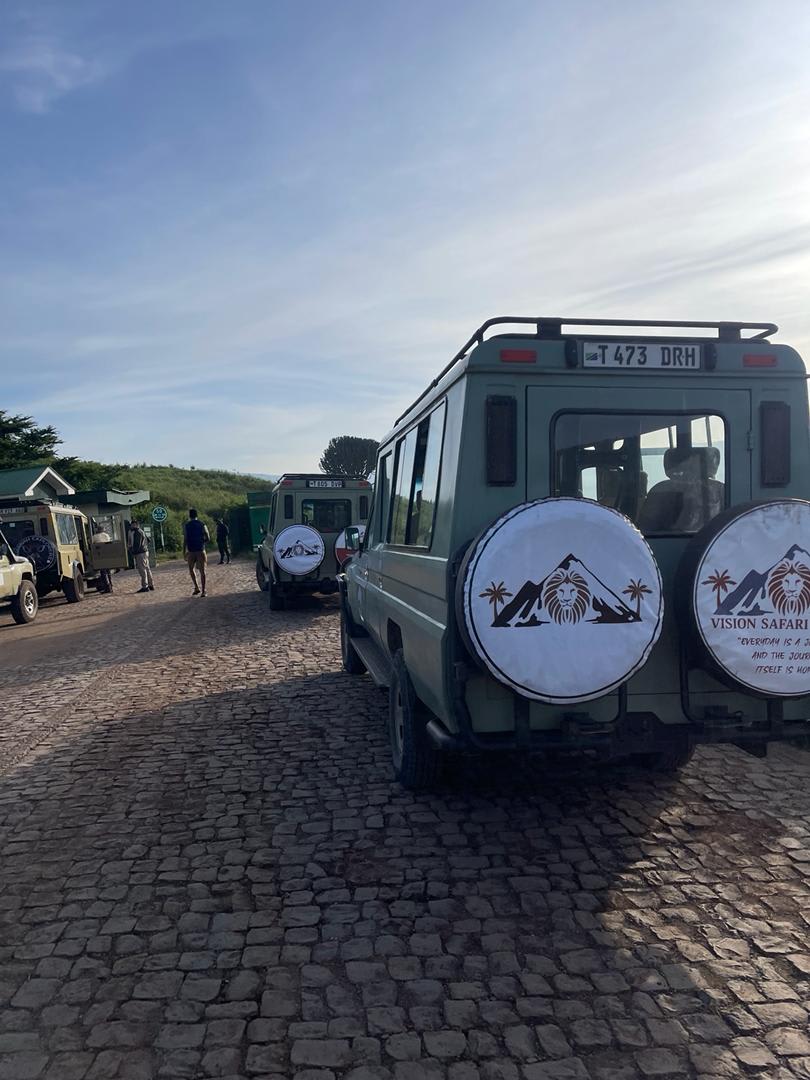
Modern safari vehicles are specifically designed for comfort and wildlife viewing. Typically, you'll travel in a private 4x4 Jeep with guaranteed window seats, allowing unobstructed views and photography opportunities from your preferred position. Vehicles feature pop-up roofs for optimal wildlife observation and photography without leaving the vehicle. Throughout game drives, complimentary drinking water, non-alcoholic beverages, beer, and wine are provided to keep you refreshed. In-vehicle WiFi access (subject to network availability in remote areas) allows you to stay connected if needed. The vehicles are equipped for rough terrain while maintaining reasonable comfort. Game drives are typically scheduled during cooler morning and evening hours, with rest periods during the hot midday heat. Professional guides manage driving pace and route selection to balance comfort with wildlife viewing opportunities.
 VISION SAFARI & TOURSARUSHA, Tanzania
© 2026 SafariFind. All rights reserved.