 1 / 6
1 / 6 6 daysprivate
6-Day Amboseli NP, Tsavo East NP & Diani Budget Safari
byHideaway safaris & expeditions
Highlights
- A perfect blend of coastal safari, wilderness and beach
Loading SafariFind...
1 / 6byHideaway safaris & expeditions
Nairobi-Amboseli National Park.
Amboseli National Park.
Meals: Lunch, Dinner
Amboseli National Park
Amboseli National Park.
Meals: Breakfast, Lunch, Dinner
Amboseli National Park - Tsavo east National Park
Tsavo East National Park
Meals: Breakfast, Lunch, Dinner
Tsavo East National Pack - Diani
Leopard Beach and Spa Resort
Meals: Breakfast, Lunch, Dinner
Diani Relaxation
Leopard Beach and Spa Resort
Meals: Breakfast, Lunch, Dinner
Diani - Nairobi
Nairobi
Meals: Breakfast
Year Round
Year-round
| Season | Solo traveler | 2 people | 3 – 4 people | 5 – 6 people | 7+ people | Child rate | Single suppl. |
|---|---|---|---|---|---|---|---|
Year Round Year-round | $3,470 | $2,320 | $2,080 | $1,970 | $1,850 | $1,620 | $700 |
Child rate applies to travelers under 12 years. Single supplement applies to solo travelers taking their own room.
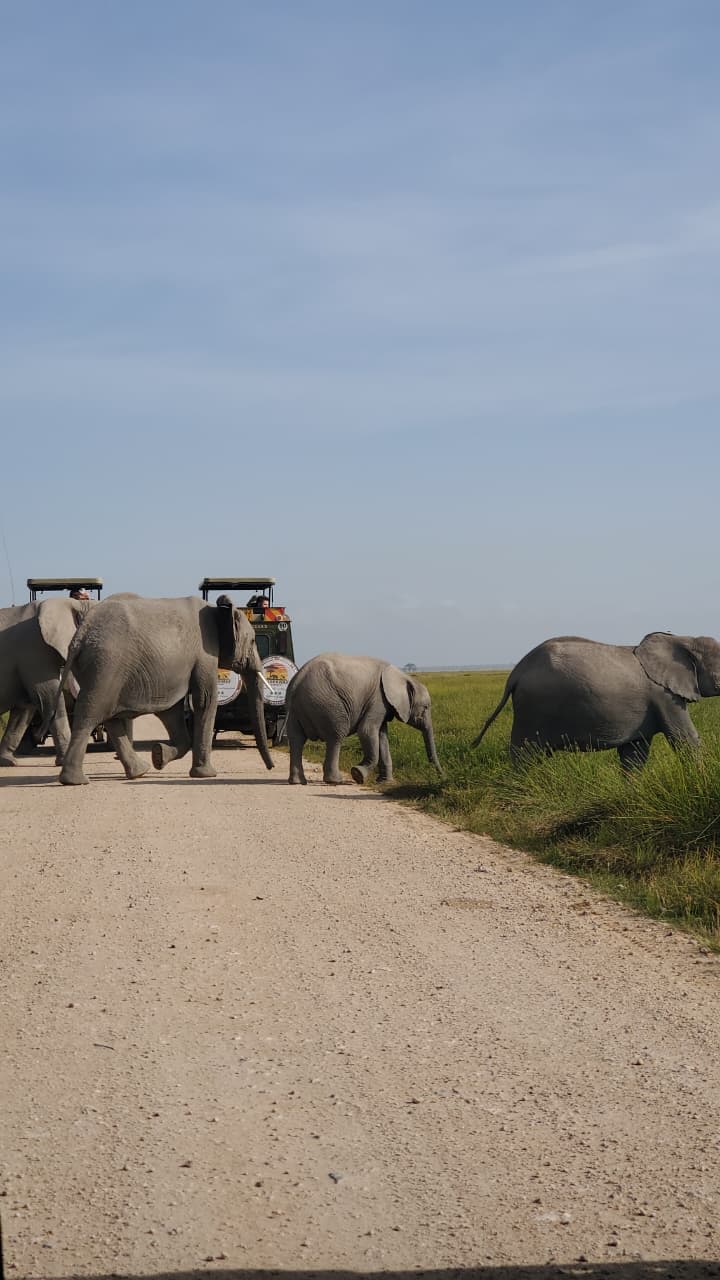
Amboseli National Park is renowned for its exceptional elephant populations, offering some of the best opportunities to observe these magnificent creatures in their natural habitat. The park is also home to lions, leopards, buffalo, giraffes, zebras, wildebeest, and numerous bird species. The landscape, dominated by the snow-capped Mount Kilimanjaro in the background, creates an iconic safari setting. Game drives in Amboseli typically yield sightings of multiple species in a single outing, making it one of Kenya's most rewarding wildlife destinations.
Yes, Tsavo East is excellent for safari photography. The park's diverse landscape features red volcanic soil, dense vegetation, and open plains that create dramatic backdrops for wildlife photography. You'll encounter large herds of elephants, lions, leopards, and numerous ungulates. The varying terrain and lighting conditions throughout the day provide photographers with multiple opportunities to capture stunning images. The park is less crowded than some other Kenyan reserves, allowing for more intimate wildlife encounters and better chances for unique photographic moments.
For a Kenya safari, pack neutral-colored clothing (khaki, tan, olive green) for game drives, as bright colors can startle wildlife. Bring lightweight, breathable fabrics for hot days and a warm layer for early morning and evening game drives when temperatures drop. Essential items include a wide-brimmed hat, high-SPF sunscreen, sunglasses, and insect repellent. Bring binoculars and a camera with extra batteries and memory cards. Comfortable walking shoes and sandals are important for lodge activities. Don't forget personal medications, toiletries, and any required travel documents. Pack a light rain jacket for unexpected showers, and consider bringing a small daypack for game drives.
The ideal duration depends on your interests and schedule. A 2-3 day stay in each major park allows you to experience multiple game drives at different times of day, increasing wildlife viewing opportunities and providing a more comprehensive understanding of the ecosystem. This timeframe gives you flexibility to explore different areas within the park and adjust your itinerary based on animal sightings and weather. A 6-day safari that includes time in multiple parks like Amboseli and Tsavo East allows you to experience distinct landscapes and wildlife concentrations while also incorporating beach relaxation, creating a well-rounded Kenyan experience.
The best time to visit these parks is during the dry seasons: June to October (long dry season) and January to February (short dry season). During dry periods, vegetation is sparse, making wildlife easier to spot as animals congregate around water sources. The weather is generally pleasant with cooler temperatures and minimal rainfall. The rainy seasons (March to May and November to December) are less ideal for game drives as vegetation becomes dense and roads can be challenging, though wildlife is still present and the landscape is lush. If you prefer fewer tourists and don't mind occasional rain, shoulder seasons can offer good value and rewarding experiences.
Visa requirements for Kenya depend on your nationality. Many countries' citizens can obtain a visa on arrival or apply for an e-visa online before traveling, which is the most convenient option. Some nationalities qualify for visa-free entry for short periods. It's essential to check the current visa requirements with the Kenyan immigration authority or your nearest Kenyan embassy well before your travel dates, as regulations can change. Ensure your passport is valid for at least six months beyond your intended stay. Processing times for visas vary, so plan accordingly and apply early to avoid any travel delays.
While specific vaccination requirements vary by individual health status and origin country, yellow fever vaccination is often recommended or required for entry into Kenya, particularly if you're arriving from endemic countries. Malaria prophylaxis is strongly recommended for most safari destinations, especially lower-altitude areas like Tsavo East. Consult your healthcare provider or a travel clinic at least 4-6 weeks before your trip to receive personalized advice based on your medical history and the specific regions you'll visit. They may recommend vaccinations for diseases like typhoid, hepatitis A and B, and tetanus. Additionally, ensure routine vaccinations are up to date. Always carry proof of any required vaccinations.
A comprehensive all-inclusive safari package typically covers accommodation at selected lodges or camps, all meals (breakfast, lunch, and dinner), park entrance fees, professional guided game drives in a private vehicle, and airport transfers. Most packages include bottled water during game drives and the services of an experienced English-speaking guide. Government taxes and VAT are usually incorporated into the quoted price. However, packages typically exclude international flights, travel insurance, visa fees, alcoholic beverages, tips and gratuities for guides and staff, personal expenses, and optional activities. It's important to review the specific inclusions and exclusions of your chosen package to understand what's covered and budget accordingly for extras.
Many Kenya safaris combine inland wildlife experiences with coastal beach time, allowing travelers to experience diverse landscapes and activities in one trip. After spending several days on game drives in national parks like Amboseli and Tsavo East, you'll travel to coastal destinations like Diani Beach, known for its pristine white-sand shores, turquoise waters, and water sports opportunities. This combination offers the best of both worlds: thrilling wildlife encounters and serene beach relaxation. The transition typically involves a scenic drive or short flight from the parks to the coast, where you can unwind, swim, snorkel, or simply relax after the excitement of safari activities. This balanced itinerary appeals to travelers seeking adventure and relaxation.
Diani Beach, located on Kenya's south coast, is renowned for its stunning white-sand beaches, crystal-clear turquoise waters, and laid-back tropical atmosphere. It's an ideal destination for relaxation after safari adventures. Activities at Diani include swimming, snorkeling, scuba diving, and kitesurfing in the warm Indian Ocean. The area offers excellent coral reefs just offshore, making it popular for underwater exploration. Beyond water activities, you can enjoy beachside dining, spa treatments, sunset walks, and visits to local markets and cultural sites. The beach is well-developed with numerous resorts and restaurants catering to various budgets. Its proximity to diverse ecosystems—from safari parks to marine reserves—makes Diani a perfect complement to an inland wildlife safari experience.
 Hideaway safaris & expeditions Nairobi, Kenya
© 2026 SafariFind. All rights reserved.