 1 / 4
1 / 4 6 daysprivate
6-Day Calving Season Safari
Highlights
- Witness the Great Migration Calving Season
Loading SafariFind...
1 / 4Arrival in Arusha
Serengeti National Park
Meals: Dinner
Arusha to Ndutu Area
Serengeti National Park
Meals: Breakfast, Lunch, Dinner
Full Day Game Drive in Ndutu
Serengeti National Park
Meals: Breakfast, Lunch, Dinner
Full Day Calving Season Safari
Serengeti National Park
Meals: Breakfast, Lunch, Dinner
Ndutu to Ngorongoro Conservation Area
Ngorongoro Crater
Meals: Breakfast, Lunch, Dinner
Ngorongoro Crater & Return to Arusha
Arusha
Meals: Breakfast
Year Round
Year-round
| Season | 2 people |
|---|---|
Year Round Year-round | $2,750 |
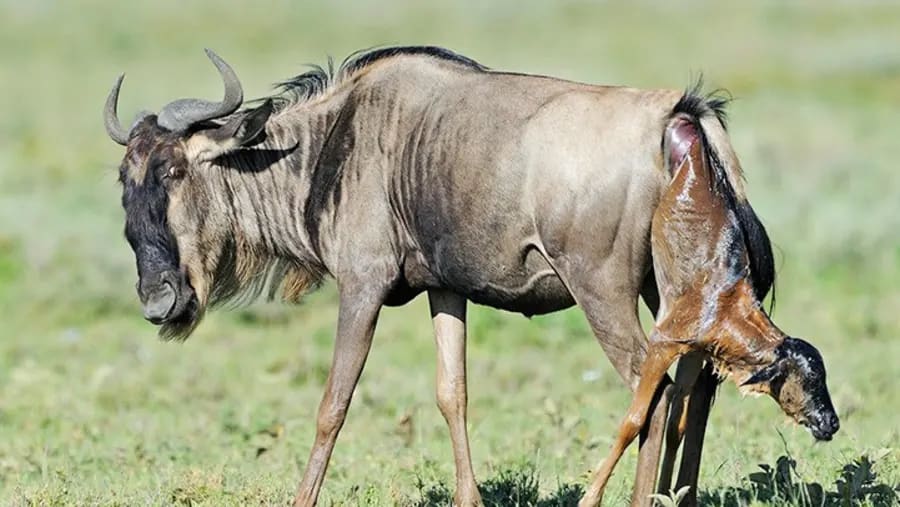
The best time to witness newborn wildebeest in Serengeti is during the calving season, which runs from December to March. During this period, over 500,000 wildebeest calves are born on the fertile plains of Southern Serengeti and the Ndutu region. This synchronized birthing creates an extraordinary spectacle as mothers give birth within a concentrated timeframe, making it one of the most remarkable phases of the Great Migration. The abundance of vulnerable newborns also attracts large concentrations of predators, offering exceptional wildlife viewing opportunities for lions, cheetahs, leopards, hyenas, and jackals.
During the calving season in Serengeti, you can expect to see several major predator species drawn to the region by the abundance of newborn wildebeest. Lions are among the most frequently spotted, along with cheetahs, leopards, hyenas, and jackals. The concentration of vulnerable calves creates ideal hunting conditions, so predator activity is particularly intense during this period. The combination of large herbivore herds and active predators makes the calving season one of the most dynamic times for wildlife viewing in Africa. Your chances of witnessing predator-prey interactions are significantly higher during these months compared to other times of the year.
A 6-day safari is an ideal duration for experiencing Serengeti National Park comprehensively, especially during the calving season. This timeframe allows you to spend multiple days exploring different regions of the park, increasing your chances of witnessing diverse wildlife interactions and predator activity. Six days also provides flexibility to visit complementary destinations like the Ngorongoro Crater, one of Africa's most wildlife-rich areas, while still dedicating substantial time to Serengeti itself. Shorter safaris of 3-4 days can work, but 6 days or more significantly enhances your experience and wildlife viewing opportunities.
Yes, Ngorongoro Crater is absolutely worth including in a Serengeti safari itinerary. Often called the 'Eighth Wonder of the World,' it is one of Africa's most wildlife-rich destinations and offers a dramatically different landscape from Serengeti's plains. The crater is a UNESCO World Heritage Site featuring a self-contained ecosystem with approximately 25,000 large animals, including lions, elephants, buffalo, zebras, and numerous bird species. The crater's unique geography—a massive volcanic caldera—concentrates wildlife in a relatively compact area, providing exceptional viewing opportunities. A 6-day safari that combines both Serengeti and Ngorongoro Crater offers diverse wildlife experiences and showcases the remarkable biodiversity of northern Tanzania.
For a Serengeti safari during the December to March calving season, pack lightweight, breathable clothing in neutral colors (khaki, tan, green, brown) to avoid startling wildlife. Bring layers as mornings and evenings can be cool despite daytime warmth. Essential items include a wide-brimmed hat, high-SPF sunscreen, sunglasses, and insect repellent. Pack long pants and long-sleeved shirts for sun protection and to minimize insect bites. Comfortable walking shoes and closed-toe hiking boots are important for game drives and any walking activities. Include a camera with a good zoom lens, binoculars, and a power bank for charging devices. Bring medications for common travel ailments, and consider a light rain jacket as the region experiences some rainfall during these months. Finally, pack any personal toiletries, as supplies may be limited in remote safari areas.
Travel insurance is highly recommended for any Serengeti safari, though it is typically not included in standard safari packages. Comprehensive travel insurance should cover medical emergencies, evacuation, trip cancellations, lost luggage, and flight delays. Safari destinations, while generally safe, are remote, and medical facilities may be limited, making evacuation insurance particularly important. Insurance also protects your financial investment in case you need to cancel or postpone your trip due to illness, injury, or unforeseen circumstances. Before purchasing, ensure your policy covers safari activities, high-altitude destinations (if visiting Ngorongoro Crater), and international travel. Check the specific terms and exclusions, and purchase insurance shortly after booking your safari to maximize coverage eligibility.
A comprehensive Serengeti safari package typically includes park entrance fees, professional safari guide services, private 4x4 safari vehicle with pop-up roof for optimal wildlife viewing, all accommodation during the safari, all meals as indicated in the itinerary, bottled drinking water during game drives, and airport transfers. Additional inclusions often cover crater service fees if visiting Ngorongoro, as well as government taxes and levies. However, most packages exclude international flights, visa fees, travel insurance, personal expenses, and alcoholic or soft drinks. Optional activities and tips for guides and lodge staff are also typically not included. It's important to clarify with your tour operator exactly what is covered to avoid unexpected costs and budget accordingly for excluded items.
The Great Migration calving season (December to March) is distinctly different from other migration phases. During this period, the wildebeest herds concentrate on the nutrient-rich plains of Southern Serengeti and Ndutu region to give birth, rather than migrating across vast distances. Over 500,000 calves are born within a compressed timeframe, creating an unprecedented concentration of vulnerable young animals. This attracts massive predator populations, resulting in intense and frequent predator-prey interactions—a phenomenon less common during other seasons. The landscape is also lush and green due to recent rains, providing excellent visibility for game viewing. In contrast, the dry season (June-October) features the dramatic river crossings of the northern migration, while other periods show more dispersed wildlife. The calving season offers unique opportunities to witness predator activity and newborn wildlife behavior that cannot be replicated at other times.
The pop-up roof on a safari vehicle is a crucial feature for wildlife photography and observation. It allows passengers to stand up safely through the opening while the vehicle remains stationary, providing an elevated vantage point for spotting distant wildlife, taking photographs, and using binoculars without obstructed views. The pop-up design maintains the vehicle's structural integrity and safety while offering unobstructed 360-degree visibility of the surrounding landscape. This feature is particularly valuable during game drives in open plains like Serengeti, where wildlife can be spotted at considerable distances. The elevated perspective also helps guides locate animals more effectively and allows photographers to capture better angles and compositions. Modern safari vehicles with pop-up roofs are designed with safety railings and are operated by experienced drivers trained in safe practices during wildlife viewing.
Most visitors reach Serengeti National Park by flying into Tanzania, typically through Julius Nyerere International Airport in Dar es Salaam or Kilimanjaro International Airport near Arusha. From these major airports, you can take a domestic flight to one of the airstrips serving Serengeti (such as Seronera Airstrip). Alternatively, some visitors fly to Arusha and then drive to Serengeti, a journey of approximately 5-6 hours. Most safari packages include airport transfers from your arrival airport to your accommodation, simplifying logistics. The drive from Arusha to Serengeti passes through Ngorongoro Conservation Area, allowing for stops at viewpoints. International flights to Tanzania are available from major hubs worldwide. Ensure your passport is valid for at least six months beyond your travel dates, and check visa requirements for Tanzania well in advance of your trip.
 Elia SafarisArusha, Tanzania5.0(8 reviews)
© 2026 SafariFind. All rights reserved.