 1 / 41 / 4
Loading SafariFind...
1 / 4Arusha → Tarangire National Park
Tarangire National Park
Meals: Dinner
Lake Manyara National Park
Lake Manyara National Park
Meals: Breakfast, Lunch, Dinner
Karatu → Serengeti National Park
Serengeti National Park
Meals: Breakfast, Lunch, Dinner
Full Day Serengeti Safari
Serengeti National Park
Meals: Breakfast, Lunch, Dinner
Serengeti → Ngorongoro Conservation Area
Ngorongoro Crater
Meals: Breakfast, Lunch, Dinner
Ngorongoro Crater → Arusha
Arusha
Meals: Breakfast
Year Round
Year-round
| Season | 2 people |
|---|---|
Year Round Year-round | $2,750 |
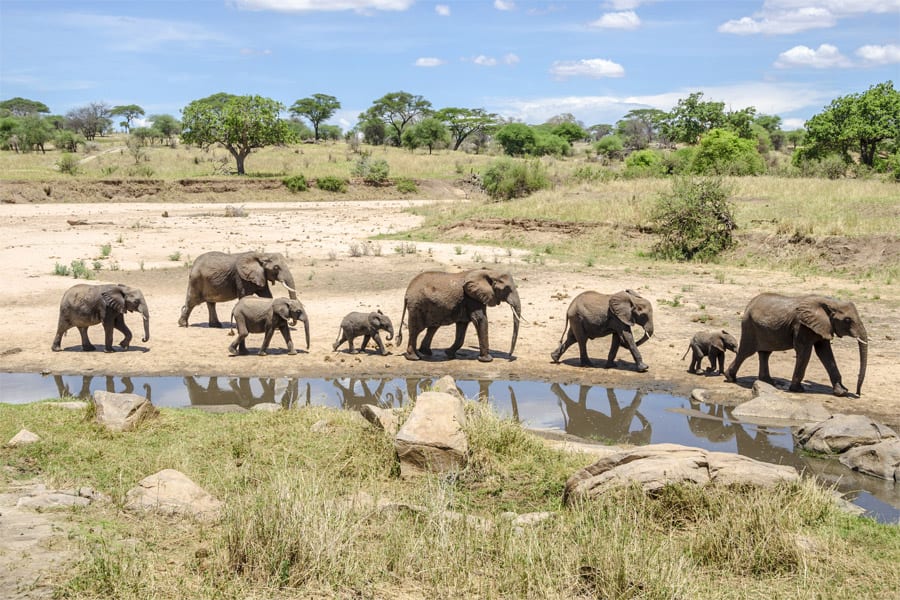
Tarangire National Park is one of Tanzania's premier wildlife viewing destinations, particularly famous for its large elephant herds that congregate around the Tarangire River. Beyond elephants, you can expect to see lions, giraffes, zebras, buffalo, warthogs, and numerous antelope species. The park is also a birdwatcher's paradise with over 500 bird species recorded. The ancient baobab trees scattered throughout the landscape create a picturesque backdrop for wildlife viewing. Tarangire is known for being less crowded than some other parks, making it an excellent starting point for a safari experience, especially for families seeking a more relaxed introduction to Tanzania's wildlife.
The Great Migration timing varies depending on rainfall patterns, but generally occurs between July and October when massive herds of wildebeest and zebras move from the southern Serengeti to the northern regions in search of fresh grazing. This is considered one of the world's most spectacular wildlife events. However, the Serengeti offers excellent wildlife viewing year-round. During the dry season (June to October), animals congregate around water sources, making them easier to spot. The wet season (November to May) brings lush vegetation and is ideal for birdwatching and seeing newborn animals. Your specific travel dates will influence the likelihood of witnessing the migration, so it's worth planning accordingly.
The Ngorongoro Crater is a UNESCO World Heritage Site and one of Africa's most unique natural wonders. It's a massive volcanic caldera that collapsed inward millions of years ago, creating a self-contained ecosystem approximately 20 kilometers in diameter. What makes it exceptional for safari is the extraordinary concentration of wildlife within this contained area—you have a realistic chance of spotting the Big Five (lion, elephant, buffalo, leopard, and rhino) often in a single day of game driving. The crater floor supports around 25,000 large animals year-round, and the dramatic landscape with its steep walls and diverse habitats—from forests to grasslands to alkaline lakes—creates an unforgettable safari experience. The black rhino, one of Africa's rarest animals, is occasionally spotted here.
Yes, a Tanzania safari is absolutely suitable for families with children, and a 6-day itinerary offers an ideal balance of adventure and comfort. Family safaris typically feature comfortable lodge or tented camp accommodations with good amenities, private 4x4 vehicles that provide a safe and controlled viewing environment, and professional guides who can tailor the experience to different age groups. The varied landscapes and diverse wildlife across multiple parks—Tarangire, Lake Manyara, Serengeti, and Ngorongoro—keep children engaged with different experiences each day. The pace is designed to be manageable, with breaks for meals and rest. Children generally find the experience thrilling, and the combination of wildlife viewing, scenic beauty, and comfortable facilities makes it memorable for all ages. It's recommended to discuss your children's ages with your safari operator to ensure the itinerary suits their needs.
Lake Manyara National Park is known for its diverse and abundant wildlife despite being one of Tanzania's smaller parks. The lake itself attracts thousands of flamingos and other waterbirds, creating stunning pink-hued shorelines, especially during certain seasons. On land, you'll find lions (the park is famous for its tree-climbing lions), elephants, giraffes, zebras, wildebeest, buffalo, hippos, and various antelope species. The park's varied habitats—from lush groundwater forests to acacia woodlands to the alkaline lake—support different animal communities. Birdwatchers particularly appreciate the park's over 400 bird species. The combination of water-based and terrestrial wildlife, along with the dramatic Great Rift Valley escarpment backdrop, makes Lake Manyara a scenic and wildlife-rich destination that complements the broader Tanzania safari experience.
A 6-day safari is an excellent duration for experiencing Tanzania's major wildlife destinations comprehensively. This timeframe allows you to visit multiple parks—typically Tarangire, Lake Manyara, Serengeti, and Ngorongoro Crater—each offering distinct ecosystems and wildlife viewing opportunities. The 6-day structure includes travel days between parks, time for multiple game drives in each location, and adequate rest and meal breaks, creating a comfortable pace rather than a rushed experience. Shorter safaris (3-4 days) are possible but limit you to fewer parks and less flexibility for wildlife viewing. Longer safaris (7-10+ days) allow for deeper exploration, more game drives, and better chances of witnessing specific wildlife behavior or seasonal events like the Great Migration. For families and those seeking a balanced experience that covers the highlights without excessive travel fatigue, 6 days is considered ideal.
Packing appropriately is essential for a comfortable and safe safari experience. Clothing should include neutral, earth-toned colors (avoid bright colors that can startle wildlife) such as khaki, tan, olive, and brown. Bring lightweight, breathable fabrics for daytime game drives and warmer layers for early morning and evening drives when temperatures drop. Essential items include a wide-brimmed hat, sunglasses, and high-SPF sunscreen for protection against intense equatorial sun. Comfortable walking shoes and closed-toe hiking boots are important for lodge walks and activities. Binoculars are invaluable for wildlife viewing. A camera with a good zoom lens will help capture memories. Don't forget personal medications, insect repellent (particularly for mosquito protection), and toiletries. A light rain jacket is useful during the rainy seasons. Bring minimal jewelry and avoid excessive perfume or cologne. Check with your safari operator about specific recommendations, and remember that luggage space is often limited, so pack efficiently. Many lodges provide laundry services, so you don't need excessive clothing.
While specific health requirements depend on your home country and individual health status, certain vaccinations and precautions are generally recommended for Tanzania. Yellow fever vaccination is often recommended, and some countries require proof of vaccination for entry. Malaria is present in many safari regions, so antimalarial medication is typically advised—consult your doctor about options like mefloquine, doxycycline, or atovaquone-proguanil. Typhoid, hepatitis A and B, and routine vaccinations are commonly recommended. It's essential to visit a travel health clinic 4-6 weeks before your trip to receive personalized medical advice based on your health history and the specific regions you'll visit. Additionally, practice mosquito prevention by using insect repellent, wearing long sleeves and pants during dawn and dusk when mosquitoes are most active, and using bed nets if provided. Drink bottled or purified water, practice good food hygiene, and carry a basic first-aid kit. Travel insurance that covers medical evacuation is strongly recommended.
A comprehensive Tanzania safari package typically includes several key components that ensure a worry-free experience. Park entrance fees to all visited destinations are usually covered, eliminating concerns about individual park costs. Accommodation is provided throughout, ranging from comfortable lodges to tented camps depending on the package level. All meals—breakfast, lunch, and dinner—are included daily, with cuisine designed to cater to varied dietary preferences. Transportation is provided via private 4x4 safari vehicles, essential for comfortable game viewing and wildlife safety. Professional English-speaking guides lead all game drives and excursions, providing wildlife knowledge and safety expertise. Bottled water during game drives keeps you hydrated during long viewing sessions. Airport transfers in the gateway city (typically Arusha) are included for convenience. Government taxes and VAT are usually built into the quoted price. Items typically not included are international airfare, travel insurance, visa fees, alcoholic beverages, tips and gratuities for guides and staff, personal expenses, optional activities, and travel vaccinations. Understanding what's included helps you budget accurately and prepare for your safari adventure.
Tanzania is generally considered a safe destination for safari tourism, with a well-established safari industry and experienced operators who prioritize visitor safety. Safari vehicles are specifically designed for wildlife viewing with safety features and professional guides trained in wildlife behavior and emergency protocols. The parks themselves are managed by Tanzania National Parks Authority with rangers and security personnel. That said, standard travel safety precautions apply: avoid displaying valuable items, be cautious in urban areas like Arusha before and after your safari, and follow your guide's instructions regarding wildlife interactions and park rules. Political stability in Tanzania is relatively good compared to some African nations, though it's always wise to check current travel advisories from your government before booking. Choose reputable safari operators with good safety records and proper licensing. Travel insurance is highly recommended to cover unexpected medical or evacuation needs. When you're in a vehicle with an experienced guide following established safari protocols, the risk is minimal, and millions of travelers safely enjoy Tanzania safaris annually. Most visitors report feeling secure and well-cared-for throughout their experience.
 Pumba ReisenArusha, Tanzania
© 2026 SafariFind. All rights reserved.