 1 / 9
1 / 9 6 daysprivate
6-Day Epic Safari in Northern Tanzania
byPANGOLIN TRAVELERS EXPEDITION
Highlights
- Visit Tarangire National Park, famous for large elephant herds and iconic baobab trees
Loading SafariFind...
1 / 9byPANGOLIN TRAVELERS EXPEDITION
Arrival – Arusha
Arusha
Meals: Dinner
Arusha – Tarangire National Park
Tarangire National Park
Meals: Breakfast, Lunch, Dinner
Karatu – Serengeti National Park
Serengeti National Park
Meals: Breakfast, Lunch, Dinner
Central Serengeti National Park
Karatu
Meals: Breakfast, Lunch, Dinner
Serengeti – Ngorongoro Conservation Area - Karatu
Ngorongoro Crater
Meals: Breakfast, Lunch, Dinner
Ngorongoro Crater – Return to Arusha
Arusha
Meals: Breakfast, Lunch
Year Round
Year-round
| Season | Solo traveler | 2 people | 3 – 4 people | 5 – 6 people | 7+ people | Child rate | Single suppl. |
|---|---|---|---|---|---|---|---|
Year Round Year-round | $3,940 | $2,390 | $2,150 | $1,980 | $1,930 | $2,390 | $930 |
Child rate applies to travelers under 12 years. Single supplement applies to solo travelers taking their own room.
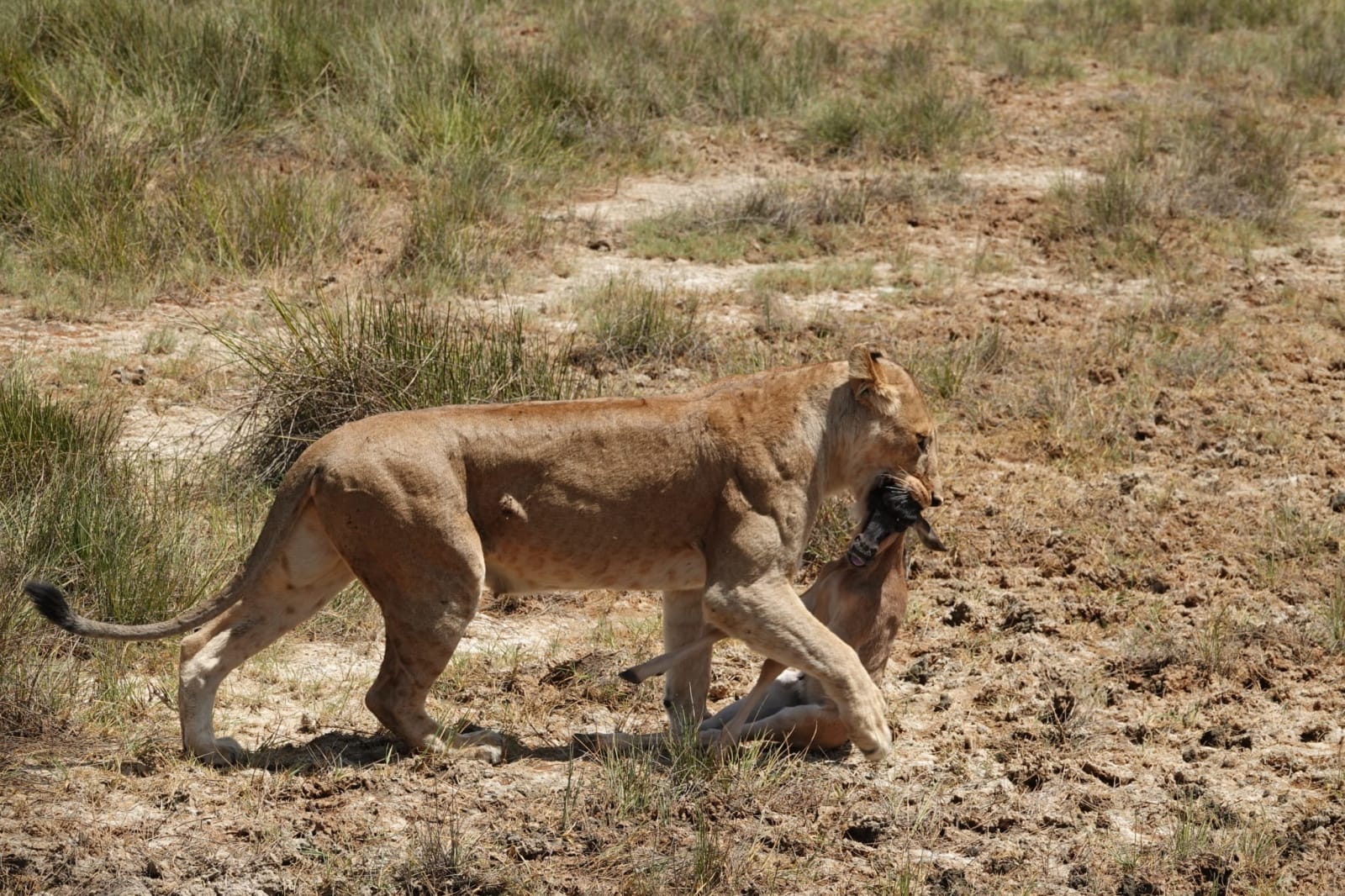
Northern Tanzania is home to an incredible variety of wildlife. Across Tarangire National Park, Serengeti National Park, Ngorongoro Crater, and Lake Manyara National Park, you can expect to see the Big Five (lion, leopard, elephant, buffalo, and rhinoceros), as well as zebras, wildebeest, giraffes, antelopes, hyenas, and numerous bird species. Tarangire is particularly famous for its large elephant populations, while the Serengeti offers some of Africa's best opportunities for witnessing predator-prey interactions and seasonal migrations. Lake Manyara is known for its tree-climbing lions and diverse birdlife.
Yes, 6 days is an excellent duration for a comprehensive Northern Tanzania safari experience. This timeframe allows you to visit multiple parks including Tarangire, Serengeti, Ngorongoro Crater, and Lake Manyara, with adequate time for game drives and wildlife viewing in each location. You'll have 2-3 days in the Serengeti, which is ideal for increasing your chances of witnessing diverse wildlife and natural behaviors. While longer safaris offer more flexibility, a 6-day itinerary provides a well-balanced introduction to Tanzania's most iconic ecosystems without feeling rushed.
The best time to visit depends on what you want to experience. The dry season (June to October) offers excellent wildlife viewing as animals congregate around water sources, making them easier to spot. This period also coincides with the Great Migration in the Serengeti, when massive herds of wildebeest and zebras move across the plains. The wet season (November to May) brings lush green landscapes, fewer tourists, and excellent birdwatching opportunities, though some roads may be challenging. January to February is warm and dry with good visibility. For the best overall experience combining wildlife abundance and accessibility, June to September is highly recommended.
Pack lightweight, neutral-colored clothing in earth tones (khaki, tan, green, brown) to blend in with the landscape and avoid disturbing wildlife. Bring long sleeves and pants for sun protection and insect prevention, especially during early morning and evening game drives. Essential items include a wide-brimmed hat, sunscreen with high SPF, sunglasses, and a good camera with a telephoto lens. Pack layers as temperatures can vary significantly between day and night, and higher elevations like Ngorongoro can be cool. Bring sturdy, closed-toe hiking boots for walking safaris and uneven terrain. Don't forget binoculars, a flashlight or headlamp, and any personal medications. Toiletries are generally available, but bring any specific items you prefer.
While travel insurance is not mandatory for entry into Tanzania, it is strongly recommended. Comprehensive travel insurance should cover trip cancellations, medical emergencies, evacuation, lost luggage, and travel delays. Given that safaris involve travel to remote areas where medical facilities may be limited, having emergency evacuation coverage is particularly important. Insurance can also protect your investment if you need to cancel or cut short your trip due to unforeseen circumstances. Check that your policy covers activities like game drives and any optional adventures you plan to undertake. Be sure to purchase insurance before your trip begins.
Visa requirements for Tanzania vary depending on your nationality. Most visitors require a visa, which can be obtained on arrival at Julius Nyerere International Airport in Dar es Salaam or at the Kilimanjaro International Airport near Arusha, or you can apply for an e-visa online before your trip. The standard tourist visa is valid for 90 days. Citizens of certain countries may be exempt from visa requirements—check the official Tanzanian immigration website or your embassy for specific requirements based on your passport. Processing an e-visa typically takes 1-3 business days. It's recommended to apply at least 2-3 weeks before your travel date to allow for any processing delays.
Vaccination requirements for Tanzania vary based on where you're traveling from and your medical history. Yellow fever vaccination is recommended, and proof of vaccination may be required if you're arriving from certain countries. Malaria prophylaxis is highly recommended, especially for the lower-altitude parks like Lake Manyara and Tarangire, as malaria-carrying mosquitoes are present. Standard vaccinations (MMR, tetanus, etc.) should be up to date. Consult with a travel medicine clinic 4-6 weeks before your trip for personalized recommendations based on your health status and itinerary. They can advise on malaria prevention medications, which are crucial for protecting your health during your safari.
The cost of a 6-day Northern Tanzania safari varies widely depending on accommodation quality, season, and operator. Budget safaris typically range from $1,500 to $2,500 per person, mid-range options from $2,500 to $4,500, and luxury safaris from $4,500 to $8,000 or more. These estimates generally include accommodation, meals, park fees, transportation, and a professional guide. Note that international airfare, visa fees, travel insurance, tips, alcoholic beverages, and optional activities are typically not included. Traveling during the shoulder seasons (April-May or November-December) may offer better rates than peak season (June-October). It's worth comparing different operators and reading reviews to find the best value for your budget.
Yes, the Great Migration can be viewed on a Northern Tanzania safari, particularly during the dry season months of June through October. The migration is a natural phenomenon where approximately 1.5 million wildebeest, zebras, and gazelles move across the Serengeti and Masai Mara in search of fresh grazing lands. The exact timing and location vary each year based on rainfall patterns. During a 6-day safari with multiple days in the Serengeti, you have a good chance of witnessing this spectacular event, though sightings are never guaranteed as the herds follow natural patterns. Your professional guide will use their expertise and current wildlife reports to position you for the best viewing opportunities.
The Serengeti and Ngorongoro Crater are two distinct ecosystems, each offering unique safari experiences. The Serengeti is a vast open plain covering approximately 14,750 square kilometers, known for its endless landscapes, large concentrations of predators and prey, and the annual Great Migration. It offers expansive views and the sense of witnessing wildlife in their natural, undisturbed habitat. Ngorongoro Crater, a UNESCO World Heritage Site, is a geological wonder—a massive volcanic caldera containing a self-contained ecosystem. The crater floor provides concentrated wildlife viewing with dramatic scenery, making it ideal for spotting animals in a compact area. The Serengeti excels for migration viewing and vast landscape photography, while Ngorongoro is perfect for seeing diverse wildlife species in one location and experiencing unique geological formations. Both are essential components of a comprehensive Northern Tanzania safari.
 PANGOLIN TRAVELERS EXPEDITIONArusha, Tanzania
© 2026 SafariFind. All rights reserved.