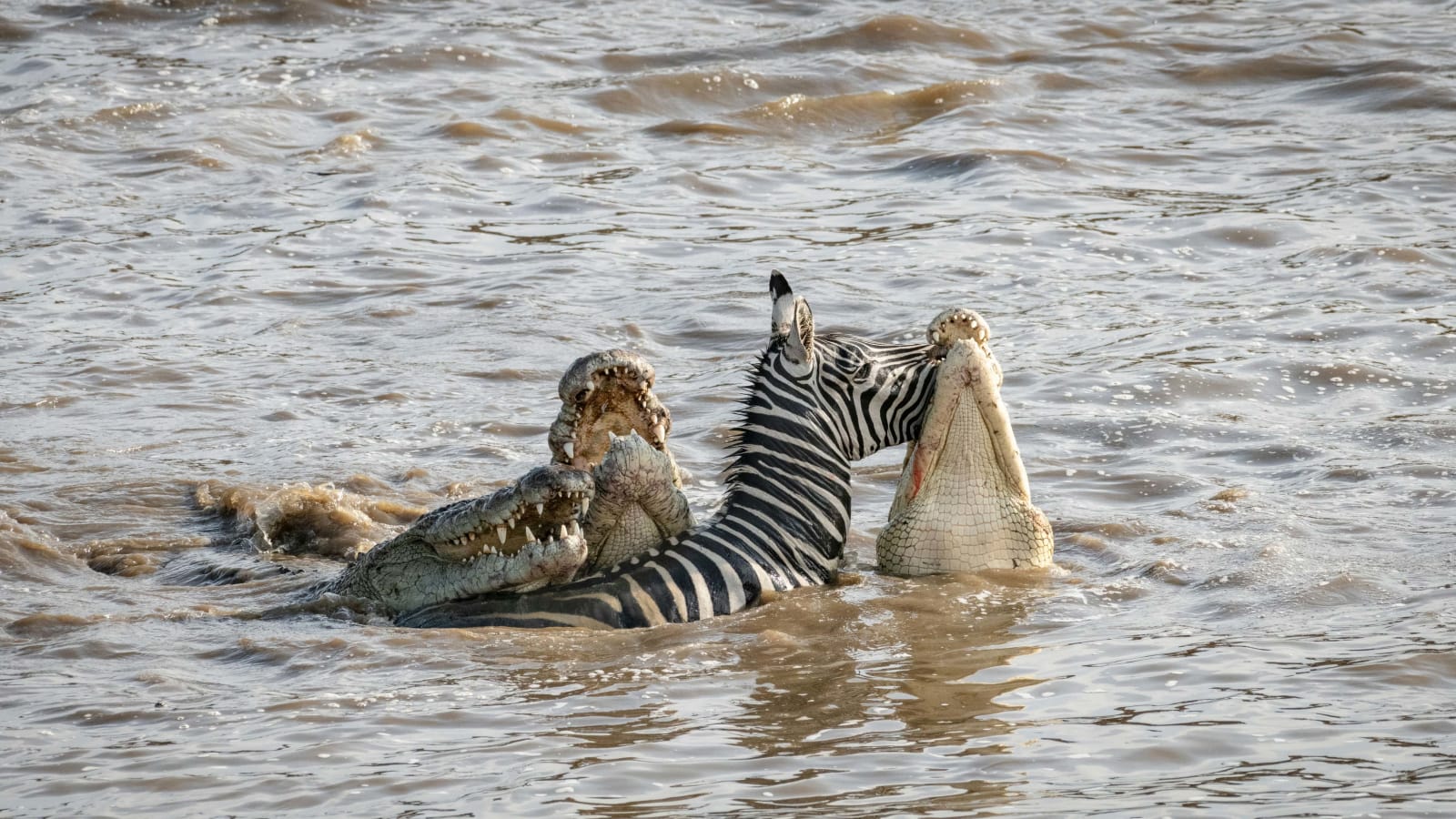
 1 / 41 / 4
Loading SafariFind...
1 / 4Transfer to Tarangire National Park
Tarangire National Park
Meals: Lunch, Dinner
Transfer to Central Serengeti National Park
Serengeti National Park
Meals: Breakfast, Lunch, Dinner
Serengeti National Park
Serengeti National Park
Meals: Breakfast, Lunch, Dinner
Transfer to Ngorongoro crater
Ngorongoro Crater
Meals: Breakfast, Lunch, Dinner
Transfer to Manyara National Park
Lake Manyara National Park
Meals: Breakfast, Lunch, Dinner
Transfer to foothills
Kilimanjaro National Park
Meals: Breakfast, Lunch
Year Round
Year-round
| Season | Solo traveler | 2 people | 3 – 4 people | 5 – 6 people | 7+ people | Child rate | Single suppl. |
|---|---|---|---|---|---|---|---|
Year Round Year-round | $2,060 | $1,380 | $1,240 | $1,170 | $1,100 | $960 | $410 |
Child rate applies to travelers under 11 years. Single supplement applies to solo travelers taking their own room.
Tanzania's safari parks are home to an incredible diversity of wildlife. You can encounter the Big Five—lions, elephants, buffalo, leopards, and rhinos—along with countless other species including giraffes, zebras, wildebeest, hyenas, and over 500 bird species. Different parks offer unique wildlife experiences: Tarangire National Park is famous for its large elephant herds and ancient baobab forests, the Serengeti hosts massive wildebeest migrations and predator-prey interactions, the Ngorongoro Crater concentrates wildlife in a stunning natural amphitheater, and Lake Manyara offers tree-climbing lions and diverse birdlife. Each ecosystem supports different animal behaviors and seasonal patterns, ensuring varied wildlife viewing throughout your journey.
Yes, six days is an excellent duration for a comprehensive Tanzania safari experience. This timeframe allows you to visit multiple iconic parks—including Tarangire, Serengeti, Ngorongoro Crater, and Lake Manyara—without rushing through each destination. Rather than spending just a few hours in each park, six days allows for meaningful time in each location, increasing your chances of witnessing diverse wildlife behaviors and encountering the Big Five. The itinerary balances efficiency with immersion, giving you the full Tanzania experience while remaining practical for most travelers' schedules and budgets.
The best times for wildlife viewing in Tanzania are during the dry seasons: June through October and January through February. During these periods, vegetation is sparse, animals congregate around water sources, and visibility is excellent for game viewing. The June-October season is particularly popular as it coincides with the Great Migration in the Serengeti, when massive herds of wildebeest and zebras move across the plains. However, Tanzania offers excellent wildlife viewing year-round. The green season (November-May) brings lush landscapes, bird watching opportunities, and fewer tourists, though some roads may be more challenging. Your choice depends on your wildlife priorities and travel preferences.
Pack neutral-colored, lightweight clothing suitable for warm days and cool mornings and evenings. Essentials include long-sleeved shirts and pants (to protect from sun and insects), a warm layer or fleece for early morning game drives, comfortable walking shoes, and a wide-brimmed hat. Bring high-SPF sunscreen, insect repellent, and any personal medications. Binoculars are invaluable for wildlife spotting, and a camera with a good zoom lens will enhance your photography. Don't forget your passport, travel documents, and any required vaccinations documentation. Consider packing a small daypack for game drives and a toiletry bag with essentials, as some lodges may have limited amenities. Check with your operator for specific recommendations based on the season you're traveling.
A budget Tanzania safari typically ranges from $1,500 to $3,500 per person for a six-day trip, depending on accommodation quality, group size, and specific inclusions. Budget safaris keep costs down through mid-range accommodations, shared transportation, and efficient itineraries. Most budget packages include meals, park entrance fees, accommodation, professional guides, and game drives, which significantly reduces out-of-pocket expenses. However, budget safaris typically exclude international airfare, visa fees, travel vaccinations, tips and gratuities, and optional activities. When comparing prices, ensure you understand what's included versus excluded, as this affects the true cost of your safari. Booking during shoulder seasons or traveling in larger groups can sometimes offer better value.
Most international visitors require a visa to enter Tanzania. Visa requirements vary by nationality, so you should check with the Tanzanian embassy or consulate in your country well before your travel dates. Many nationalities can obtain a visa on arrival at Kilimanjaro or Dar es Salaam airports, though pre-arranging a visa online is often more convenient and sometimes cheaper. Your passport must be valid for at least six months beyond your travel dates. Additionally, Tanzania requires proof of yellow fever vaccination if you're arriving from certain countries. It's essential to verify current requirements with official sources, as regulations can change. Plan to obtain your visa at least 4-6 weeks before departure if applying in advance.
Consult with a travel health clinic or your doctor at least 4-6 weeks before your trip, as vaccination recommendations vary based on your medical history and the specific areas you'll visit. Yellow fever vaccination is often recommended and may be required depending on your departure country. Malaria prophylaxis is typically advised for Tanzania's safari regions, as malaria risk exists year-round, though it's higher in lower-altitude areas during rainy seasons. Other vaccinations commonly recommended include hepatitis A and B, typhoid, and tetanus. Your healthcare provider can assess your individual risk factors and create a personalized vaccination plan. Begin preparations early, as some vaccines require multiple doses spaced weeks apart, and antimalarial medications need to be started before arrival.
On a typical Tanzania safari day, you'll spend 4-6 hours on game drives, usually split between early morning and late afternoon sessions when wildlife is most active. Early morning game drives typically begin around 6-7 AM and last 3-4 hours, returning to your lodge by mid-morning. After breakfast and rest during the hottest midday hours, afternoon game drives usually start around 3-4 PM and continue until sunset, lasting 2-3 hours. This schedule balances wildlife viewing opportunities with comfort—avoiding the heat of midday while positioning you for the best wildlife activity at dawn and dusk. Your professional guide will adjust timing based on animal sightings and weather conditions. Rest time at your lodge allows you to recharge, enjoy meals, and process the incredible experiences of each day.
A typical budget Tanzania safari package includes all meals throughout your itinerary, all national park entrance fees, accommodation in mid-range lodges or camps as specified in the itinerary, bottled water during game drives, and a professional English-speaking guide. These inclusions cover the major costs of your safari experience. However, budget packages typically exclude international airfare, visa fees, travel vaccinations, tips and gratuities for guides and staff, and optional activities or excursions beyond the standard itinerary. Personal expenses such as souvenirs, additional drinks, laundry services, and travel insurance are also your responsibility. When booking, carefully review the detailed inclusions and exclusions for your specific package, as offerings can vary between operators. Understanding what's covered helps you budget accurately for your entire trip.
Yes, Tanzania's safari parks offer excellent opportunities to see the Big Five—lions, elephants, buffalo, leopards, and rhinos—though sightings are never guaranteed in nature. A six-day itinerary covering multiple parks significantly increases your chances of encountering all five species. Elephants are particularly abundant in Tarangire National Park, lions are commonly spotted in the Serengeti, buffalo are found throughout all parks, and the Ngorongoro Crater concentrates wildlife including rhinos. Leopards are more elusive and require patience and luck. Your professional guide's experience and knowledge of animal behavior patterns greatly enhance your likelihood of successful sightings. Early morning and late afternoon game drives during peak seasons offer the best opportunities. While wildlife viewing is never guaranteed, the combination of diverse ecosystems, experienced guides, and strategic timing makes a six-day Tanzania safari an excellent choice for Big Five viewing.
 VISION SAFARI & TOURSARUSHA, Tanzania
© 2026 SafariFind. All rights reserved.