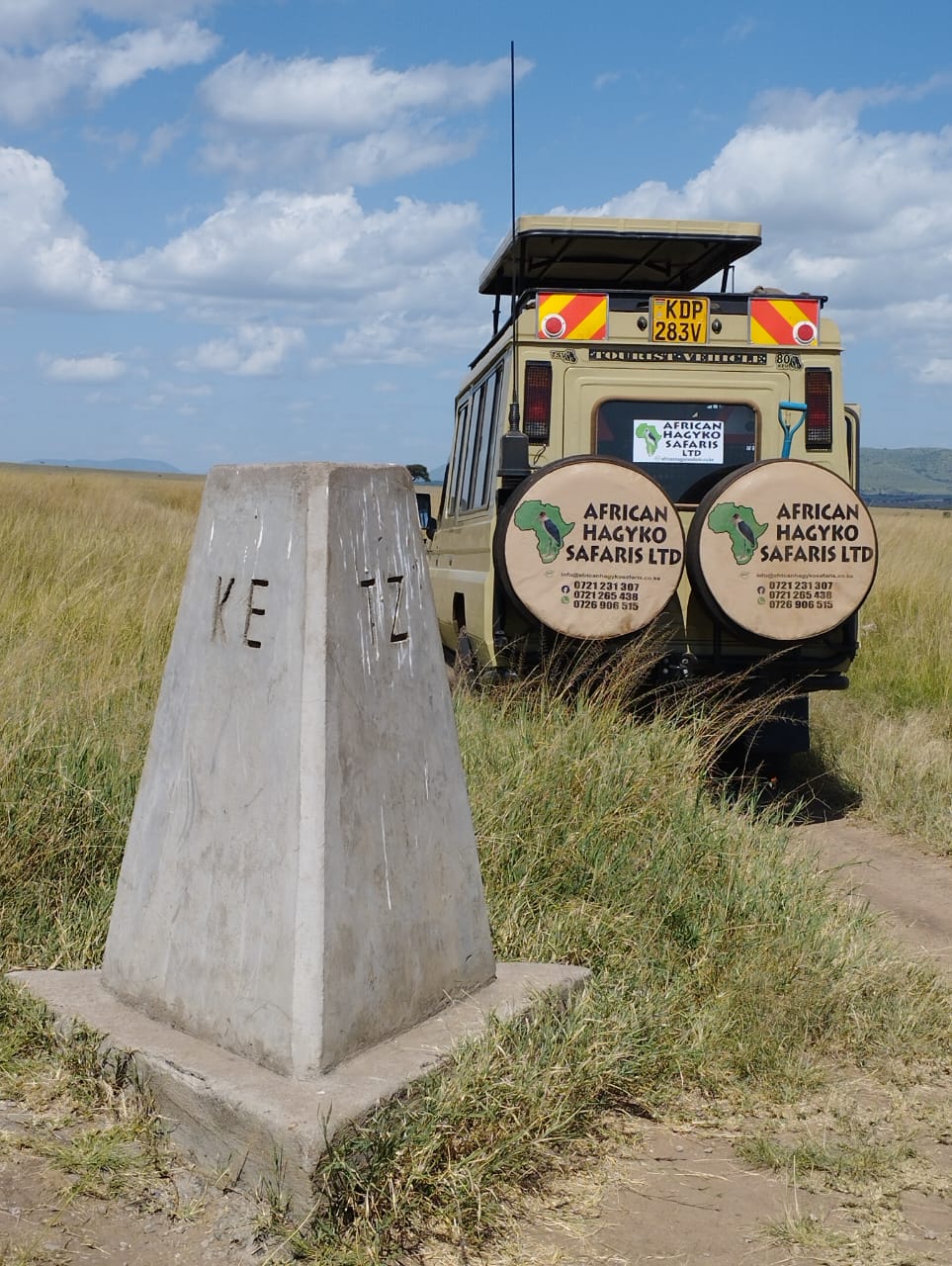
 1 / 5
1 / 5 6 daysprivate
6-Day Lake Nakuru, Masai mara and lake Naivasha.
Highlights
- big five animals
- game drives
Loading SafariFind...
1 / 5Nairobi to Lake nakuru national park
Lake Nakuru National Park
Meals: Lunch, Dinner
Lake Nakuru To Masai mara National Reserve
Masai Mara National Reserve
Meals: Breakfast, Lunch, Dinner
Masai mara full day Game drive
Masai Mara National Reserve
Meals: Breakfast, Lunch, Dinner
Masai mara Full day game drive
Masai Mara National Reserve
Meals: Breakfast, Lunch, Dinner
Masai mara to Lake Naivasha
Lake Naivasha
Meals: Breakfast, Lunch, Dinner
Lake Naivasha to Nairobi
Nairobi
Meals: Breakfast
Year Round
Year-round
| Season | Solo traveler | 2 people | 3 – 4 people | 5 – 6 people | 7+ people | Child rate | Single suppl. |
|---|---|---|---|---|---|---|---|
Year Round Year-round | $4,620 | $3,080 | $2,770 | $2,620 | $2,460 | $2,160 | $920 |
Child rate applies to travelers under 12 years. Single supplement applies to solo travelers taking their own room.
The Masai Mara is renowned for exceptional wildlife viewing opportunities, particularly for the Big Five: lions, elephants, buffalo, leopards, and rhinoceros. You'll also encounter zebras, giraffes, wildebeest, hyenas, cheetahs, and numerous antelope species. The reserve is also a birdwatcher's paradise with over 450 bird species. During the Great Migration (July to October), you can witness one of nature's most spectacular events as millions of wildebeest and zebras move across the plains. Your game drives with a professional guide will maximize your chances of encountering these incredible animals in their natural habitat.
Kenya offers excellent safari experiences year-round, but the best time depends on what you want to see. The dry seasons (January-February and July-October) provide the best wildlife viewing as animals congregate around water sources, making them easier to spot. July to October is particularly special as this is when the Great Migration occurs in the Masai Mara, with massive herds crossing from Tanzania. The wet seasons (March-May and November-December) offer lush landscapes, fewer tourists, and excellent bird watching. Consider your preferences for wildlife density versus scenic beauty and crowds when planning your visit.
The Great Migration is one of the world's most spectacular natural events, involving the movement of approximately 1.5 million wildebeest, zebras, and other herbivores across the Serengeti and Masai Mara ecosystems. This cyclical journey follows the rains and fresh grass. The migration typically reaches the Masai Mara between July and October, when massive herds cross the Mara River in dramatic fashion. Witnessing river crossings, where predators wait to hunt, is an unforgettable experience. If seeing the Great Migration is a priority, plan your safari for July through October for the best chances of witnessing this natural phenomenon.
Lake Nakuru is famous for its stunning birdlife, particularly large flocks of flamingos that once turned the lake pink, though populations have fluctuated in recent years. The lake is also an important rhino sanctuary, offering excellent opportunities to see both black and white rhinoceros in a relatively concentrated area. The lake is surrounded by acacia woodland and rocky cliffs, creating scenic landscapes for photography. You can enjoy game drives around the lake to spot various wildlife including giraffes, zebras, buffalo, and numerous bird species. The lake's serene setting makes it a peaceful contrast to the more action-packed Masai Mara experience.
Lake Naivasha offers a more relaxed safari experience compared to the intense game drives of the Masai Mara. The main activity is boat safaris, which allow you to get close to hippos in their natural habitat and observe the lake's impressive birdlife from the water. Crescent Island, located in the lake, offers walking safaris where you can encounter giraffes, zebras, and other wildlife on foot in a unique setting. The lake's surrounding areas are perfect for birdwatching, with numerous species including fish eagles, cormorants, and herons. The tranquil atmosphere makes Lake Naivasha ideal for relaxation and photography after the more intense safari activities.
Visa requirements for Kenya depend on your nationality and country of residence. Many nationalities can obtain a visa on arrival at Kenyan airports, while others require an e-visa obtained online before travel. Some countries have visa exemption agreements with Kenya. It's essential to check the official Kenya Immigration website or contact your nearest Kenyan embassy or consulate well in advance of your travel dates to determine your specific requirements. Processing times can vary, so apply early to avoid delays. Your travel agent or tour operator can also provide guidance on visa requirements based on your citizenship.
Pack neutral-colored, lightweight clothing in earth tones (khaki, tan, green, brown) to blend into the landscape and avoid disturbing wildlife. Bring long sleeves and pants for sun protection and insect prevention, especially during early morning and evening game drives. Essential items include a wide-brimmed hat, sunglasses, high-SPF sunscreen, and a good camera with zoom capability. Comfortable walking shoes are important for lodge activities and Crescent Island walks. Bring a light jacket or sweater for cool mornings and evenings, particularly at higher elevations. Don't forget binoculars for birdwatching, a small medical kit, and any personal medications. Pack layers as temperatures can vary throughout the day. Consider a waterproof bag for boat rides at Lake Naivasha.
Kenya safari costs vary significantly based on accommodation level, season, and inclusions. Budget safaris range from $1,500 to $3,000 for 6 days, mid-range safaris from $3,000 to $6,000, and luxury safaris from $6,000 and upward. Your package includes accommodation, meals, park fees, transportation, and a professional guide, which represents good value. Peak season (July-October) typically costs more than shoulder or low seasons. Keep in mind that international airfare, travel insurance, visas, and vaccinations are additional costs not included in the safari package price. Tips for guides and staff, alcoholic beverages, and optional activities will also add to your total budget.
A 6-day safari is an ideal length for experiencing Kenya's top destinations without excessive travel fatigue. This duration allows you to spend 2-3 days in the Masai Mara for multiple game drives and excellent wildlife viewing, plus time at Lake Nakuru for rhino and bird viewing, and Lake Naivasha for boat safaris and relaxation. Shorter safaris (3-4 days) are possible but allow less time for wildlife encounters and more time in transit. Longer safaris (7-10+ days) provide deeper exploration and more flexibility. A 6-day safari strikes an excellent balance between experiencing diverse landscapes and wildlife while remaining physically manageable and time-efficient for most travelers.
Kenya is generally a safe destination for safari tourism, with well-established safari operations and experienced guides who prioritize visitor safety. Game reserves are professionally managed with trained rangers and security measures. However, like any travel destination, it's important to take standard precautions: avoid displaying valuable items, stay aware of your surroundings, and follow your guide's instructions during game drives and activities. Travel to certain regions outside of established tourist areas may require additional consideration. Check current travel advisories from your government before booking. Reputable safari operators maintain high safety standards, and traveling with established companies, as included in organized safari packages, significantly reduces any risks. Travel insurance is highly recommended for comprehensive coverage.
 African Hagyko SafarisNairobi, Kenya5.0(75 reviews)
© 2026 SafariFind. All rights reserved.