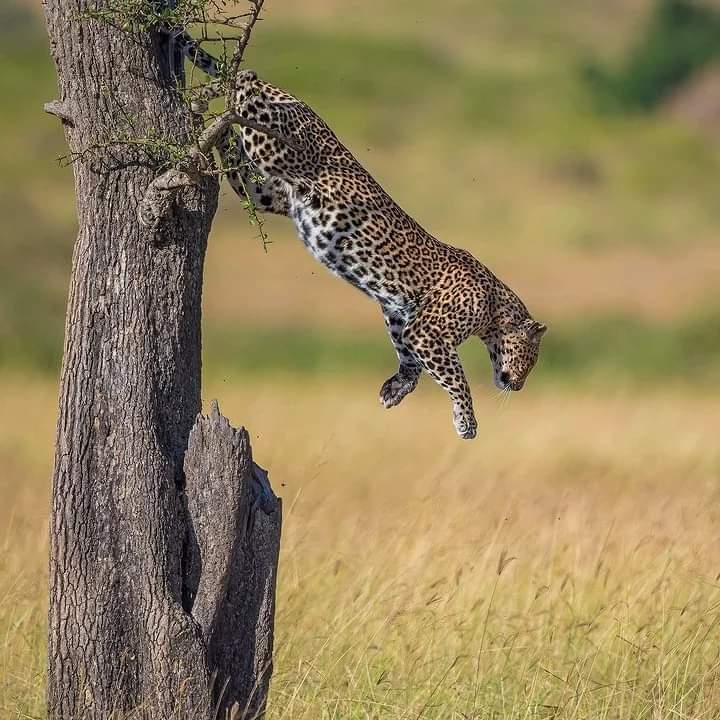
 1 / 9
1 / 9 6 daysprivate
6-Day Legend of the Wild Tanzania Private Safari
Highlights
- Big Five game drives
Loading SafariFind...
1 / 9Arrival in Arusha - Gateway to Adventure
Arusha
Meals: Dinner
Tarangire National Park - Land of the Elephants
Tarangire National Park
Meals: Breakfast, Lunch, Dinner
Journey to the Serengeti - Endless Plains Await
Serengeti National Park
Meals: Breakfast, Lunch, Dinner
Serengeti Central - Big Five Safari Experience
Serengeti National Park
Meals: Breakfast, Lunch, Dinner
Serengeti North - Migration & Hot Air Balloon Adventure
Serengeti National Park
Meals: Breakfast, Lunch, Dinner
Ngorongoro Crater - The Eighth Wonder of the World
Ngorongoro Crater
Meals: Breakfast
Year Round
Year-round
| Season | Solo traveler | 2 people | 3 – 4 people | 5 – 6 people | 7+ people | Child rate | Single suppl. |
|---|---|---|---|---|---|---|---|
Year Round Year-round | $5,760 | $2,500 | $3,460 | $3,260 | $3,070 | $2,690 | $1,150 |
Child rate applies to travelers under 12 years. Single supplement applies to solo travelers taking their own room.
Tarangire National Park is renowned as one of Tanzania's premier elephant destinations, hosting the largest concentration of elephants outside the Serengeti ecosystem. You can expect to see large herds of African elephants, particularly during the dry season when they congregate around the Tarangire River. The park is also home to lions, leopards, buffalo, giraffes, zebras, wildebeest, and numerous antelope species including impalas and warthogs. Birdwatchers will appreciate over 500 bird species recorded in the park, making it exceptional for avian photography and observation.
Tanzania offers excellent safari experiences year-round, but the best times depend on your priorities. The dry season (June to October) provides the best game viewing as animals congregate around water sources, offering excellent wildlife photography opportunities. During this period, the Serengeti's northern plains are particularly rewarding. The wet season (November to May) features lush landscapes, fewer tourists, and excellent birdwatching, though some roads may be challenging. For the Great Migration river crossings in the Serengeti, visit between July and September. Consider visiting during shoulder seasons (May-June or October-November) for a balance of good wildlife viewing and fewer crowds.
Pack neutral-colored, lightweight clothing in earth tones (khaki, tan, green, brown) to blend with the environment and avoid disturbing wildlife. Bring layers as mornings and evenings can be cool, especially at higher elevations like Ngorongoro Crater. Essential items include a wide-brimmed hat, high-SPF sunscreen, sunglasses, binoculars, a camera with extra batteries and memory cards, and a good quality zoom lens if you're serious about photography. Comfortable, broken-in walking shoes and closed-toe hiking boots are crucial. Don't forget insect repellent, any personal medications, a light rain jacket, and toiletries. A small daypack for game drives and a larger bag for your accommodation are practical. Leave behind bright colors, perfumes, and excessive jewelry that might distract wildlife.
Absolutely. The Ngorongoro Crater is one of Tanzania's most iconic destinations and a UNESCO World Heritage Site. This massive volcanic caldera, often called the 'Eighth Wonder of the World,' is the largest intact volcanic crater on Earth and contains a self-contained ecosystem. The crater floor hosts an incredible concentration of wildlife including lions, elephants, buffalo, zebras, and flamingos, making it one of the best places for guaranteed game viewing. The stunning landscape offers dramatic photography opportunities, and the cultural significance of the Maasai people who inhabit the crater rim adds another dimension to your visit. A day or overnight visit to Ngorongoro is highly recommended as part of any Tanzania safari itinerary.
A minimum of 3 days is recommended to experience the Serengeti meaningfully, though 4-5 days allows for deeper exploration and better wildlife encounters. The Serengeti is vast—approximately 14,750 square kilometers—and wildlife distribution varies seasonally. In a 6-day safari that includes the Serengeti along with Tarangire and Ngorongoro, you'll have sufficient time to explore multiple sections including the Central Serengeti and Northern plains. This duration allows for multiple game drives, increasing your chances of witnessing diverse wildlife interactions and natural behaviors. If the Great Migration is your primary goal, plan for at least 4-5 days in the Serengeti during migration season to maximize your chances of witnessing river crossings.
Visa requirements for Tanzania depend on your nationality. Many countries' citizens can obtain a visa on arrival at Tanzanian airports, while others may need to apply in advance through a Tanzanian embassy or online through the e-visa system. It's essential to check the current visa requirements for Tanzania based on your passport well before your trip—ideally 4-6 weeks in advance. Some nationalities receive visa-free entry for a limited period. Ensure your passport is valid for at least 6 months beyond your travel dates. We recommend visiting the official Tanzania immigration website or contacting your nearest Tanzanian embassy for the most current and accurate information specific to your nationality.
While specific vaccination requirements vary by individual health status and travel history, certain vaccines are commonly recommended for Tanzania. Yellow fever vaccination is frequently advised, particularly if you're coming from or have visited other yellow fever endemic countries. Malaria prophylaxis is strongly recommended for most areas of Tanzania, especially lower-altitude regions like Tarangire and the Serengeti. Consult with a travel medicine specialist or your healthcare provider at least 4-6 weeks before departure to determine which vaccinations and preventative medications are appropriate for your specific situation. They may recommend vaccines for hepatitis A and B, typhoid, and routine immunizations. Additionally, ensure your routine vaccinations (MMR, tetanus, etc.) are current. It's crucial to seek professional medical advice rather than relying on general information.
Tanzania safari costs vary significantly based on season, accommodation level, group size, and operator. A 6-day private safari generally ranges from mid-range to luxury pricing depending on your choices. Budget safaris with basic accommodations start lower, while mid-range options with comfortable lodges or camps offer better value, and luxury safaris with premium lodges command higher prices. Private safaris cost more than group tours but offer flexibility, personalized itineraries, and exclusive game drive experiences. Peak season (June-October) typically costs more than shoulder or low seasons. Your total cost should include park fees, accommodation, meals, guide services, vehicle, and transfers as outlined in your package inclusions. Additional expenses like travel insurance, international flights, visas, tips, and optional activities will add to your budget. Request detailed quotes from operators to understand what's included and excluded.
The Serengeti and Ngorongoro Crater offer distinctly different safari experiences. The Serengeti is vast and open, covering approximately 14,750 square kilometers with diverse ecosystems and seasonal wildlife migrations. Game viewing requires more driving and patience, but you'll witness natural behaviors and the famous Great Migration. The Serengeti offers a true wilderness experience with vast plains and dramatic landscapes. The Ngorongoro Crater, conversely, is a contained ecosystem within a volcanic caldera where wildlife is concentrated on the crater floor. This concentration means higher probability of spotting the 'Big Five' in a shorter timeframe, making it ideal for efficient game viewing. Ngorongoro offers stunning crater views and is more compact, while the Serengeti provides a sense of expansiveness and untamed wilderness. Both are essential components of a comprehensive Tanzania safari.
Yes, Tanzania is an excellent destination for seeing the Big Five—lion, elephant, buffalo, leopard, and rhinoceros. Tarangire is particularly famous for its elephant populations, while the Serengeti and Ngorongoro Crater offer good opportunities for lions, buffalo, and occasionally leopards. Elephants are abundant throughout these parks. Rhinoceros sightings are rarer and require luck and persistence, as they're less commonly encountered. The Serengeti's vast plains and Ngorongoro's concentrated ecosystem both increase your chances of Big Five encounters. However, wildlife sightings are never guaranteed—safaris are about experiencing nature in its natural state. Working with an experienced professional guide significantly increases your odds of locating these iconic animals. A 6-day safari covering multiple parks substantially improves your chances of completing the Big Five compared to shorter safari durations.
© 2026 SafariFind. All rights reserved.
