6 daysshared
6-Day Masai Mara – Lake Nakuru – Amboseli
Highlights
- Game drives
- Big 5 Animals
Loading SafariFind...
NAIROBI TO MAASAI MARA
Maasai Mara National Reserve
Meals: Lunch, Dinner
MAASAI MARA FULL DAY
Maasai Mara National Reserve
Meals: Breakfast, Lunch, Dinner
MAASAI MARA TO LAKE NAKURU
Nakuru
Meals: Breakfast, Lunch, Dinner
LAKE NAKURU TO AMBOSELI
Amboseli National Park
Meals: Breakfast, Lunch, Dinner
AMBOSELI FULL DAY
Amboseli National Park
Meals: Breakfast, Lunch, Dinner
AMBOSELI TO NAIROBI
Nairobi
Meals: Breakfast, Lunch
Year Round
Year-round
| Season | Solo traveler | 2 people | 3 – 4 people | 5 – 6 people | 7+ people | Child rate | Single suppl. |
|---|---|---|---|---|---|---|---|
Year Round Year-round | $1,390 | $920 | $830 | $790 | $740 | $650 | $280 |
Child rate applies to travelers under 3 years. Single supplement applies to solo travelers taking their own room.
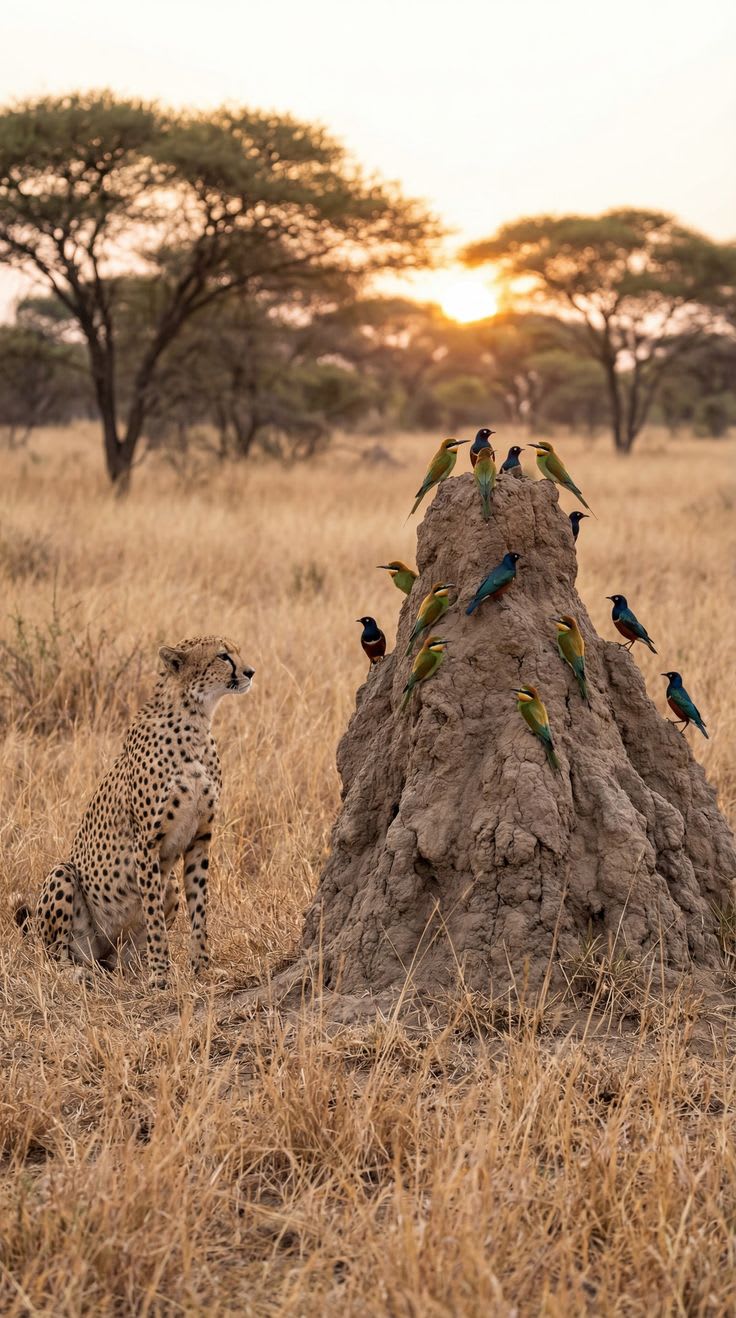
The Masai Mara National Reserve is home to Kenya's most abundant wildlife, including the Big Five—lions, elephants, buffalo, leopards, and rhinoceros. You'll also encounter giraffes, zebras, wildebeest, hyenas, cheetahs, and numerous bird species. The reserve's diverse ecosystem supports over 95 large mammal species and 450 bird species, making it one of Africa's premier wildlife viewing destinations. Game drives provide excellent opportunities to observe these animals in their natural habitat, particularly during early morning and late afternoon when wildlife is most active.
The best time to visit Kenya's parks depends on what you want to experience. The dry seasons—June to October and January to February—offer the best game viewing because animals congregate around water sources, making them easier to spot. July to October is peak season for the Great Migration in the Masai Mara. The wet seasons (March to May and November to December) bring lush landscapes, fewer tourists, and excellent bird watching. Each season has distinct advantages, so consider your priorities when planning your safari.
Yes, safaris in Kenya are generally safe when conducted with reputable operators and professional guides. Licensed safari companies follow strict safety protocols, and experienced English-speaking guides are trained in wildlife behavior and emergency procedures. Game drives occur in protected national parks with established routes and ranger presence. It's advisable to follow your guide's instructions, stay in vehicles during game drives, and avoid walking alone in the bush. Check current travel advisories from your government, ensure you have travel insurance, and consult with a travel health clinic about recommended vaccinations before your trip.
Pack lightweight, neutral-colored clothing (khaki, tan, green, and brown) as bright colors can startle wildlife. Bring long sleeves and pants for sun protection and insect defense, comfortable walking shoes, and a wide-brimmed hat. Essential items include high-SPF sunscreen, binoculars, a camera with extra batteries and memory cards, and any personal medications. Include a light jacket for early morning and evening game drives when temperatures drop. Toiletries, insect repellent, and a reusable water bottle are also important. Check your accommodation's amenities—most safari lodges provide basic toiletries, so you can pack lighter. Avoid camouflage patterns as they may not be permitted in some parks.
Kenya safari costs vary widely based on accommodation quality, season, and package inclusions. Budget safaris range from $1,500 to $3,000 per person for 6 days, mid-range options from $3,000 to $6,000, and luxury safaris from $6,000 to $15,000 or more. Most safari packages include park fees, accommodation, meals, professional guides, and airport transfers, which significantly reduces out-of-pocket expenses during your trip. Additional costs to budget for include international flights, travel insurance, visa fees, tips for guides and staff, alcoholic beverages, and optional activities. Traveling during shoulder seasons (March to May or November to December) often offers better rates than peak season.
Visa requirements for Kenya depend on your nationality. Many countries' citizens can obtain a visa on arrival or apply for an e-visa online before travel, which is convenient and typically costs around $50 USD. Some nationalities enjoy visa-free entry for short stays. Check the Kenyan immigration website or contact your nearest Kenyan embassy for specific requirements based on your passport. Your safari operator can provide guidance, but it's your responsibility to ensure you have proper travel documentation. Process visa applications well in advance of your travel dates to avoid delays.
Consult a travel health clinic at least 4 to 6 weeks before your safari for personalized recommendations. Yellow fever vaccination is commonly recommended and sometimes required depending on which regions you visit and your travel history. Other vaccinations frequently advised include typhoid, hepatitis A and B, and routine immunizations. Malaria prophylaxis is typically recommended for most parts of Kenya, though risk levels vary by region and season. The Masai Mara, Lake Nakuru, and Amboseli areas have malaria presence, so your doctor may prescribe preventive medication. Bring any prescribed medications in original containers and carry a copy of your vaccination certificate.
While the Big Five can sometimes be spotted in a single day with good luck, most wildlife experts recommend at least 4 to 6 days for a reasonable chance of seeing all five animals. A 6-day safari across multiple parks—like visiting the Masai Mara, Lake Nakuru, and Amboseli—significantly increases your odds because different parks have varying concentrations of these species. The Masai Mara is particularly renowned for Big Five sightings. Success depends on timing, season, weather, and luck, but professional guides with extensive knowledge of animal behavior and movement patterns greatly improve your chances. Early morning and late afternoon game drives offer the best viewing opportunities.
Lake Nakuru National Park is world-famous for its massive flocks of flamingos, which create a stunning pink-colored shoreline—a sight that attracts photographers and nature lovers globally. The park is also an excellent location for spotting black and white rhinoceros, as it's a designated rhino sanctuary with one of Kenya's highest rhino populations. Beyond flamingos and rhinos, you'll encounter lions, leopards, buffalo, zebras, giraffes, and over 450 bird species. The alkaline lake supports unique ecosystems, and the park's compact size makes it ideal for concentrated wildlife viewing. The scenic beauty combined with diverse wildlife makes it a must-visit destination on any Kenya safari itinerary.
Amboseli National Park sits at the base of Mount Kilimanjaro, Africa's highest peak at 19,341 feet (5,895 meters), which straddles the Kenya-Tanzania border. The park's location in the rain shadow of the mountain creates a semi-arid landscape with scattered acacia woodlands and open plains. On clear days, Kilimanjaro's snow-capped summit provides a breathtaking backdrop for wildlife viewing and photography. The mountain influences the park's climate and water availability, creating seasonal water sources that attract large elephant herds and other wildlife. Amboseli is particularly renowned for its elephant populations, and the combination of these massive animals against the iconic mountain creates unforgettable safari moments and photography opportunities.
 Cache Tours and SafarisNairobi, Kenya
© 2026 SafariFind. All rights reserved.