 1 / 91 / 9
Loading SafariFind...
1 / 9Transfer from Nairobi to Masai -Mara
Masai Mara National Reserve
Meals: Dinner
Day 2
Masai Mara National Reserve
Meals: Breakfast, Lunch, Dinner
Day 3
Lake Nakuru National Park
Meals: Breakfast, Lunch, Dinner
Day 4
Amboseli National Park
Meals: Breakfast, Lunch, Dinner
Day 5
Amboseli National Park
Meals: Breakfast, Lunch, Dinner
Day 6
Nairobi
Meals: Breakfast
High Season
Jun 2026 – Oct 2026
Low Season
Nov 2026 – May 2027
| Season | Solo traveler | 2 people | 3 – 4 people | 5 – 6 people | 7+ people | Child rate | Single suppl. |
|---|---|---|---|---|---|---|---|
High Season Jun 2026 – Oct 2026 | $890 | $590 | $530 | $500 | $480 | $420 | $180 |
Low Season Nov 2026 – May 2027 | $760 |
Child rate applies to travelers under 12 years. Single supplement applies to solo travelers taking their own room.
The Maasai Mara is home to the Big Five—lions, elephants, buffalo, leopards, and rhinoceros—along with countless other species including cheetahs, giraffes, zebras, wildebeest, and hyenas. The park's diverse ecosystem supports over 450 bird species, making it one of Africa's premier wildlife viewing destinations. Game drives through the savannah provide excellent opportunities to encounter these animals in their natural habitat, especially during early morning and late afternoon when wildlife is most active.
Yes, Lake Nakuru is absolutely worth including in a Kenya safari itinerary. The park is famous for its stunning alkaline lake, which historically attracted millions of flamingos creating a pink-hued spectacle. Beyond flamingos, the park hosts rhinos, lions, leopards, buffalo, and over 450 bird species. The picturesque landscape with acacia trees and rocky outcrops provides beautiful scenery and excellent photography opportunities. It's an ideal complement to larger parks like the Maasai Mara, offering a different ecosystem and wildlife experience within a more compact area.
Amboseli National Park is renowned for three main attractions: massive elephant herds—some of the largest concentrations in Africa—stunning views of Mount Kilimanjaro, Africa's highest peak, and exceptional wildlife photography opportunities. The park's diverse habitats include swamps, woodlands, and open plains, supporting lions, buffalo, giraffes, zebras, and numerous bird species. The backdrop of snow-capped Kilimanjaro creates breathtaking scenery, especially during clear mornings. Amboseli is also known for its long-term elephant research, making it ideal for those interested in understanding elephant behavior and conservation.
The best time for a Kenya safari depends on what you want to experience. The dry seasons—June to October and January to February—offer the best game viewing as animals congregate around water sources and vegetation is sparse, making wildlife easier to spot. July to October is peak season for witnessing the Great Migration in the Maasai Mara, when massive herds of wildebeest and zebras cross from Tanzania. The wet seasons (March to May and November to December) bring lush landscapes, fewer tourists, and excellent birdwatching, though game viewing can be more challenging. Year-round, Kenya's diverse parks offer rewarding wildlife experiences.
Essential items for a Kenya safari include lightweight, neutral-colored clothing (khaki, beige, green) for game drives, a warm jacket or fleece for early morning drives when temperatures drop, sturdy closed-toe hiking boots, a wide-brimmed hat, and high-SPF sunscreen. Bring binoculars for wildlife spotting, a quality camera with extra batteries and memory cards, and any personal medications. Pack a small daypack for game drives and comfortable clothes for evenings. Don't forget a reusable water bottle (bottled water is provided during drives), insect repellent, and toiletries. Check with your operator about specific recommendations, and remember that many lodges have laundry services if you're packing light.
Visa requirements for Kenya depend on your nationality. Many countries' citizens can obtain a visa on arrival at Kenyan airports or apply online through the e-visa system before travel. Some nationalities qualify for visa-free entry for short stays. It's essential to check the current requirements with the Kenyan immigration website or your nearest Kenyan embassy well before your trip, as regulations can change. Ensure your passport is valid for at least six months beyond your travel dates. Most tour operators can provide guidance on visa requirements, but you should verify official requirements independently to avoid travel disruptions.
A 6-day budget-friendly Kenya safari typically ranges from $1,500 to $3,500 per person, depending on accommodation standards, season, and operator. Budget packages offer comfortable mid-range lodges, private 4x4 vehicles, professional guides, meals, and park fees. Peak season (July-October) commands higher prices than shoulder seasons. Budget safaris usually include accommodation, meals, guided game drives, airport transfers, and park entrance fees, but typically exclude international flights, visa fees, travel insurance, alcoholic beverages, and tips. To get accurate pricing, request quotes from operators and clarify what's included. Many companies offer flexible options to suit different budgets while maintaining quality experiences.
A comprehensive Kenya safari package typically includes accommodation at lodges or camps, private 4x4 safari vehicle with a professional guide, all meals (breakfast, lunch, dinner), bottled water during game drives, airport transfers, and national park entrance fees. Government taxes and VAT are usually included in quoted prices. However, international airfare, visa fees, travel insurance, alcoholic beverages, optional activities (like hot air balloon rides), personal expenses, and gratuities are typically excluded. Before booking, carefully review what's included and excluded with your operator to avoid unexpected costs. Some packages offer add-ons for activities like cultural visits or specialized photography tours.
Most Kenya safari itineraries include two game drives daily: an early morning drive (typically 6:00-10:00 AM) and an afternoon/evening drive (typically 3:30-7:30 PM or sunset). These times coincide with peak wildlife activity when animals are most likely to be visible and active. Between drives, you'll return to your lodge for breakfast, lunch, and rest. Some packages may include full-day game drives with packed lunches, depending on the itinerary and park regulations. Your professional guide will determine specific timing and routes based on wildlife sightings, weather, and park guidelines. This schedule balances wildlife viewing opportunities with comfort and rest.
Yes, you can potentially witness the Great Migration during a 6-day safari, but timing is crucial. The migration reaches the Maasai Mara between July and October, when massive herds of wildebeest and zebras cross from Tanzania's Serengeti in search of fresh grazing. A 6-day itinerary visiting the Maasai Mara during these months offers excellent chances of seeing river crossings and large concentrations of migrating animals. However, sightings aren't guaranteed as the herds' exact location varies daily. For the best experience, book during peak migration months and discuss migration probabilities with your tour operator when planning your trip.
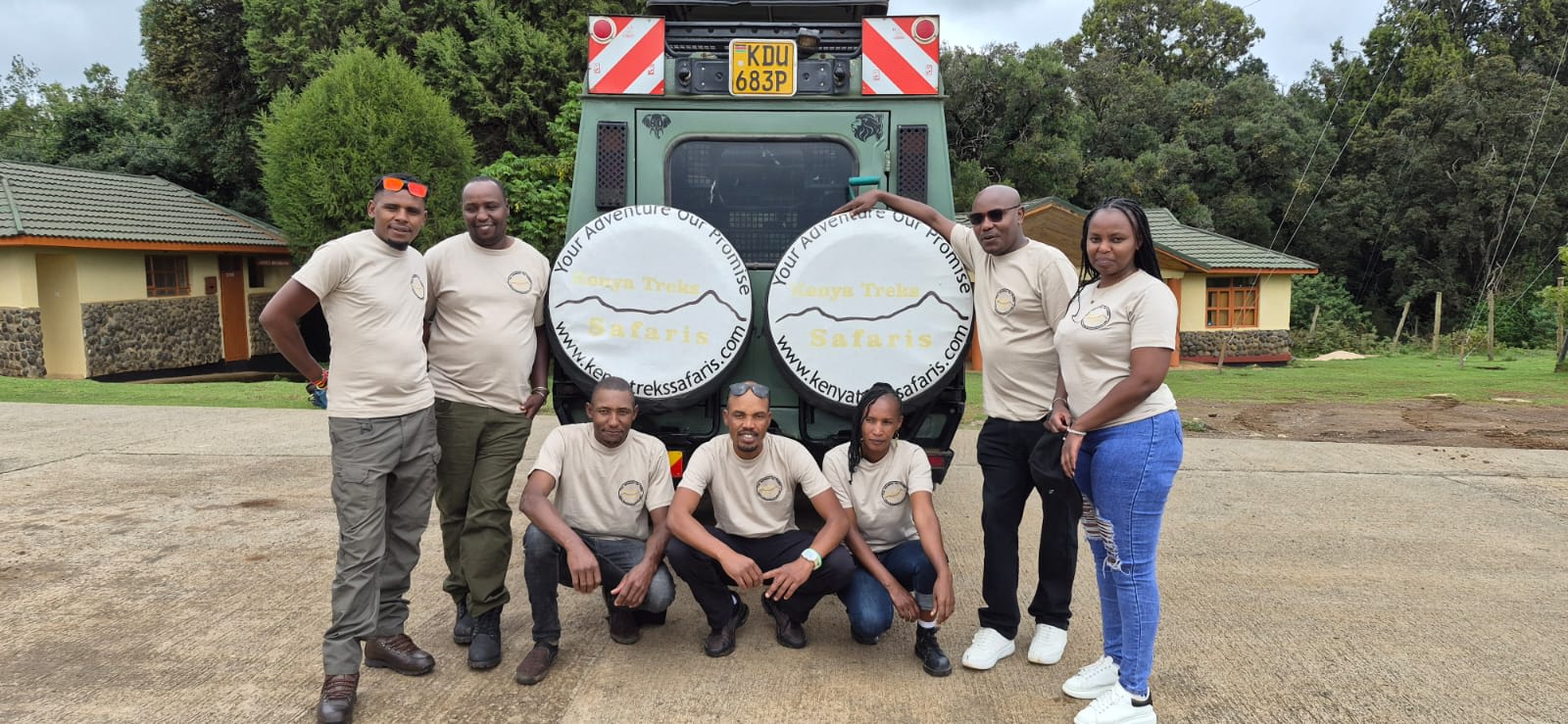
 Mukima Trekings NANYUKI, Kenya5.0(5 reviews)
© 2026 SafariFind. All rights reserved.
| $500 |
| $450 |
| $430 |
| $400 |
| $420 |
| $180 |