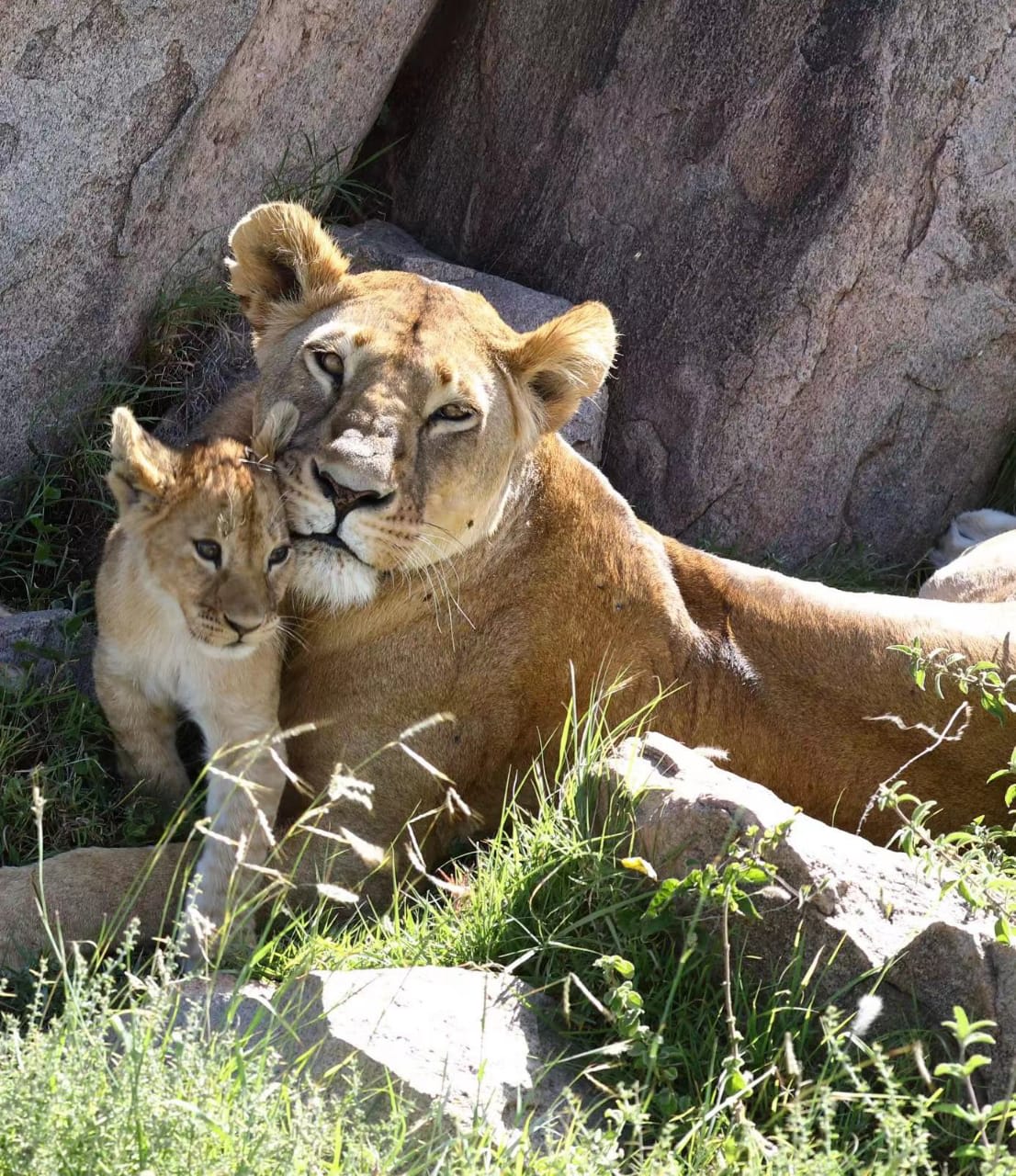
 1 / 41 / 4
Loading SafariFind...
1 / 4Arusha – Tarangire National Park
Tarangire National Park
Meals: Dinner
Karatu – Lake Manyara National Park
Lake Manyara National Park
Meals: Breakfast, Lunch, Dinner
Karatu – Serengeti National Park
Serengeti National Park
Meals: Breakfast, Lunch, Dinner
Full-Day Serengeti Safari
Serengeti National Park
Meals: Breakfast, Lunch, Dinner
Serengeti – Ngorongoro Conservation Area + Maasai Visit
Ngorongoro Crater
Meals: Breakfast, Lunch, Dinner
Ngorongoro Crater – Arusha
Arusha
Meals: Breakfast
Year Round
Year-round
| Season | 2 people |
|---|---|
Year Round Year-round | $1,980 |
Tarangire National Park is one of Tanzania's premier wildlife destinations, particularly renowned for its massive elephant herds—some of the largest concentrations in Africa. Beyond elephants, you'll encounter lions, leopards, giraffes, zebras, wildebeest, buffalo, and numerous antelope species. The park is also famous for its ancient baobab trees, which create a distinctive landscape. The Tarangire River attracts wildlife year-round, making it an excellent location for game viewing. Birdwatchers will appreciate the over 300 bird species found in the park, including eagles, ostriches, and crowned cranes.
The Great Migration in Tanzania's Serengeti typically occurs from June to October, with the peak usually between July and September. During this period, massive herds of wildebeest and zebras move across the Serengeti plains in search of fresh grazing lands, creating one of nature's most spectacular wildlife events. However, Tanzania offers excellent game viewing year-round. The dry season (June to October) provides the best overall wildlife viewing as animals congregate around water sources. The wet season (November to May) offers lush landscapes, fewer tourists, and excellent bird watching, though some roads may be challenging.
Yes, Tanzania is one of the best destinations in Africa to see the Big Five (lion, leopard, rhinoceros, elephant, and buffalo). The Ngorongoro Crater, in particular, is famous for offering one of the highest chances of seeing all five species in a single day due to its concentrated wildlife population within the crater's unique ecosystem. The Serengeti and Tarangire National Parks also offer excellent opportunities to encounter most of the Big Five. While leopard sightings require some luck due to their elusive nature, the other four species are regularly seen. Your professional guide's expertise significantly increases your chances of locating these iconic animals.
The Ngorongoro Crater is a UNESCO World Heritage Site and one of Africa's most remarkable natural wonders. This massive volcanic caldera, formed millions of years ago, descends about 600 meters (2,000 feet) and covers approximately 260 square kilometers. What makes it exceptional for safari is its unique ecosystem—the crater floor supports an incredibly dense concentration of wildlife in a relatively compact area, including lions, elephants, buffalo, zebras, wildebeest, and flamingos. The crater's self-contained environment means animals have limited migration routes, increasing your chances of wildlife encounters. The dramatic volcanic landscape combined with abundant wildlife makes it one of the best places in Africa to experience diverse wildlife in a single location.
For a Tanzania safari, pack lightweight, neutral-colored clothing in khaki, beige, tan, and olive tones—these colors blend into the landscape and don't disturb wildlife. Bring long-sleeved shirts and long pants for sun protection and insect defense, plus a warm layer for early morning game drives when temperatures are cool. Essential items include a wide-brimmed hat, sunglasses, high-SPF sunscreen, insect repellent, and a refillable water bottle. Comfortable walking shoes and closed-toe hiking boots are important for village visits and nature walks. Pack a camera with extra batteries and memory cards, binoculars for wildlife viewing, and any personal medications. Consider a lightweight rain jacket for the wet season. Check with your operator about specific recommendations, and remember that bottled water is provided during game drives.
A 6-day safari is an ideal duration for experiencing Tanzania's major wildlife destinations and cultural experiences. This timeframe allows you to visit multiple national parks—typically Tarangire, Lake Manyara, Serengeti, and Ngorongoro Crater—without feeling rushed. Six days provides sufficient time for multiple game drives in each location, increasing your chances of wildlife encounters, and allows for a meaningful cultural experience with local Maasai communities. While 3-4 day safaris are possible, they limit your exploration to fewer parks. Longer safaris (7+ days) allow for deeper exploration and more flexibility if wildlife sightings are slow. A 6-day itinerary strikes an excellent balance between comprehensive wildlife viewing, cultural immersion, and practical travel considerations.
Lake Manyara National Park is a compact yet incredibly biodiverse ecosystem located in northern Tanzania. It's most famous for its tree-climbing lions—a rare behavior where lions rest in acacia trees, likely to escape insects and heat. The park is also renowned for its large concentrations of flamingos and other water birds, which create stunning pink-hued scenes on the alkaline lake. You'll also see hippos, buffalo, giraffes, zebras, and various antelope species. The park features lush forests, grassy plains, and the scenic Lake Manyara itself. Despite being smaller than other Tanzania parks, its diverse habitats and wildlife density make it a highlight of any northern Tanzania safari. The park is particularly excellent for bird watching, with over 400 bird species recorded.
A Maasai village visit offers an authentic cultural immersion into one of East Africa's most iconic indigenous communities. You'll typically visit a traditional Maasai homestead (boma) where you can learn about their pastoral lifestyle, traditions, and customs directly from community members. Experiences often include watching traditional Maasai dances, particularly the famous jumping dance (adumu), learning about their distinctive beaded jewelry and red cloth (shuka), and understanding their relationship with cattle, which is central to Maasai culture. You may participate in activities like learning traditional crafts or visiting a local school. These visits provide genuine cultural exchange and support local communities. It's important to approach with respect and cultural sensitivity, follow your guide's etiquette guidelines, and understand that photography may require permission.
While specific health requirements depend on your origin country and personal health history, Tanzania safaris do require certain health considerations. Yellow fever vaccination is often recommended or required depending on your country of residence and departure location. Malaria is present in Tanzania, particularly at lower elevations, so antimalarial medication is typically recommended—consult your doctor or travel clinic before departure. Routine vaccinations (measles, polio, tetanus) should be current. Other precautions include using insect repellent, wearing long sleeves and pants during dawn and dusk, and maintaining good hygiene. Drinking bottled water (provided during game drives) and eating properly cooked food reduces foodborne illness risk. It's essential to visit a travel health clinic 4-6 weeks before your trip for personalized medical advice based on your health profile and itinerary.
Midrange safaris in Tanzania offer an excellent balance between comfort, quality, and value. Midrange lodges provide clean, comfortable rooms with en-suite bathrooms and reliable amenities—more comfortable than budget camps but without the high-end luxury of premium properties. Meals are typically well-prepared and varied, included in most packages. You'll travel in a private or shared 4x4 vehicle with a professional, English-speaking guide, ensuring quality wildlife viewing and interpretation. Midrange safaris include all park fees and most logistics, making budgeting straightforward. Budget safaris may involve shared vehicles, larger groups, and basic accommodations, while luxury safaris offer premium lodges, gourmet dining, and personalized service. Midrange options provide the best value for most travelers, delivering authentic safari experiences, comfortable lodging, knowledgeable guides, and cultural experiences without the premium price tag of luxury packages.
 Pumba ReisenArusha, Tanzania
© 2026 SafariFind. All rights reserved.