 1 / 31 / 3
Loading SafariFind...
1 / 3Arrival in Arusha & Gateway Orientation
Meals: Dinner
Arusha to Tarangire National Park
Meals: Breakfast, Lunch, Dinner
Tarangire Exploration & Serengeti Transfer
Meals: Breakfast, Lunch, Dinner
Full Day Serengeti Safari Adventure
Meals: Breakfast, Lunch, Dinner
Serengeti to Ngorongoro Crater Rim
Meals: Breakfast, Lunch, Dinner
Ngorongoro Crater Descent & Departure
Meals: Breakfast
Tarangire National Park is renowned for its exceptional wildlife viewing, particularly large elephant herds that congregate along the Tarangire River. You'll have the opportunity to spot lions, leopards, giraffes, zebras, wildebeest, buffalo, and various antelope species. The park is also famous for its giant baobab trees, which create a distinctive landscape. The river acts as a natural gathering point, especially during the dry season, making game viewing particularly rewarding. Bird enthusiasts will appreciate the over 500 bird species found in the park.
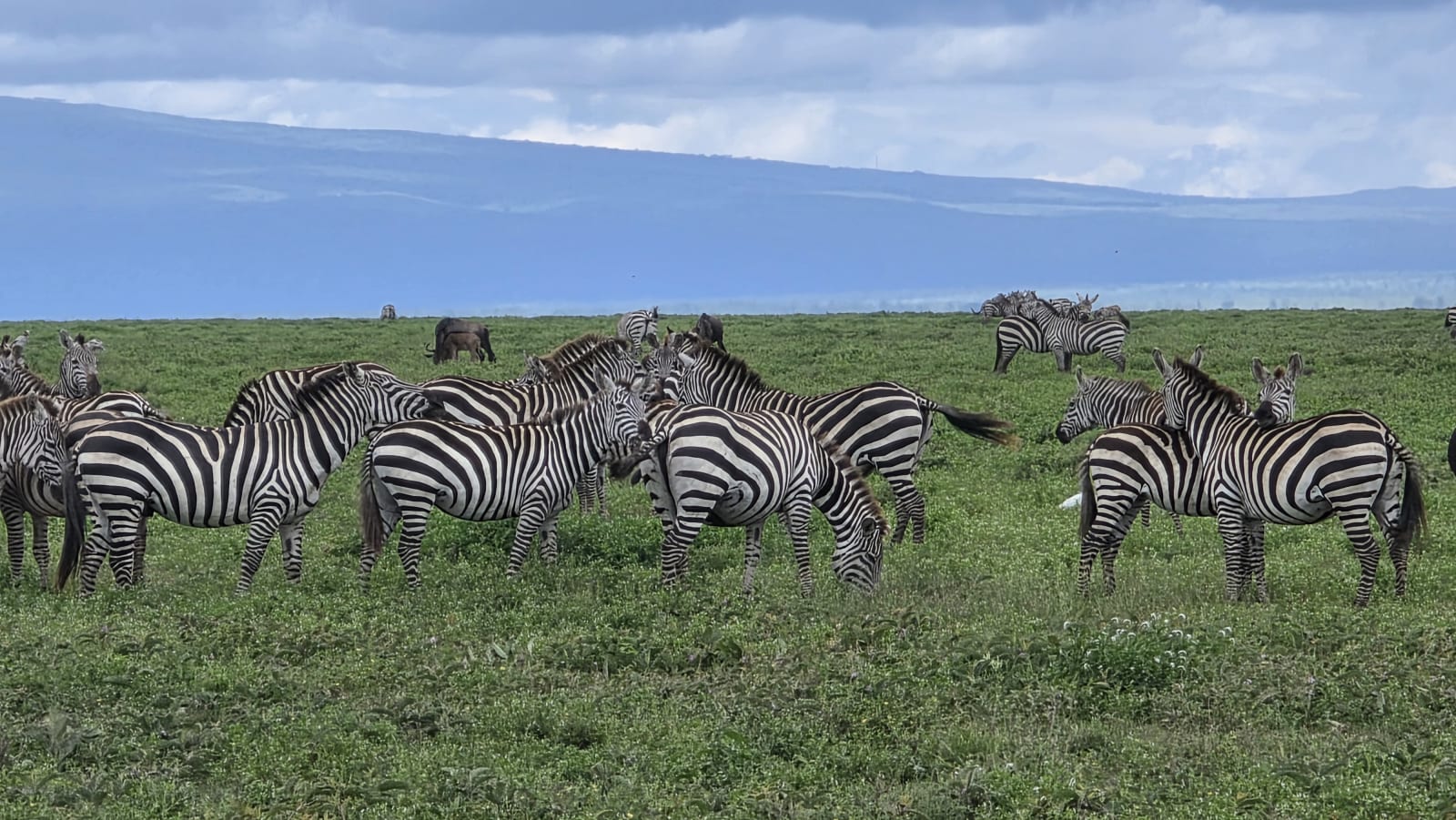
The Great Migration in the Serengeti typically occurs between June and October, when massive herds of wildebeest and zebras move across the plains in search of fresh grazing land. The exact timing varies slightly year to year depending on rainfall patterns. July and August are peak months for witnessing this spectacular natural phenomenon. However, the Serengeti offers excellent wildlife viewing year-round, with different advantages in each season—the dry season (June-October) provides the best general game viewing due to concentrated wildlife around water sources.
For a northern Tanzania safari, pack lightweight, neutral-colored clothing suitable for warm days and cool mornings/evenings. Essential items include a wide-brimmed hat, sunglasses, high-SPF sunscreen, and a light jacket or sweater for early morning game drives. Bring comfortable walking shoes and closed-toe hiking boots for crater exploration. Don't forget binoculars, a camera with extra batteries, and any personal medications. Neutral earth tones (khaki, tan, olive) are ideal for wildlife viewing. Pack toiletries, as amenities vary by accommodation. A small daypack is useful for carrying water and personal items during game drives. Check your accommodation details for specific amenities to avoid overpacking.
The Ngorongoro Crater is absolutely worth visiting and is one of the most spectacular natural wonders in Africa. This UNESCO World Heritage Site is a massive volcanic caldera that descends approximately 600 meters and contains one of the highest concentrations of wildlife in Africa. The crater floor hosts lions, elephants, buffalo, zebras, flamingos, and numerous other species in a relatively compact area, making it ideal for exceptional game viewing. The dramatic scenery combined with the unique ecosystem creates an unforgettable experience. A crater descent is a highlight of any northern Tanzania safari and offers wildlife viewing opportunities you won't find elsewhere.
A comprehensive safari covering northern Tanzania's major parks—including Tarangire, Serengeti, and Ngorongoro Crater—typically requires 5 to 7 days. A 6-day itinerary allows sufficient time to experience each destination without excessive rushing, including one full day in the Serengeti for optimal wildlife viewing. This duration balances the need for adequate game drives and exploration with practical travel logistics. Longer safaris (7-10 days) allow for more flexibility and deeper exploration, while shorter safaris (3-4 days) are possible but more condensed. The ideal length depends on your interests, budget, and how much time you want to spend in each park.
Visa requirements for Tanzania depend on your nationality. Many countries' citizens can obtain a visa on arrival at Kilimanjaro International Airport or apply for an e-visa online before travel. Some nationalities may be exempt from visa requirements for short stays. It's essential to check the current visa requirements with the Tanzanian embassy or consulate in your country well before your departure date, as regulations can change. Most visitors will need a passport valid for at least 6 months beyond their travel dates. Additionally, ensure you have appropriate travel insurance and check any health requirements or vaccinations recommended for Tanzania.
The Serengeti and Ngorongoro Crater offer distinctly different safari experiences. The Serengeti is vast (approximately 14,750 square kilometers) with endless plains, offering expansive landscapes and the opportunity to witness wildlife migrations across enormous distances. Game viewing requires more driving and patience, but rewards you with authentic wilderness experiences. The Ngorongoro Crater is much smaller and more concentrated, with one of the highest densities of wildlife in Africa contained within a volcanic caldera. The crater offers dramatic scenery and typically easier game viewing due to the confined space and high animal concentration. Both are exceptional but offer different perspectives—the Serengeti for scale and migration, the crater for concentrated wildlife and geological drama.
During a northern Tanzania safari, meals are typically included as part of the package, with breakfast, lunch, and dinner provided daily. Breakfast is usually served at your accommodation before early morning game drives. Lunch is often a packed lunch box taken with you on game drives, allowing you to eat while enjoying the landscape. Dinner is served at your accommodation in the evening. Bottled water is provided during game drives to keep you hydrated in the heat. The quality and variety of meals depend on your accommodation level. Most safari operators cater to dietary restrictions if notified in advance, so inform them of any dietary preferences or requirements when booking.
Northern Tanzania's parks offer some of the world's best wildlife viewing opportunities. In Tarangire, you can expect to see large elephant herds, predators like lions and leopards, and diverse herbivores during game drives. The Serengeti, being significantly larger, offers exceptional wildlife viewing with the chance to see the Big Five (lion, leopard, elephant, buffalo, and rhino, though rhinos are rare). Your likelihood of seeing specific animals depends on the season, weather, and luck—wildlife is wild and unpredictable. Professional guides significantly increase sighting opportunities through their knowledge and experience. Most visitors see abundant wildlife during a 6-day safari, with multiple sightings daily. The Ngorongoro Crater provides some of the most concentrated and reliable wildlife viewing due to the high animal density in the confined space.
Northern Tanzania's weather varies by season. The dry season (June-October) features warm days (20-25°C or 68-77°F) and cool mornings/evenings (10-15°C or 50-59°F), with excellent visibility for game viewing. The wet season (November-May) brings afternoon rains, lush vegetation, and fewer tourists, though wildlife viewing remains good. Daytime temperatures range from 20-28°C (68-82°F) year-round. Early mornings on game drives can be quite cool, so layering is essential. The highlands around Ngorongoro are cooler than lower-altitude areas. Pack both lightweight clothing for warm afternoons and layers for cool mornings. The best time for wildlife viewing is generally the dry season, but each season offers unique advantages.
 Utele SafariArusha, Tanzania
© 2026 SafariFind. All rights reserved.