 1 / 2
1 / 2 6 daysprivate
6-Day South Luangwa Budget Walking Safari
Highlights
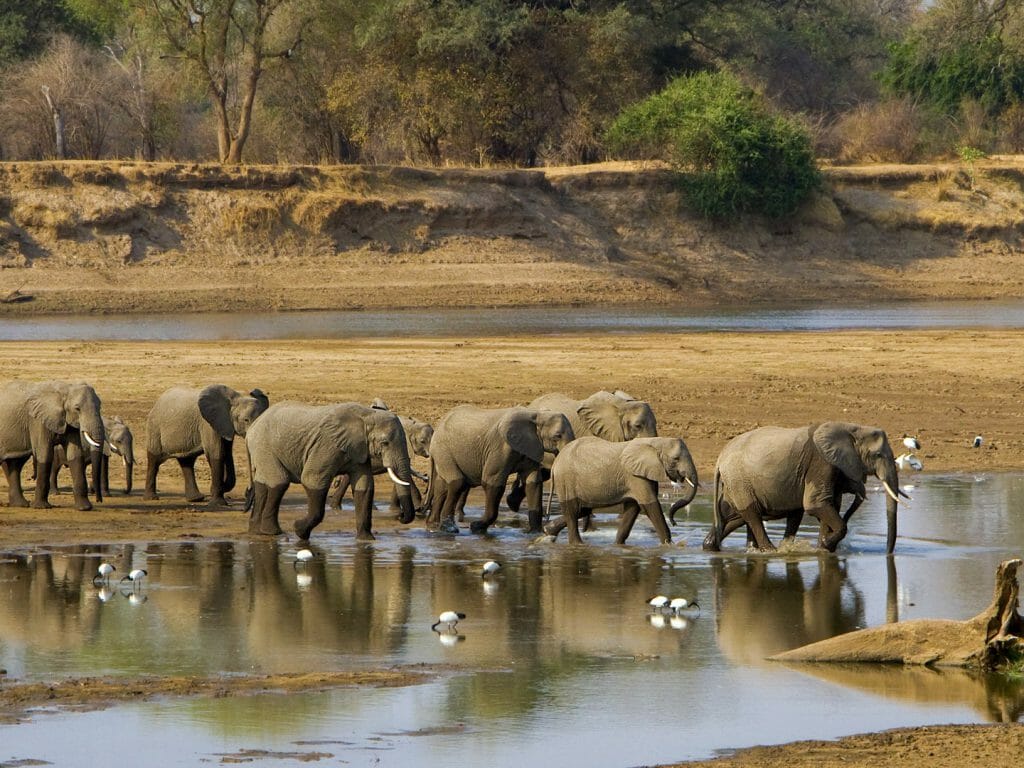
- elephants, giraffes, hippos, lions, leopards, antelope
Loading SafariFind...
1 / 2Arrival – Camp Sabali
South Luangwa National Park
Meals: Breakfast, Lunch, Dinner
Game Drives & Intro Walks
South Luangwa National Park
Meals: Breakfast, Lunch, Dinner
Transfer to Luwi Camp
South Luangwa National Park
Meals: Breakfast, Lunch, Dinner
Full Walking Safari Day
South Luangwa National Park
Meals: Breakfast, Lunch, Dinner
Walk to Nsolo Camp
South Luangwa National Park
Meals: Breakfast, Lunch, Dinner
Departure
Mfuwe
Meals: Breakfast
Year Round
Year-round
| Season | Solo traveler | 2 people | 3 – 4 people | 5 – 6 people | 7+ people | Child rate | Single suppl. |
|---|---|---|---|---|---|---|---|
Year Round Year-round | $5,450 | $3,630 | $3,270 | $3,090 | $2,900 | $2,540 | $1,090 |
Child rate applies to travelers under 12 years. Single supplement applies to solo travelers taking their own room.
South Luangwa is home to an impressive variety of wildlife that you'll encounter on foot. The park is particularly known for its large elephant populations, lions, leopards, giraffes, and numerous antelope species including impala, puku, and bushbuck. Walking safaris also offer exceptional opportunities to spot smaller creatures often missed on vehicle-based tours, such as birds, insects, reptiles, and smaller mammals. The Luangwa River attracts hippos, crocodiles, and various water birds, especially during the dry season when animals congregate near water sources. Your professional guide will teach you to read animal tracks and understand behavior patterns, making each sighting more meaningful and educational.
Yes, walking safaris in South Luangwa are conducted with comprehensive safety measures in place. All walks are led by professional, experienced guides who are trained in wildlife behavior and safety protocols. An armed scout accompanies every walking safari group, providing an additional layer of security. These guides are skilled at reading animal behavior and positioning your group appropriately to avoid dangerous situations. Walking safaris typically involve slow-paced, quiet movement through the bush, which actually reduces the likelihood of surprising animals. That said, it's important to follow your guide's instructions carefully, maintain a safe distance from wildlife, and understand that you're in a wild environment where respect for animals and nature is paramount.
Walking safaris and game drive safaris offer distinctly different experiences. On a walking safari, you move through the landscape on foot, allowing you to observe smaller details—animal tracks, insects, plants, and bird calls—that are easily missed from a vehicle. This slower pace creates a more intimate connection with the environment and wildlife. Walking safaris emphasize quiet observation and understanding bush ecology, often resulting in closer encounters with animals. Game drive safaris, conducted in a 4x4 vehicle, cover larger distances and allow you to see more animals in a shorter timeframe, but with less detail and interaction. South Luangwa walking safaris combine both approaches, with introductory game drives on early days and full walking days as you progress, giving you a comprehensive safari experience.
The best time for a walking safari in South Luangwa is during the dry season, typically from May to October. During these months, vegetation is less dense, making wildlife easier to spot, and animals congregate near the Luangwa River, increasing sighting opportunities. The cooler temperatures also make walking more comfortable. June to August is considered peak season with the most reliable weather and wildlife viewing. The wet season (November to April) transforms the landscape into lush greenery, which is beautiful but can make walking more challenging due to muddy trails and dense vegetation. However, the wet season offers excellent birdwatching and fewer tourists. Your choice depends on whether you prioritize wildlife encounters or a more solitary, scenic experience.
A walking safari in South Luangwa requires a moderate level of fitness, though the pace is intentionally slow and leisurely. Days typically involve several hours of walking on varied terrain—through miombo woodlands, across floodplains, and along riverbanks—with frequent stops for observation and rest. The walking is not strenuous hiking; rather, it's a contemplative, gentle pace that allows time to observe wildlife and listen to your guide's insights. However, you should be comfortable walking for 3-5 hours daily in warm conditions, sometimes on uneven ground. If you have mobility concerns or health conditions, discuss this with your operator beforehand. The camps provide comfortable accommodation with river views where you can rest between walks, and meals are provided to keep you energized. Many travelers of varying fitness levels successfully complete walking safaris by pacing themselves appropriately.
Packing for a walking safari requires thoughtful preparation for comfort and safety. Essential items include sturdy, broken-in walking boots with good ankle support, lightweight breathable clothing in neutral colors (khaki, tan, green) to avoid startling wildlife, a wide-brimmed hat, and high-SPF sunscreen. Bring long-sleeved shirts and long pants to protect against sun and insects, especially during early morning and evening walks. A light fleece or jacket is useful for cool mornings and evenings. Pack binoculars for wildlife viewing, a camera with a good zoom lens, and a small daypack for water and personal items during walks. Don't forget insect repellent, a headlamp or flashlight, and any personal medications. Bottled water is provided during activities, but consider bringing a refillable water bottle. Leave behind heavy luggage for storage at your hotel, as camps are remote and space is limited. Neutral-colored clothing is particularly important as bright colors can disturb animals during walks.
Visa requirements for South Luangwa depend on your nationality and current regulations. South Luangwa is located in Zambia, and visa requirements vary by country. Many nationalities can obtain a visa on arrival at Zambian border posts or airports, while others may need to arrange a visa in advance through a Zambian embassy or consulate. Some countries have visa exemptions or can obtain e-visas online. It's essential to check the current requirements well in advance of your trip through the official Zambian immigration website or your nearest Zambian embassy, as regulations can change. Additionally, ensure your passport is valid for at least six months beyond your travel dates. Your safari operator can often provide guidance on visa requirements and may assist with documentation, but you're responsible for obtaining the necessary travel documents. Travel insurance that covers trip cancellations is also recommended.
Before traveling to South Luangwa, consult with a travel health clinic or your doctor at least 4-6 weeks before departure. Zambia is in a malaria-endemic region, so malaria prophylaxis is typically recommended, particularly for the wet season (November to April) when mosquito activity is highest. Yellow fever vaccination may be required depending on your nationality and where you're traveling from; check current requirements with health authorities. Other vaccinations commonly recommended include hepatitis A and B, typhoid, and routine immunizations like tetanus. Bring comprehensive travel insurance that covers medical evacuation, as remote safari locations are far from major medical facilities. Pack a well-stocked medical kit including antimalarial medication, antihistamines, anti-diarrheal medication, and any personal prescription medications in original containers. Practice mosquito avoidance by wearing long sleeves at dawn and dusk, using insect repellent, and sleeping under mosquito nets in camps. Drink only bottled or purified water, and avoid undercooked food.
A 6-day walking safari in South Luangwa is positioned as a budget-friendly option compared to luxury safari experiences, though costs vary based on accommodation standards and operator. Budget walking safaris typically range from $2,000 to $4,000 USD per person for the complete package, including accommodation, meals, professional guides, park fees, and ground transportation. This package includes all park entrance fees, three meals daily, professional English-speaking guides, accommodation in camps with river views, airport transfers, and a private 4x4 vehicle for game drives—representing excellent value. However, costs exclude international airfare, visa fees, travel insurance, alcoholic beverages, and personal expenses. Mid-range to luxury walking safari experiences can cost significantly more. To get an accurate quote, contact your safari operator directly, as prices fluctuate based on season, group size, and specific camps used. Consider booking during shoulder seasons for better rates while still enjoying good wildlife viewing.
A comprehensive walking safari package in South Luangwa typically includes extensive amenities designed to provide a complete experience. Standard inclusions cover all national park entrance fees, accommodation throughout your stay in safari camps with river views, all meals (breakfast, lunch, and dinner daily), professional English-speaking guides trained in wildlife and bush ecology, airport transfers, a private 4x4 safari vehicle for game drives and transfers between camps, bottled water during activities, and government taxes and VAT. This all-inclusive structure means your main costs are covered, allowing you to focus on the experience. However, packages typically exclude international airfare, alcoholic beverages, visa fees, personal expenses, and travel insurance—items you'll need to arrange separately. Some operators may offer optional activities like sundowners (sunset drinks) or additional excursions at extra cost. Review the specific inclusions with your operator, as some may offer variations or upgrades to premium camps or services.
 Expert Safari Services LTDLUSAKA, Zambia
© 2026 SafariFind. All rights reserved.