 1 / 9
1 / 9 6 daysshared
6-Day Tanzania Signature Wildlife Safari
Highlights
- Big Five game drives
Loading SafariFind...
1 / 9Arrival in Arusha
Tarangire National Park
Meals: Dinner
Serengeti National Park
Serengeti National Park
Meals: Breakfast, Lunch, Dinner
Full Day Serengeti National Park
Serengeti National Park
Meals: Breakfast, Lunch, Dinner
Serengeti National Park
Serengeti National Park
Meals: Breakfast, Lunch, Dinner
Ngorongoro Crater Descent
Ngorongoro Crater
Meals: Breakfast, Lunch, Dinner
Departure to Materuni Waterfalls
Materuni Waterfalls
Meals: Breakfast
Year Round
Year-round
| Season | Solo traveler | 2 people | 3 – 4 people | 5 – 6 people | 7+ people | Child rate | Single suppl. |
|---|---|---|---|---|---|---|---|
Year Round Year-round | $5,480 | $2,130 | $3,290 | $3,100 | $2,920 | $2,560 | $1,100 |
Child rate applies to travelers under 12 years. Single supplement applies to solo travelers taking their own room.
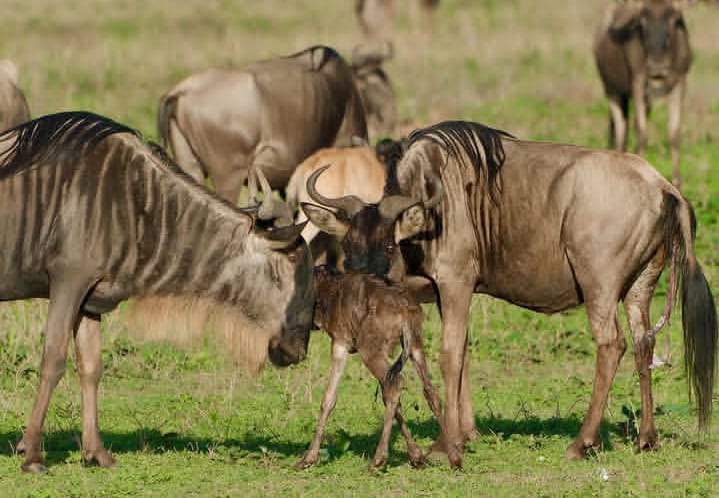
Tanzania is home to some of Africa's most diverse wildlife populations. On a Tanzania safari, you can expect to see the Big Five (lions, leopants, buffalo, elephants, and rhinoceros), along with giraffes, zebras, wildebeest, hyenas, cheetahs, and numerous antelope species. The Tarangire region is particularly known for its large elephant populations, while the Serengeti and Ngorongoro Crater offer exceptional opportunities to see predators and herbivores in their natural habitats. Bird enthusiasts will also find over 500 bird species throughout Tanzania's national parks.
The best time to visit Tanzania depends on what you want to experience. The dry season from June to October offers the best wildlife viewing, as animals congregate around water sources, making them easier to spot. December to February is another good period with less rainfall and excellent visibility. If you want to witness the Great Migration in the Serengeti, plan your visit for June to October when massive herds move through the plains. The wet season (November-May) is less popular for safaris but offers lush landscapes and fewer tourists.
A 6-day safari is an excellent duration for experiencing Tanzania's major wildlife destinations. This timeframe allows you to visit multiple parks such as Tarangire, the Serengeti, and Ngorongoro Crater without feeling rushed. Six days gives you sufficient time for multiple game drives in each location, increasing your chances of wildlife encounters and allowing you to experience the rhythm of safari life. Shorter safaris (3-4 days) are possible but limit your destinations, while longer trips (8+ days) provide deeper exploration and more relaxed pacing.
Pack neutral-colored, lightweight clothing in earth tones (khaki, tan, olive green) as bright colors can startle wildlife. Bring long-sleeved shirts and pants for sun protection and insect prevention, a warm fleece or jacket for early morning game drives, and a waterproof rain jacket for the wet season. Essential items include a wide-brimmed hat, sunglasses, high-SPF sunscreen, insect repellent, binoculars for wildlife viewing, a camera with extra batteries, and comfortable walking shoes. Don't forget personal medications, toiletries, and any necessary documents. Quick-dry fabrics are ideal for the safari environment.
Visa requirements for Tanzania depend on your nationality. Many countries can obtain a visa on arrival at Tanzania's international airports, while others must apply in advance through a Tanzanian embassy or online. Most visitors receive a 90-day tourist visa. However, visa policies can change, so it's essential to check the official Tanzanian government website or contact your nearest Tanzanian embassy well before your trip to confirm current requirements for your specific nationality.
Yellow fever vaccination is recommended for travelers to Tanzania and may be required depending on your departure country. Malaria prophylaxis is also strongly recommended, particularly for lower-altitude areas like Tarangire. Consult with a travel medicine clinic or your doctor at least 4-6 weeks before your trip to discuss vaccinations for diseases such as typhoid, hepatitis A and B, and tetanus. They can also advise on malaria prevention strategies and prescribe appropriate antimalarial medications based on your health profile and the specific regions you'll visit.
Tanzania is generally considered a safe destination for safari tourism. The national parks are well-established, professionally managed, and regularly patrolled by rangers. Safari operators employ experienced guides trained in wildlife safety and emergency protocols. Standard travel precautions apply—avoid displaying valuables, be cautious in urban areas, and follow your guide's instructions during game drives. The biggest risks are typically wildlife-related rather than security-related, which is why professional guides are essential. Travel insurance is highly recommended to cover any unexpected medical or travel disruptions.
Tanzania safari costs vary significantly based on accommodation quality, group size, and season. Budget safaris can range from $150-300 per person daily, mid-range options from $300-600 per person daily, and luxury safaris from $600-1500+ per person daily. A 6-day safari typically costs between $1,500-$9,000 per person depending on these factors. Many packages include accommodation, meals, park fees, and guides, but international flights, travel insurance, visas, and tips are usually additional expenses. Booking during shoulder seasons can offer better value than peak travel periods.
The Ngorongoro Crater is a UNESCO World Heritage Site and one of the world's largest intact calderas, located in northern Tanzania. It's a natural wonder featuring a crater floor with diverse ecosystems, from grasslands to forests and freshwater lakes. The crater is special for safari because it's home to an incredibly dense concentration of wildlife, including large populations of lions, buffalo, zebras, and wildebeest, all confined within the crater walls. This unique geography makes wildlife viewing exceptionally rewarding, as animals are concentrated in a relatively small area. The crater offers stunning panoramic views and a completely different safari experience compared to open plains.
A comprehensive Tanzania safari package typically includes accommodation at selected lodges or camps, all meals (breakfast, lunch, and dinner), park entrance fees, transportation in a private or shared 4x4 vehicle, and a professional English-speaking guide. Most packages also cover bottled water during game drives, airport transfers, and government taxes. However, international flights, travel insurance, visa fees, alcoholic beverages, tips for guides and staff, and optional activities are usually not included. Always review the specific inclusions and exclusions with your tour operator before booking to understand what is and isn't covered.
© 2026 SafariFind. All rights reserved.
