 1 / 91 / 9
Loading SafariFind...
1 / 9Tarangire National Park
Arusha
Meals: Dinner
Serengeti National Park
Serengeti National Park
Meals: Breakfast, Lunch, Dinner
Full Day Game Drive In Serengeti
Serengeti National Park
Meals: Breakfast, Lunch, Dinner
Serengeti National Park
Serengeti National Park
Meals: Breakfast, Lunch, Dinner
Serengeti National Park
Serengeti National Park
Meals: Breakfast, Lunch, Dinner
Ngorongoro Crater
Ngorongoro Crater
Meals: Breakfast
Year Round
Year-round
| Season | Solo traveler | 2 people | 3 – 4 people | 5 – 6 people | 7+ people | Child rate | Single suppl. |
|---|---|---|---|---|---|---|---|
Year Round Year-round | $7,540 | $2,920 | $4,520 | $4,270 | $4,020 | $3,520 | $1,510 |
Child rate applies to travelers under 12 years. Single supplement applies to solo travelers taking their own room.
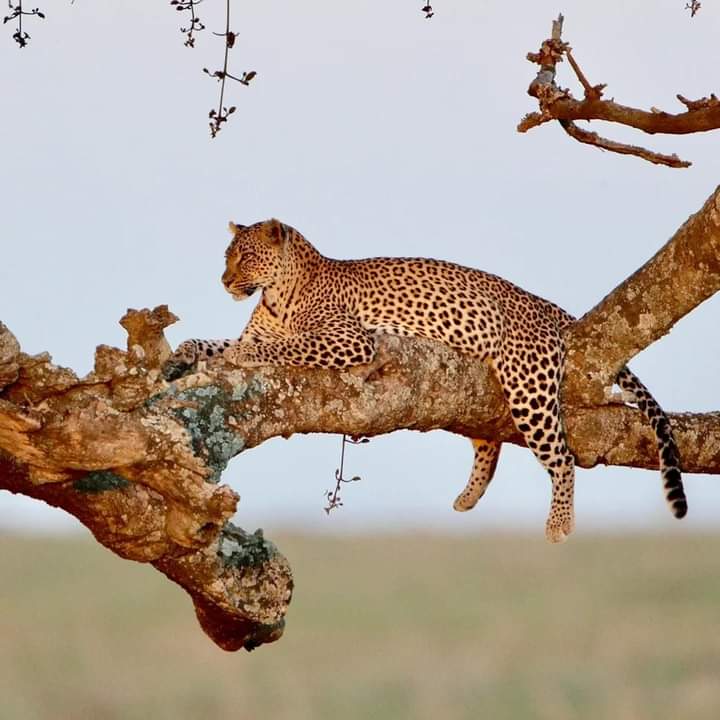
The Serengeti is home to an extraordinary array of wildlife, including the Big Five: lions, leopards, rhinoceroses, elephants, and African buffalo. You'll also encounter massive herds of wildebeest and zebras, giraffes, hyenas, and over 500 bird species. The park's vast ecosystem supports one of the highest concentrations of large mammals in Africa, making wildlife encounters frequent and varied throughout your game drives.
Tanzania offers excellent wildlife viewing year-round, but the dry seasons provide the best safari experience. The dry seasons run from June to October and January to February. During these periods, vegetation is sparse, animals congregate around water sources, and visibility is optimal for spotting predators and large herds. If you're interested in witnessing the Great Migration, the timing varies by location within the Serengeti, typically occurring between June and October as herds move north.
Yes, a 6-day safari is an ideal duration for seeing the Big Five and experiencing diverse ecosystems. By combining time in the Serengeti—one of Africa's premier wildlife destinations—with a visit to the Ngorongoro Crater, you maximize your chances of encountering lions, leopards, elephants, buffalo, and rhinoceroses. The extended timeframe allows for multiple game drives daily and exposure to different habitats, significantly increasing wildlife encounter opportunities compared to shorter safaris.
Expect to spend 3 to 5 hours daily in your safari vehicle, typically divided into a morning game drive and an afternoon game drive with a midday break at your lodge. This schedule allows you to experience the best wildlife activity periods—early morning and late afternoon when animals are most active—while providing time to rest, enjoy meals, and process the incredible experiences you've witnessed. The split sessions prevent driver and passenger fatigue while maximizing your safari experience.
Pack neutral-colored, lightweight clothing in earth tones (khaki, tan, olive) to blend with the landscape and avoid disturbing wildlife. Bring layers for early morning and evening game drives, which can be cool. Essential items include a wide-brimmed hat, high-SPF sunscreen, sunglasses, binoculars, a camera with a good zoom lens, and comfortable walking shoes. Include personal medications, insect repellent, and toiletries. Check current health advisories for recommended vaccinations before your trip and consult your healthcare provider about malaria prophylaxis.
Visa requirements for Tanzania depend on your nationality. Many countries' citizens can obtain a visa on arrival or apply for an e-visa online before traveling. It's essential to check the current requirements with the Tanzanian embassy or consulate for your country well in advance of your trip. Ensure your passport is valid for at least six months beyond your travel dates. Additionally, you'll need to check current health requirements, including any recommended or mandatory vaccinations for entry.
Both destinations offer exceptional wildlife viewing but provide contrasting experiences. The Serengeti is vast—approximately 14,750 square kilometers—featuring expansive plains, diverse habitats, and the famous Great Migration. The Ngorongoro Crater, a UNESCO World Heritage Site, is a self-contained volcanic caldera that cradles one of Africa's highest concentrations of wildlife within a much smaller area. The Crater offers intimate wildlife encounters in a naturally enclosed ecosystem, while the Serengeti provides scale and migration spectacles. Combining both destinations in a single safari gives you the complete Tanzanian wildlife experience.
Absolutely. Tanzania's most iconic wildlife destinations—the Serengeti and Ngorongoro Crater—are perfect for first-time safari experiences. These ecosystems offer frequent and reliable wildlife encounters, expert English-speaking guides who can explain animal behavior and ecology, and well-established safari infrastructure. A 6-day itinerary provides enough time to adjust to the safari rhythm, understand wildlife patterns, and develop appreciation for the landscape without feeling rushed. The combination of iconic destinations, manageable pacing, and quality guidance makes Tanzania an ideal introduction to African safari travel.
Comprehensive safari packages typically include all national park entrance fees, accommodation throughout your journey, all meals (breakfast, lunch, and dinner), use of a private 4x4 safari vehicle, services of a professional English-speaking guide, bottled water during game drives, and airport transfers. Most packages also cover government taxes and VAT. However, items usually not included are international airfare, travel insurance, visa fees, alcoholic beverages, tips and gratuities, personal expenses, and optional activities. Always review your specific package details and confirm what's covered before booking.
A 6-day safari is considered ideal for experiencing Tanzania's most iconic destinations comprehensively. This duration allows you to spend multiple days in the Serengeti—enough time to understand its rhythms and encounter diverse wildlife—while also visiting the Ngorongoro Crater. Shorter safaris (3-4 days) can work but offer less flexibility and fewer wildlife encounters. Longer safaris (8+ days) allow for additional destinations or deeper exploration, but 6 days strikes an excellent balance between immersion, comfort, and practical travel considerations for most safari travelers.
© 2026 SafariFind. All rights reserved.
