 1 / 8
1 / 8 6 daysprivate
6-Day Ultimate Northern Tanzania Wildlife Safari
byPANGOLIN TRAVELERS EXPEDITION
Highlights
- Visit Tarangire National Park, famous for large elephant herds and iconic baobab trees
Loading SafariFind...
1 / 8byPANGOLIN TRAVELERS EXPEDITION
Airport Pickup – Arusha
Arusha
Meals: Dinner
Arusha – Tarangire National Park
Tarangire National Park
Meals: Breakfast, Lunch, Dinner
Karatu – Serengeti National Park
Serengeti National Park
Meals: Breakfast, Lunch, Dinner
Serengeti National Park – Ngorongoro Highlands
Ngorongoro Crater
Meals: Breakfast, Lunch, Dinner
Ngorongoro Crater – Karatu
Ngorongoro Crater
Meals: Breakfast, Lunch, Dinner
Karatu – Lake Manyara National Park – Arusha
Lake Manyara National Park
Meals: Breakfast, Lunch
Year Round
Year-round
| Season | Solo traveler | 2 people | 3 – 4 people | 5 – 6 people | 7+ people | Child rate | Single suppl. |
|---|---|---|---|---|---|---|---|
Year Round Year-round | $3,910 | $2,610 | $2,350 | $2,220 | $2,090 | $1,820 | $780 |
Child rate applies to travelers under 10 years. Single supplement applies to solo travelers taking their own room.
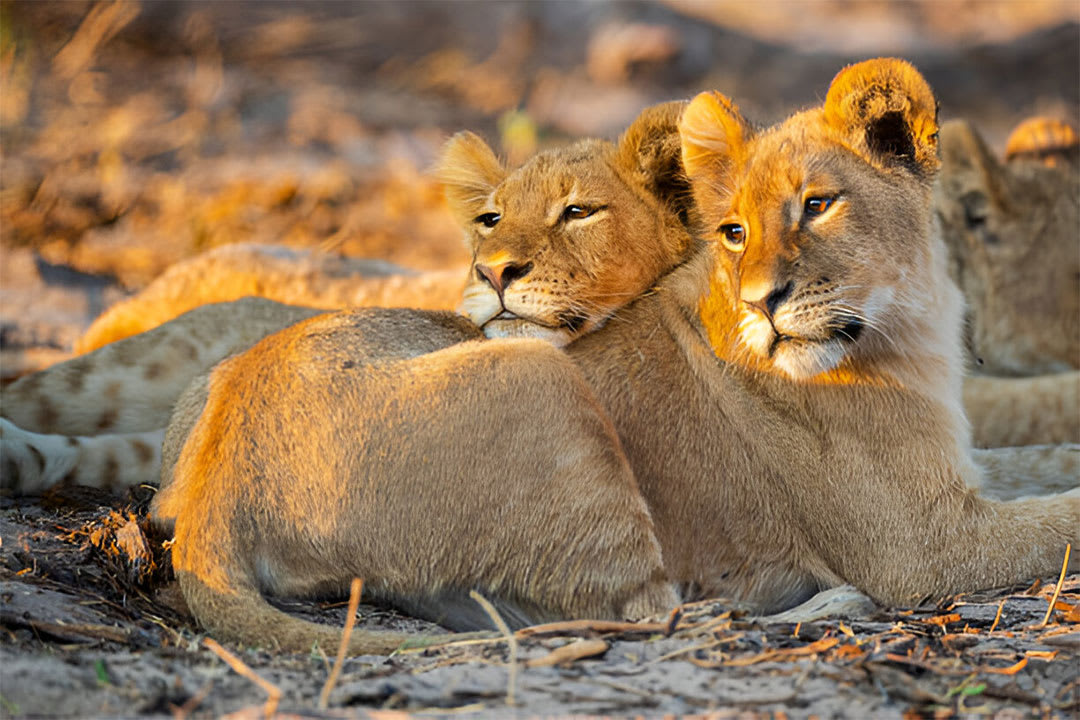
Tanzania's northern safari circuit is home to an incredible diversity of wildlife. You can expect to see large herds of elephants, particularly in Tarangire National Park, along with lions, leopards, buffalo, giraffes, zebras, wildebeest, and various antelope species. The Ngorongoro Crater is famous for its dense concentration of animals in a compact area, while the Serengeti offers expansive plains where you can observe predator-prey interactions. Birdwatchers will also find over 500 bird species throughout these parks, making Tanzania one of Africa's premier wildlife destinations.
The best time to visit Tanzania depends on what you want to experience. The dry seasons—June to October and January to February—offer the best wildlife viewing as animals gather around water sources, making them easier to spot. June to October is considered peak season with excellent game viewing and comfortable temperatures. The wet season (November to May) brings lush landscapes and is ideal for birdwatching, plus it's less crowded and more affordable. For the Great Migration in the Serengeti, timing varies: the migration is generally in the central and southern Serengeti from December to March, and in the northern Serengeti from July to October.
A 6-day safari is an ideal length for exploring Northern Tanzania's major highlights. This duration allows you to spend meaningful time in Tarangire National Park, the Serengeti, the Ngorongoro Crater, and Lake Manyara without feeling rushed. Six days provides enough time for multiple game drives in each location, increasing your chances of wildlife encounters and allowing you to experience the different ecosystems. While shorter 3-4 day safaris are possible, they feel more condensed. Longer safaris of 7-10 days offer deeper exploration and more relaxation time between drives.
For a Tanzania safari, pack neutral-colored clothing in earth tones (khaki, beige, green, brown) to blend into the landscape and avoid disturbing wildlife. Bring lightweight, breathable fabrics for hot days and a warm layer for early morning and evening game drives when temperatures drop. Essential items include a wide-brimmed hat, high-SPF sunscreen, sunglasses, and comfortable walking shoes. Pack binoculars for wildlife viewing and a good camera with extra batteries and memory cards. Bring insect repellent, particularly for malaria prevention, and any personal medications. A small daypack is useful for carrying items during game drives. Don't forget a reusable water bottle to stay hydrated throughout the day.
Yes, malaria is present in Tanzania, particularly in lower-altitude areas like Lake Manyara and Tarangire. The risk is generally lower in higher-altitude regions like the Ngorongoro Highlands and parts of the Serengeti. It's essential to consult with a travel health clinic 4-6 weeks before your trip to discuss malaria prophylaxis options, as several effective medications are available. In addition to medication, protect yourself by using insect repellent containing DEET, wearing long sleeves and pants during dawn and dusk when mosquitoes are most active, and sleeping under mosquito nets. Your tour operator will typically provide mosquito nets at accommodations, but it's wise to confirm this in advance.
The Ngorongoro Crater is one of Africa's most spectacular natural wonders and a UNESCO World Heritage Site. It's the world's largest intact volcanic caldera, with a crater floor spanning approximately 260 square kilometers. What makes it particularly special is the extraordinary concentration of wildlife within this contained ecosystem—you'll find lions, elephants, buffalo, zebras, wildebeest, and numerous other species all living together in this natural amphitheater. The crater's unique geography creates a self-contained environment where animals have limited migration routes, making wildlife viewing exceptionally rewarding. The stunning landscape, with its steep crater walls and lush floor, also provides unforgettable photo opportunities and a sense of being in a truly primordial landscape.
Game drives in Tanzania typically last 3-5 hours, depending on the park and the day's itinerary. Morning drives usually start before sunrise (around 5:30-6:00 AM) to catch animals during their most active period and last until mid-morning. Afternoon drives typically begin in the late afternoon (around 3:00-4:00 PM) and continue until sunset. Some parks offer full-day drives with a packed lunch break. The length can vary based on wildlife sightings—if your guide spots interesting animals, you may spend more time in one area. Breaks are built in for rest, refreshments, and meals. Your professional driver/guide will adjust the pace and duration based on conditions and wildlife activity to maximize your viewing experience.
Visa requirements for Tanzania depend on your nationality. Most visitors require a visa, which can be obtained on arrival at Julius Nyerere International Airport in Dar es Salaam or Kilimanjaro International Airport, or you can apply in advance through a Tanzanian embassy or online. The tourist visa typically costs around USD 50-100 and is valid for 90 days. You'll need a passport valid for at least 6 months beyond your travel dates. Some nationalities may be exempt from visa requirements—check the official Tanzanian immigration website or your country's embassy for current requirements. It's advisable to verify requirements well before your trip, as regulations can change. Your tour operator can also provide guidance on visa procedures.
A 6-day Northern Tanzania safari typically includes comfortable mid-range lodges that balance quality with value. These lodges are strategically located near the parks you'll visit—expect accommodations in or near Tarangire, the Serengeti, the Ngorongoro Highlands (Karatu area), and Lake Manyara. Mid-range lodges generally feature private or shared rooms with en-suite bathrooms, electricity, and basic amenities. Many offer scenic locations with views of the surrounding landscape. Lodges typically provide meals and some drinks as specified in your package. While not luxury properties, they offer comfortable beds, hot water, and a welcoming atmosphere. Note that accommodation before your safari starts and after it ends are usually not included, so plan accordingly if you need extra nights in Arusha or elsewhere.
Tipping is customary in Tanzania and is an important part of your guide and staff's income. A general guideline is to tip approximately USD 10 per person per day for your professional driver/guide, which would total around USD 60 for a 6-day safari. You may also want to tip lodge staff, such as housekeepers and servers, with smaller amounts (USD 1-2 per day). Tips are typically given in cash (USD is widely accepted and preferred). While tipping is not mandatory, it's greatly appreciated and reflects satisfaction with the service. If your guide provides exceptional service or goes above and beyond, you may choose to tip more. Discuss tipping expectations with your tour operator before departure to ensure you have appropriate cash on hand.
 PANGOLIN TRAVELERS EXPEDITIONArusha, Tanzania
© 2026 SafariFind. All rights reserved.