 1 / 5
1 / 5 6 daysprivate
6-Day Umbwe Route Summit Trek
Highlights
- Conquer the Umbwe Route, Kilimanjaro’s steepest and most challenging trail
Loading SafariFind...
1 / 5Umbwe Gate (1,600 m) to Umbwe Cave Camp (2,850 m)
Kilimanjaro National Park
Meals: Lunch, Dinner
Umbwe Cave Camp to Barranco Camp (3,950 m)
Kilimanjaro National Park
Meals: Breakfast, Lunch, Dinner
Barranco Camp to Karanga Camp (4,035 m)
Kilimanjaro National Park
Meals: Breakfast, Lunch, Dinner
Karanga Camp to Barafu Camp (4,640 m)
Kilimanjaro National Park
Meals: Breakfast, Lunch, Dinner
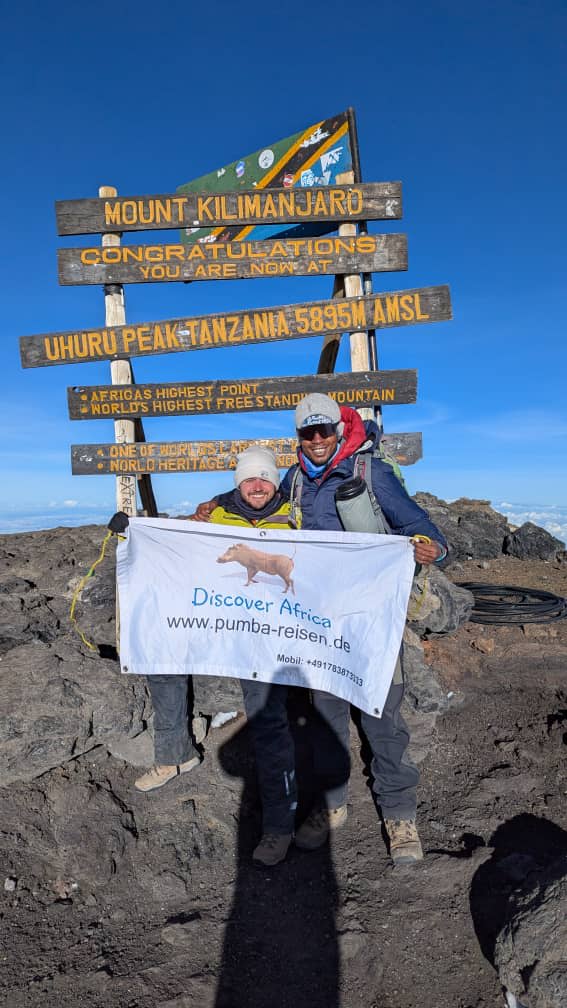
Barafu Camp to Uhuru Peak (5,895 m) – Descend to Mweka Camp (3,100 m)
Uhuru Peak
Meals: Breakfast, Lunch, Dinner
Mweka Camp to Mweka Gate (1,640 m)
Mweka Gate
Meals: Breakfast
Year Round
Year-round
| Season | 2 people |
|---|---|
Year Round Year-round | $2,830 |
The Umbwe Route is Kilimanjaro's steepest and most direct climbing route to the summit, making it one of the most challenging paths up Africa's highest mountain. Unlike the more popular routes, Umbwe offers a less-crowded experience with dramatic scenery, including passage through lush rainforest, steep ridges, alpine desert terrain, and the famous Barranco Wall. The route is designed for experienced and physically fit trekkers who want a rewarding and authentic mountain challenge, culminating at Uhuru Peak at 5,895 meters (19,341 feet).
No, the Umbwe Route is not recommended for beginners. It is specifically designed for experienced and physically fit trekkers due to its steep gradient and challenging terrain. The route's direct nature means less time for acclimatization compared to longer routes, which increases the risk of altitude sickness for those without mountain trekking experience. If you're new to high-altitude trekking, consider starting with a longer route like the Marangu or Machame Route, which allow more time for your body to adjust to the altitude.
The Umbwe Route typically takes 6 days to complete, making it one of the fastest routes up Mount Kilimanjaro. This shorter timeframe is due to the route's direct and steep nature. However, the compressed schedule means less time for acclimatization at different altitudes, so it's crucial that you're in excellent physical condition and have prior high-altitude trekking experience before attempting this route.
The Umbwe Route takes you through diverse ecosystems and stunning landscapes. You'll trek through lush rainforest in the lower elevations, which is home to various bird species and forest mammals. As you ascend, you'll encounter dramatic ridges offering panoramic views, followed by the alpine desert zone with its sparse vegetation and volcanic rock formations. One of the most iconic features is the Barranco Wall, a steep cliff face that provides both a thrilling climbing challenge and spectacular views. The route culminates at Uhuru Peak, where you'll witness the snow-capped summit and breathtaking views across the African landscape.
During your Kilimanjaro trek, you'll receive three meals daily—breakfast, lunch, and dinner—prepared by a dedicated cook who accompanies the expedition. This ensures you have nutritious, energy-sustaining meals at high altitude. Additionally, you'll have access to bottled water throughout your trek to keep you hydrated. The expedition includes professional English-speaking mountain guides who are experienced in high-altitude climbing and altitude sickness management, as well as porters who carry the heavy equipment, allowing you to trek with a lighter load and conserve energy for the climb.
The best times to climb Mount Kilimanjaro are during the dry seasons: January to March (short dry season) and June to October (long dry season). July to September is considered the peak climbing season due to the most stable weather conditions and clearest skies, though it's also the busiest period. January to March offers slightly warmer temperatures and fewer crowds while still providing good climbing conditions. Avoid the rainy seasons (April to May and November to December) as the terrain becomes muddy and slippery, increasing the difficulty and risk of accidents. Weather conditions at altitude can be unpredictable year-round, so proper preparation is essential regardless of season.
Packing for Kilimanjaro requires careful planning due to the extreme altitude and changing weather conditions. Essential items include: layered clothing (thermal base layers, fleece, and a waterproof jacket), warm hat, gloves, and thick socks for high-altitude cold; sturdy, well-broken-in hiking boots with good ankle support; a sleeping bag rated for sub-zero temperatures; a headlamp or flashlight; sunscreen and sunglasses for UV protection at altitude; a daypack (20-30 liters); toiletries and personal medications; and any necessary altitude sickness medication (consult your doctor). Leave behind heavy items as porters have weight limits, and remember that what you don't pack, porters won't have to carry. Check with your trekking operator for a detailed packing list specific to the route and season.
Altitude sickness occurs when your body struggles to adapt to lower oxygen levels at high elevations. Symptoms include headache, nausea, fatigue, and shortness of breath. On Kilimanjaro, prevention is key: ascend gradually (though the Umbwe Route is steep, your guides will manage the pace), stay hydrated by drinking plenty of water, avoid alcohol, eat light but nutritious meals, and get adequate sleep. Acclimatization is challenging on the faster Umbwe Route, so consult your doctor before trekking—they may recommend altitude sickness medication like acetazolamide (Diamox). Listen to your guide's advice, communicate any symptoms immediately, and be prepared to descend if symptoms worsen. Your professional guides are trained in altitude sickness management and will monitor your condition throughout the trek.
Visa requirements depend on your nationality and Tanzanian entry regulations, which change periodically. Most visitors need a visa, which can be obtained on arrival or in advance through the Tanzanian embassy. Check the official Tanzanian immigration website or your nearest embassy for current requirements based on your passport. Regarding vaccinations, while not always mandatory, several vaccines are strongly recommended before traveling to Tanzania, including yellow fever, typhoid, and routine immunizations. Malaria prophylaxis may also be recommended depending on the areas you visit before or after your trek. Consult with a travel medicine clinic or your doctor at least 4-6 weeks before your trip for personalized health advice and vaccinations specific to Tanzania.
Success rates on the Umbwe Route are typically lower than on longer routes, ranging from 60-75%, compared to 85-90% on routes like the Machame or Marangu. This is primarily due to the route's steep gradient and limited acclimatization time, which increases the risk of altitude sickness and physical exhaustion. Success depends heavily on your fitness level, altitude experience, acclimatization ability, and how well you listen to your guides. Trekkers in excellent physical condition with prior high-altitude experience have significantly better success rates. Your professional guide will assess your condition daily and make recommendations to maximize your chances of reaching Uhuru Peak safely. Remember that turning back is sometimes the wisest decision to protect your health.
 Pumba ReisenArusha, Tanzania
© 2026 SafariFind. All rights reserved.