 1 / 4
1 / 4 6 daysprivate
6-Day Umbwe Route Trek – Kilimanjaro Climb
Highlights
- Kilimanjaro’s steepest and most challenging route
Loading SafariFind...
1 / 4Umbwe Gate to Umbwe Cave Camp
Kilimanjaro National Park
Meals: Dinner
Umbwe Cave Camp to Barranco Camp
Kilimanjaro National Park
Meals: Breakfast, Lunch, Dinner
Barranco Camp to Karanga Camp
Kilimanjaro National Park
Meals: Breakfast, Lunch, Dinner
Karanga Camp to Barafu Camp
Kilimanjaro National Park
Meals: Breakfast, Lunch, Dinner
Summit Day: Uhuru Peak & Descent to Mweka Camp
Uhuru Peak
Meals: Breakfast, Lunch, Dinner
Mweka Camp to Mweka Gate
Mweka Gate
Meals: Breakfast
Year Round
Year-round
| Season | 2 people |
|---|---|
Year Round Year-round | $2,310 |
The Umbwe Route is the most challenging and steepest trekking route on Mount Kilimanjaro, known for its rapid ascent and dramatic landscapes. It approaches the mountain from the southern side, passing through dense rainforest, rugged ridges, and alpine desert terrain before joining the Machame Route at Barranco Camp. The route is recommended for experienced hikers with good physical fitness and previous trekking experience, as it offers a more demanding climb than other Kilimanjaro routes but rewards trekkers with breathtaking scenery and significantly fewer crowds.
The Umbwe Route is considered the most challenging route on Mount Kilimanjaro due to its steep gradient and rapid ascent profile. It requires excellent physical fitness, strong hiking experience, and previous trekking background. The route's difficulty stems from its relentless uphill sections through varied terrain—rainforest, ridges, and alpine desert—with less time for acclimatization compared to longer routes. While more demanding than alternatives like the Marangu or Machame routes, experienced trekkers find the challenge rewarding for the solitude, dramatic landscapes, and sense of achievement.
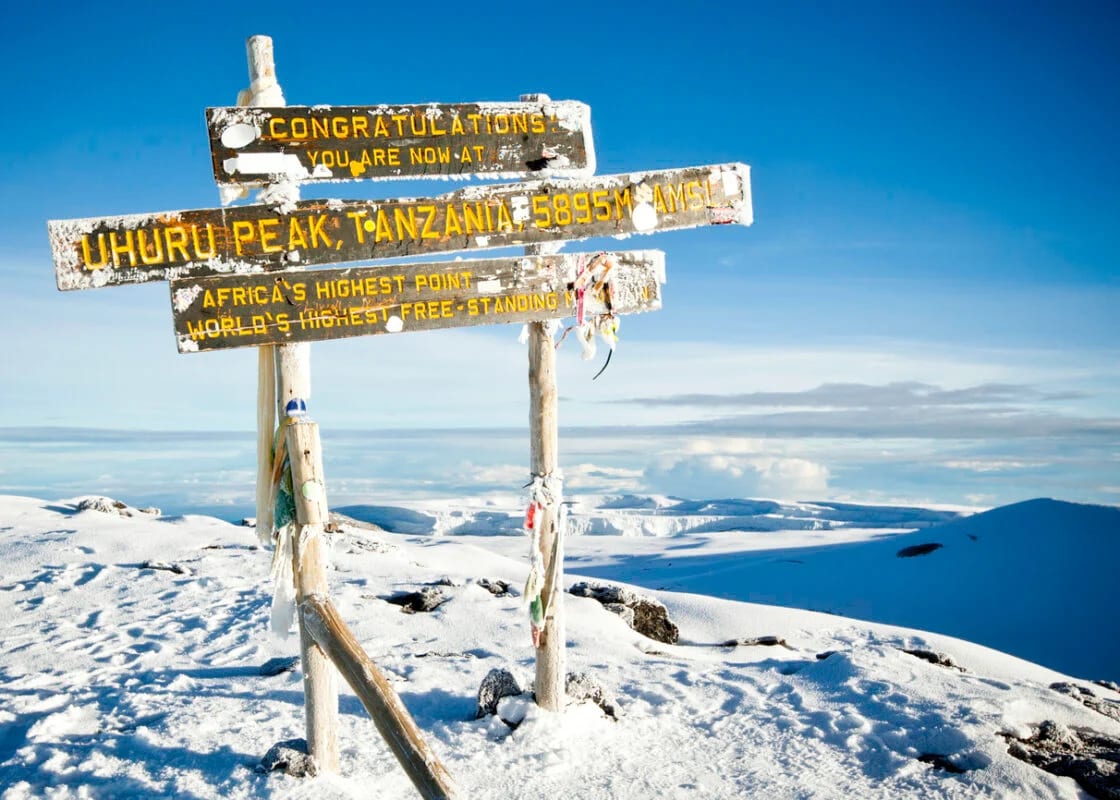
The Umbwe Route culminates at Uhuru Peak, which stands at 5,895 meters (19,341 feet)—the highest point in Africa. The route's rapid ascent means trekkers gain significant elevation over a compressed timeframe, typically ascending from the starting point to the summit in just 6 days. This steep elevation profile is what makes the Umbwe Route particularly challenging and why it's essential to be in excellent physical condition and have previous high-altitude trekking experience.
The best times to climb Mount Kilimanjaro are during the dry seasons: January to March (short dry season) and June to October (long dry season). These periods offer clearer skies, better visibility for summit views, and more stable weather conditions. The Umbwe Route, being steep and exposed, is particularly sensitive to weather, so climbing during these windows maximizes your chances of favorable conditions and successful summit attempts. Avoid the rainy seasons (April-May and November-December) when trails become slippery and visibility diminishes significantly.
For a 6-day Kilimanjaro trek, pack personal trekking gear including sturdy, broken-in hiking boots, moisture-wicking clothing layers (the mountain experiences significant temperature variations), a warm sleeping bag rated for sub-zero temperatures, and a daypack for daily essentials. Essential items include sun protection (sunscreen, hat, sunglasses), a headlamp or flashlight, water bottles or hydration system, snacks, toiletries, and any personal medications. The trek operator typically provides camping equipment, mountain tents, sleeping mattresses, meals, and drinking water, so focus your packing on personal gear, clothing, and comfort items. Check with your operator for a detailed packing list specific to the season you're climbing.
Yes, travel insurance is highly recommended for climbing Mount Kilimanjaro. Your insurance should cover high-altitude trekking, emergency evacuation (which can be extremely expensive on the mountain), medical emergencies, trip cancellation, and lost baggage. Standard travel insurance often excludes high-altitude activities, so you'll need specialized trekking or mountaineering coverage. Given the physical demands and remote nature of the climb, comprehensive insurance provides critical protection and peace of mind. Check with your insurance provider to ensure your policy covers mountaineering activities above 4,500 meters.
All meals during the 6-day trek are provided and prepared by a professional cook, including breakfast, lunch, and dinner designed to support your energy needs at altitude. Drinking water is also supplied throughout the trek. The trek operator includes a cook and porters as part of the team to handle meal preparation and logistics. While the provided meals are nutritious and substantial, many trekkers bring additional snacks (energy bars, nuts, chocolate) for personal preference and extra energy during challenging sections. It's essential to stay well-hydrated at altitude, so take advantage of the provided water and drink consistently throughout each day.
The Umbwe Route trek includes a comprehensive support team: professional mountain guides who lead and manage the climb, assistant guides who provide additional support and safety oversight, porters who carry camping equipment and supplies, and a cook who prepares meals. This team structure ensures safety, proper acclimatization management, and a well-organized trekking experience. The guides are experienced in high-altitude mountaineering and familiar with the specific challenges of the Umbwe Route, while porters and support staff handle logistics so you can focus on the climb. Tipping guides, porters, and the cook is customary and appreciated, though not included in the package price.
The 6-day Umbwe Route package includes Kilimanjaro National Park entrance fees, professional mountain guides and assistant guides, porters and cook services, rescue fees, all camping equipment (mountain tents and sleeping mattresses), all meals during the trek, drinking water, transport to and from the mountain gate, government taxes, and permits. The package also includes a summit certificate upon successful completion. Personal items not included are international flights, visa fees, travel insurance, personal trekking gear (boots, sleeping bag, clothing), tips for guides and support staff, personal expenses, and alcoholic or soft drinks.
Yes, previous trekking and mountaineering experience is strongly recommended for the Umbwe Route. This is the most challenging route on Kilimanjaro, suited for experienced hikers with excellent physical fitness and a background in high-altitude trekking. If you're new to mountaineering or high-altitude climbing, consider gaining experience on less demanding routes first, or ensure you're in exceptional physical condition with a solid foundation of multi-day trekking experience. The rapid ascent and steep terrain of the Umbwe Route leave less margin for acclimatization issues, making prior experience valuable for managing altitude sickness and physical demands.
 Elia SafarisArusha, Tanzania5.0(8 reviews)
© 2026 SafariFind. All rights reserved.