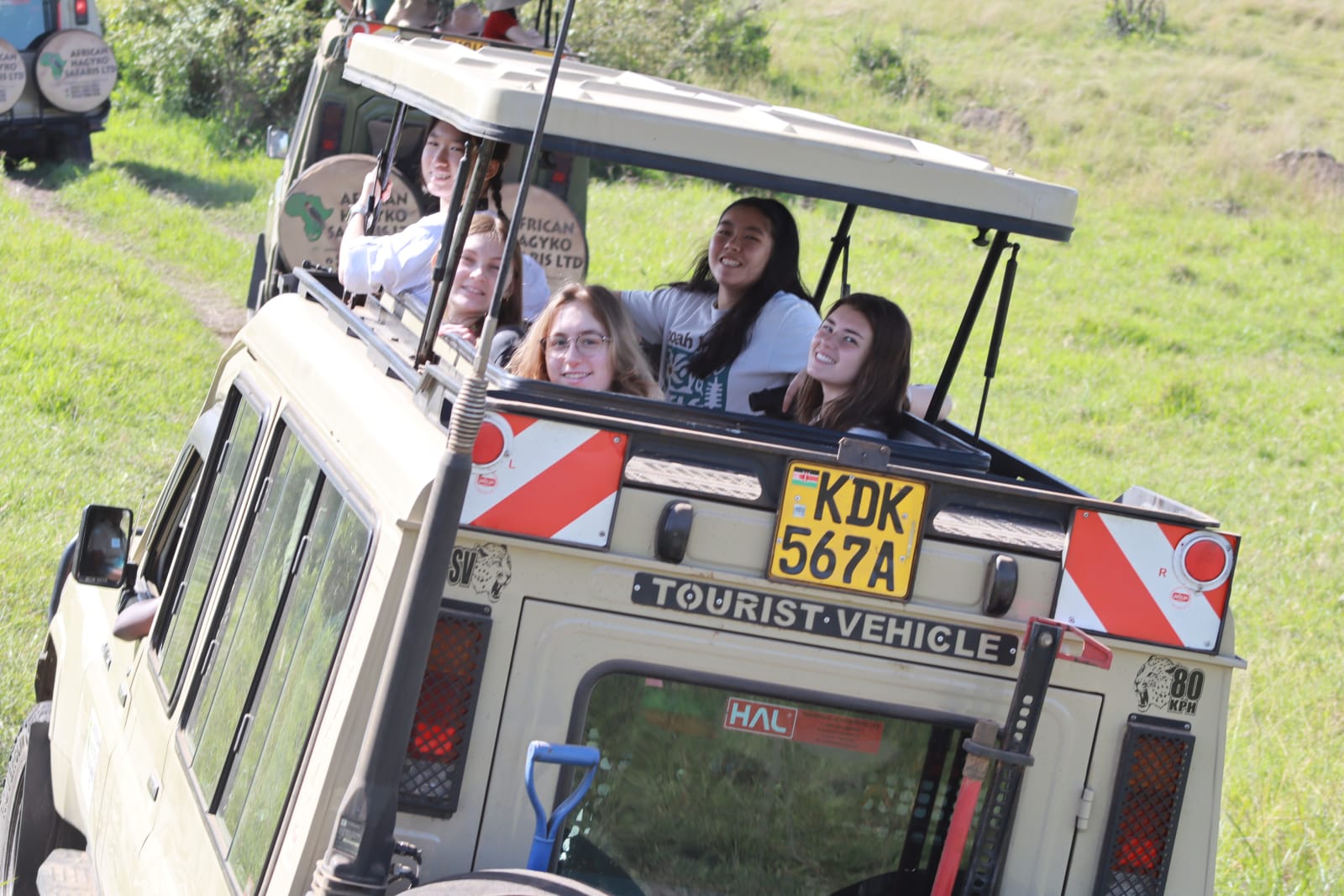
7 daysprivate
7-Day Amboseli NP, L Naivasha, L Nakuru NP & Masai Mara
Highlights
- Amboseli National Park
- Lake Naivasha
Loading SafariFind...
Nairobi to Amboseli National Park
Amboseli National Park
Meals: Lunch, Dinner
Amboseli National Park
Amboseli National Park
Meals: Breakfast, Lunch, Dinner
Amboseli National Park to Lake Naivasha
Lake Naivasha
Meals: Breakfast, Lunch, Dinner
Lake Naivasha to Masai Mara National Reserve
Masai Mara National Reserve
Meals: Breakfast, Lunch, Dinner
Masai Mara National Reserve
Masai Mara National Reserve
Meals: Breakfast, Lunch, Dinner
Masai Mara National Reserve to Lake Nakuru National Park
Lake Nakuru National Park
Meals: Breakfast, Lunch, Dinner
Lake Nakuru National Park to Nairobi
Nairobi
Meals: Breakfast
Peak season
Jul 6 – Aug 31
Peak season
Sep 1 – Sep 30
Peak season
Oct 1 – Oct 31
Green season
Nov 1 – Dec 23
| Season | 2 people |
|---|---|
Peak season Jul 6 – Aug 31 | $3,200 |
Peak season Sep 1 – Sep 30 | $3,190 |
Peak season Oct 1 – Oct 31 | $3,190 |
Green season Nov 1 – Dec 23 |
The Masai Mara is renowned for its exceptional wildlife viewing opportunities, particularly for Big Five encounters including lions, elephants, buffalo, leopards, and rhinoceros. You'll also spot zebras, wildebeest, giraffes, hyenas, cheetahs, and numerous bird species. The reserve's diverse ecosystem supports over 450 bird species and large predator populations, making it one of Africa's premier safari destinations. The best wildlife viewing typically occurs during game drives in early morning and late afternoon when animals are most active.
The best time to visit Amboseli National Park is during the dry seasons: June to October and January to February. During these periods, wildlife congregates around water sources, making animals easier to spot. The weather is clearer, offering better views of Mount Kilimanjaro, which is a iconic feature of the park. The wet season (November to May) sees fewer tourists and lush landscapes, but animal visibility decreases. Early morning game drives provide the most reliable elephant sightings, as Amboseli is famous for its large elephant herds.
Lake Naivasha offers a unique safari experience distinct from traditional game drives. This freshwater lake is known for its abundant birdlife, including African fish eagles, cormorants, and herons, making it a paradise for birdwatchers. The lake also supports populations of hippos and Rothschild's giraffes on the surrounding shores. Many visitors enjoy boat safaris on the lake, which provide intimate wildlife encounters in a peaceful setting. The lakeside landscape offers scenic beauty and a relaxing contrast to the more intense game drive experiences in other reserves.
Yes, Lake Nakuru National Park is particularly notable for its rhino population. The park has been successful in rhino conservation efforts and hosts both black and white rhinoceros. Beyond rhinos, Lake Nakuru is famous for its historical flamingo populations, though flamingo numbers fluctuate based on water alkalinity and food availability. The park also offers excellent opportunities to see lions, leopards, buffaloes, and various antelope species. The combination of lake scenery, diverse wildlife, and successful conservation initiatives makes it a valuable stop on any Kenya safari itinerary.
A 7-day safari is considered an ideal duration for experiencing Kenya's diverse landscapes and wildlife. This timeframe allows you to visit multiple destinations—such as Amboseli, Lake Naivasha, Lake Nakuru, and the Masai Mara—without feeling rushed. Each location requires at least 1-2 days to fully appreciate the wildlife and scenery. Shorter 3-4 day safaris are possible but limit your destination options, while longer 10+ day safaris allow for deeper exploration and increased wildlife encounter opportunities. Seven days provides an excellent balance between comprehensive wildlife viewing and practical travel logistics.
Essential safari packing includes lightweight, neutral-colored clothing in khaki, beige, and earth tones to blend with the environment and avoid disturbing wildlife. Bring layers as mornings and evenings can be cool, especially at higher elevations. Pack a wide-brimmed hat, sunglasses, high-SPF sunscreen, and insect repellent for malaria prevention. Comfortable walking shoes and binoculars are important for game drives and nature walks. Don't forget medications, a reusable water bottle (drinking water is typically provided), a camera with extra batteries, and any personal toiletries. Check weather forecasts for your specific travel dates, as conditions vary between destinations and seasons.
Visa requirements for Kenya depend on your nationality. Many countries' citizens can obtain an e-visa online before travel or a visa on arrival at Jomo Kenyatta International Airport. However, requirements vary significantly by country. It's essential to check with the Kenyan immigration authority or your nearest Kenyan embassy well in advance of your trip. You'll also need a passport valid for at least six months beyond your travel dates. Additionally, consult your healthcare provider about recommended vaccinations, particularly yellow fever and malaria prophylaxis, depending on your health profile and the regions you'll visit.
A 7-day Kenya safari cost varies widely depending on accommodation quality, season, and what's included. Budget safaris may range from $1,500-$3,000 per person, mid-range options typically fall between $3,000-$6,000, while luxury safaris can exceed $10,000 per person. Most safari packages include accommodations, guided game drives, and professional driver-guides, but international and domestic flights are typically additional costs. Gratuities and tips are also usually excluded. Traveling during shoulder seasons (March-May or November) often offers better rates than peak season (July-October). Request detailed quotes that clearly outline what's included and excluded to compare accurately.
The Great Migration is one of the world's most spectacular natural events, involving millions of wildebeest, zebras, and gazelles moving between Tanzania's Serengeti and Kenya's Masai Mara in search of fresh grazing lands. The migration is driven by seasonal rainfall patterns and follows a roughly circular route. In the Masai Mara, the migration typically arrives between July and October, with the most dramatic river crossings occurring in August and September. This period offers unparalleled wildlife viewing opportunities, though it's also peak tourist season. The migration's timing can vary by a few weeks annually depending on rainfall patterns, so checking recent reports before booking is advisable.
Yes, professional guides are essential for a safe and enriching Kenya safari experience. Knowledgeable guides possess expertise in wildlife behavior, ecology, and park regulations that significantly enhance your experience. They know where to find specific animals, understand animal behavior patterns, and can explain the ecosystem's complexities. English-speaking guides ensure clear communication and better interpretation of what you're observing. Guides also prioritize safety by maintaining appropriate distances from wildlife and navigating terrain skillfully. Self-driving safaris are generally not permitted in major reserves like Masai Mara, making professional guides not just beneficial but often mandatory for accessing the best safari experiences.
 African Hagyko SafarisNairobi, Kenya5.0(75 reviews)
© 2026 SafariFind. All rights reserved.
| $2,900 |