 1 / 91 / 9
Loading SafariFind...
1 / 9Arrival in Arusha
Arusha
Meals: Breakfast
Arusha to Tarangire National Park
Karatu
Meals: Breakfast, Lunch, Dinner
Serengeti National Park (Central)
Serengeti National Park
Meals: Breakfast, Lunch, Dinner
Central Serengeti to Ndutu Area Following the Migration
Serengeti National Park
Meals: Breakfast, Lunch, Dinner
Ndutu Area Following the Migration
Serengeti National Park
Meals: Breakfast, Lunch, Dinner
Ndutu to Ngorongoro Crater
Karatu
Meals: Breakfast, Lunch, Dinner
Lake Manyara National Park - Arusha(Departure)
Arusha
Meals: Breakfast
Year Round
Year-round
| Season | Solo traveler | 2 people | 3 – 4 people | 5 – 6 people | 7+ people | Child rate | Single suppl. |
|---|---|---|---|---|---|---|---|
Year Round Year-round | $4,400 | $2,940 | $2,640 | $2,500 | $2,350 | $2,050 | $880 |
Child rate applies to travelers under 12 years. Single supplement applies to solo travelers taking their own room.
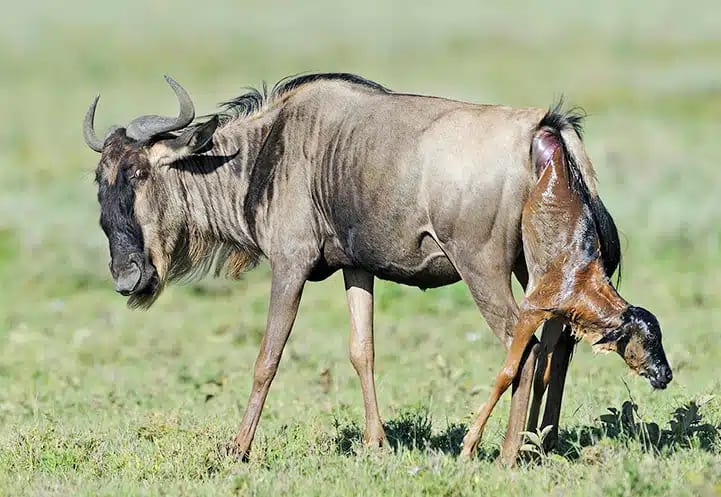
The Ndutu calving season, which runs from January to March, is one of Africa's most dramatic wildlife spectacles. During this period, you can witness hundreds of wildebeest calves being born each day on the fertile plains. The abundance of newborn calves attracts major predators, so you'll have excellent opportunities to see lions, cheetahs, hyenas, and other carnivores in action. You'll also encounter large herds of zebras, gazelles, and various antelope species that follow the migration. The concentration of wildlife during calving season makes this one of the best times for predator-prey interactions and dramatic game viewing in Tanzania.
The Great Migration is a year-round phenomenon, but the timing varies by region. The southern Serengeti and Ndutu area experience the calving season from January to March, when massive herds gather on the nutrient-rich plains. This is the best time to witness newborn calves and intense predator activity. The migration then moves north to the central and northern Serengeti from April onwards. If you're specifically interested in the calving phase and newborn animals, January to March is ideal. However, each season offers different advantages, so your choice depends on which aspect of the migration you want to experience.
A comprehensive Tanzania safari package typically includes all national park entrance fees, accommodation throughout your journey, three meals daily (breakfast, lunch, and dinner), a private 4x4 safari vehicle for game drives, a professional English-speaking guide, bottled water during game drives, and airport transfers. Government taxes and VAT are also usually included. However, exclusions typically cover international airfare, travel insurance, visa fees, alcoholic beverages, tips and gratuities, personal expenses, and optional activities. It's important to review what's included and excluded with your tour operator to budget accordingly for extras like drinks, tips, and any activities you want to add.
A 7-day safari is considered an ideal duration for experiencing Tanzania's major wildlife destinations comprehensively. This timeframe allows you to visit multiple parks and regions—such as Tarangire, the Ngorongoro Crater, Lake Manyara, and the Ndutu plains—without feeling rushed. Seven days provides enough time for meaningful game drives, wildlife encounters, and travel between locations. Shorter safaris (3-4 days) are possible but offer less flexibility and fewer wildlife viewing opportunities. Longer safaris (10+ days) allow for deeper exploration and more relaxed pacing. For most first-time visitors wanting a balanced experience of Tanzania's diverse ecosystems and wildlife, 7 days is the sweet spot.
Packing for a Tanzania safari requires consideration of climate, wildlife safety, and comfort. Bring lightweight, neutral-colored clothing (khaki, tan, green) for game drives—bright colors can disturb wildlife. Pack layers as mornings and evenings can be cool, especially at higher elevations. Essential items include a wide-brimmed hat, sunscreen, sunglasses, and sturdy walking shoes. Binoculars are invaluable for wildlife viewing. Bring a good camera with a telephoto lens if you're serious about photography. Include insect repellent, malaria prophylaxis (as prescribed by your doctor), and a basic first-aid kit. Comfortable clothing for evening relaxation, swimwear if your accommodation has a pool, and a headlamp or flashlight are also recommended. Check weather conditions for your specific travel dates and pack accordingly.
Yes, malaria is a health consideration in Tanzania, particularly in lower-altitude areas like the Serengeti and Ndutu region. The risk varies seasonally, with higher transmission during and after the rainy seasons. It's essential to consult with a travel health clinic or your doctor at least 4-6 weeks before your trip to discuss malaria prophylaxis options suitable for you. Most travelers take antimalarial medications as a preventative measure. Additionally, protect yourself by using insect repellent containing DEET, wearing long sleeves and pants during dawn and dusk (when mosquitoes are most active), and sleeping under mosquito nets. Your safari lodge will typically provide mosquito nets and screens. Taking these precautions seriously significantly reduces your risk of contracting malaria.
Most travelers fly into Kilimanjaro International Airport near Arusha, which is the main gateway to northern Tanzania's safari destinations. From Arusha, you can reach the Ndutu plains via a combination of driving and potentially a domestic flight. The journey typically involves a 4-5 hour drive to the Serengeti/Ndutu region, or you can take a short domestic flight to an airstrip closer to your lodge, which reduces travel time. Many safari packages include airport transfers from Arusha as part of the itinerary. If you're combining multiple parks like Tarangire, Ngorongoro, and Lake Manyara before heading to Ndutu, your route will be planned accordingly. Your tour operator will arrange all logistics, including vehicle transportation and any necessary flights.
The Ngorongoro Crater is a UNESCO World Heritage Site and one of Tanzania's most iconic natural wonders. It's a massive volcanic caldera that collapsed millions of years ago, creating a natural amphitheater approximately 20 kilometers across and 600 meters deep. The crater floor contains a unique ecosystem with permanent water sources, grasslands, and forests that support an extraordinary concentration of wildlife. You can see lions, elephants, buffalo, zebras, wildebeest, and numerous bird species all within this contained environment. The crater is often called the 'eighth wonder of the world' due to its geological significance and wildlife density. A crater visit typically involves descending into the caldera for game drives, offering a completely different safari experience from the open plains of the Serengeti. The combination of stunning scenery, accessible wildlife viewing, and geological interest makes it a must-see destination.
Tanzania's safari regions are home to Africa's most iconic predators. Lions are the most commonly sighted big cat and are frequently encountered on game drives. Cheetahs are also regularly seen, particularly in open plains areas like Ndutu where they hunt smaller prey. Leopards are present but more elusive and nocturnal, making sightings less frequent. Hyenas are highly visible and play a crucial role in the ecosystem. You may also encounter African wild dogs, though they're less common. During the calving season at Ndutu, predator activity intensifies as carnivores take advantage of the abundance of newborn wildebeest calves, providing dramatic wildlife viewing opportunities. Your professional guide will use their expertise to locate predators and explain their behavior. Remember that while predators are powerful and should be respected, they typically avoid humans and your vehicle provides a safe vantage point for observation.
Visa requirements for Tanzania depend on your nationality. Many countries' citizens can obtain a visa on arrival at Kilimanjaro International Airport or apply for an e-visa online before travel. However, requirements vary significantly by country, and regulations can change. It's essential to check the current visa requirements with the Tanzanian embassy or consulate in your country or consult official government websites well in advance of your trip. Most safari packages do not include visa fees, so you'll need to budget for this separately. Additionally, ensure your passport is valid for at least six months beyond your intended stay. Some nationalities may qualify for visa-free entry for short periods. Start your visa research early to avoid any travel complications, and allow sufficient processing time if you need to apply in advance.
 Africa's Wild WondersArusha, Tanzania
© 2026 SafariFind. All rights reserved.